Lewis Hamilton Japan Experience Leads Ferrari F1 Charge
Lewis Hamilton shares his astonishing Japan experience ahead of the Grand Prix, signaling a focused and refreshed mindset for Ferrari F1 in the 2026 season.
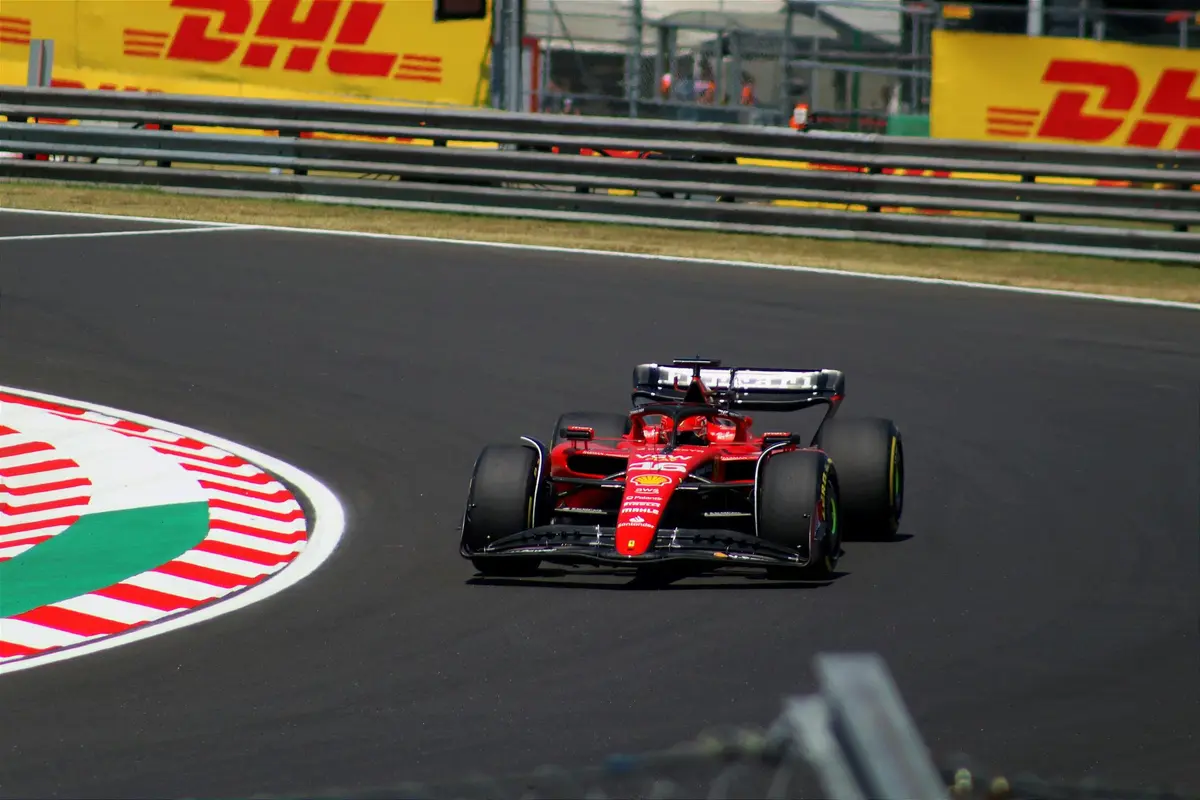
Introduction: Hamilton Embraces the Rising Sun with Ferrari F1
As the 2026 Formula 1 season gathers momentum, the paddock has arrived in Suzuka for the Japanese Grand Prix. Amidst the high-stakes technical transition of the new era, seven-time World Champion Lewis Hamilton has captured the attention of the global fanbase. Currently representing Ferrari F1, Hamilton has shared a series of pictures and video clips documenting what he describes as an "astonishing experience" during his time in Japan this week. This glimpse into Hamilton’s life off-track comes at a pivotal moment for the Scuderia, as they look to solidify their standing in a season defined by radical technical shifts and intense intra-team competition.
Detailed Analysis: The Psychological and Technical Edge
The Lewis Hamilton Japan narrative is more than just a social media highlight reel; it is a testament to the driver's mental state as he navigates his first season in scarlet. Historically, Hamilton has performed at his peak when he is culturally engaged and mentally refreshed. By immersing himself in the unique atmosphere of Japan, Hamilton is signaling a level of comfort and confidence that should worry his rivals. For Ferrari F1, a relaxed yet focused Hamilton is a lethal asset, especially on a technical circuit like Suzuka which demands precision and bravery.
From a technical perspective, the 2026 cars present a unique challenge at Suzuka. The introduction of Active Aero—a system where front and rear wings adjust dynamically to balance drag and downforce—means that driver feedback is more critical than ever. Hamilton’s vast experience is essential for Ferrari as they calibrate their power unit’s energy deployment. In 2026, the Manual Override (a driver-triggered ERS boost designed to aid overtaking) will be a key factor through the Casio Triangle and down the start-finish straight. Hamilton’s ability to manage these complex systems while maintaining a high baseline of performance is what Ferrari invested in when they signed the Briton to partner Charles Leclerc.
Furthermore, the "astonishing experience" Hamilton shared likely involves the deep-rooted automotive culture of Japan, which resonates with his own interests in design and performance. This synergy between driver and environment often translates into on-track performance. As Ferrari battles the likes of Red Bull and a resurgent Mercedes, every percentage of mental preparation counts. The Lewis Hamilton Japan trip serves as a reset before the grueling demands of the Grand Prix weekend take over.
Context: Ferrari F1 in the 2026 Narrative
The 2026 season is a clean slate for the grid, and Ferrari has emerged as a frontrunner under the leadership of Frédéric Vasseur. The pairing of Hamilton and Leclerc is arguably the strongest on the grid, but it brings its own set of pressures. While Max Verstappen continues to lead the charge for Red Bull alongside Isack Hadjar, Ferrari must ensure that their internal dynamics remain productive. Hamilton’s positive engagement in Japan suggests that the transition to the Maranello-based squad has been seamless, allowing him to focus on extracting performance from the SF-26.
The Japanese Grand Prix is often a litmus test for aerodynamic efficiency. With the 2026 regulations emphasizing a 50/50 split between internal combustion and electrical power, the energy recovery systems will be pushed to their limits through the Esses and the 130R. Ferrari’s power unit has shown great promise in the opening rounds, and Hamilton’s presence in Japan early in the week indicates a proactive approach to the weekend’s challenges.
Key Takeaways
- Lewis Hamilton Japan: The driver’s positive mental state and cultural engagement in Japan suggest he is well-prepared for the rigors of the Suzuka circuit.
- Ferrari F1 Strategy: The team is leaning on Hamilton’s experience to master the 2026 technical regulations, specifically the integration of Active Aero and Manual Override systems.
- Championship Implications: A strong performance in Japan could propel Ferrari ahead in the Constructors' Championship, challenging the early-season dominance of Red Bull.
- Driver Synergy: Hamilton’s integration into Ferrari appears successful, with his off-track activities reflecting a driver who is both motivated and at ease with his new surroundings.
Frequently Asked Questions
How has Lewis Hamilton adapted to the Ferrari F1 team in 2026?
Lewis Hamilton has adapted remarkably well, utilizing his extensive experience to help Ferrari navigate the 2026 technical regulations. His collaboration with Charles Leclerc has been professional, focusing on car development and maximizing the potential of the new power units.
What technical challenges does Ferrari F1 face at the Japanese Grand Prix?
The primary challenges include optimizing the Active Aero for Suzuka's high-speed corners and managing the Manual Override energy deployment to ensure competitive straight-line speed without compromising battery life over a full lap.
Conclusion: Looking Ahead to the Japanese Grand Prix
As the lights go out this weekend, all eyes will be on the scarlet cars. The Lewis Hamilton Japan experience has set a positive tone for the team, but the true test lies in the high-speed sweeps of Suzuka. Ferrari F1 has the tools, the talent, and the technical package to contend for the win. If Hamilton can translate his "astonishing" pre-race experiences into a clinical performance on Sunday, it will send a clear message to the rest of the field: the Hamilton-Ferrari era is not just a marketing masterstroke, but a championship-winning reality. The 2026 season is only just beginning, and Japan may well be the turning point for the Scuderia.