Lewis Hamilton Admits Loneliness Behind F1 Success
Seven-time F1 World Champion Lewis Hamilton has admitted to experiencing loneliness throughout his storied career, offering a rare and candid reflection on the human cost of elite success.
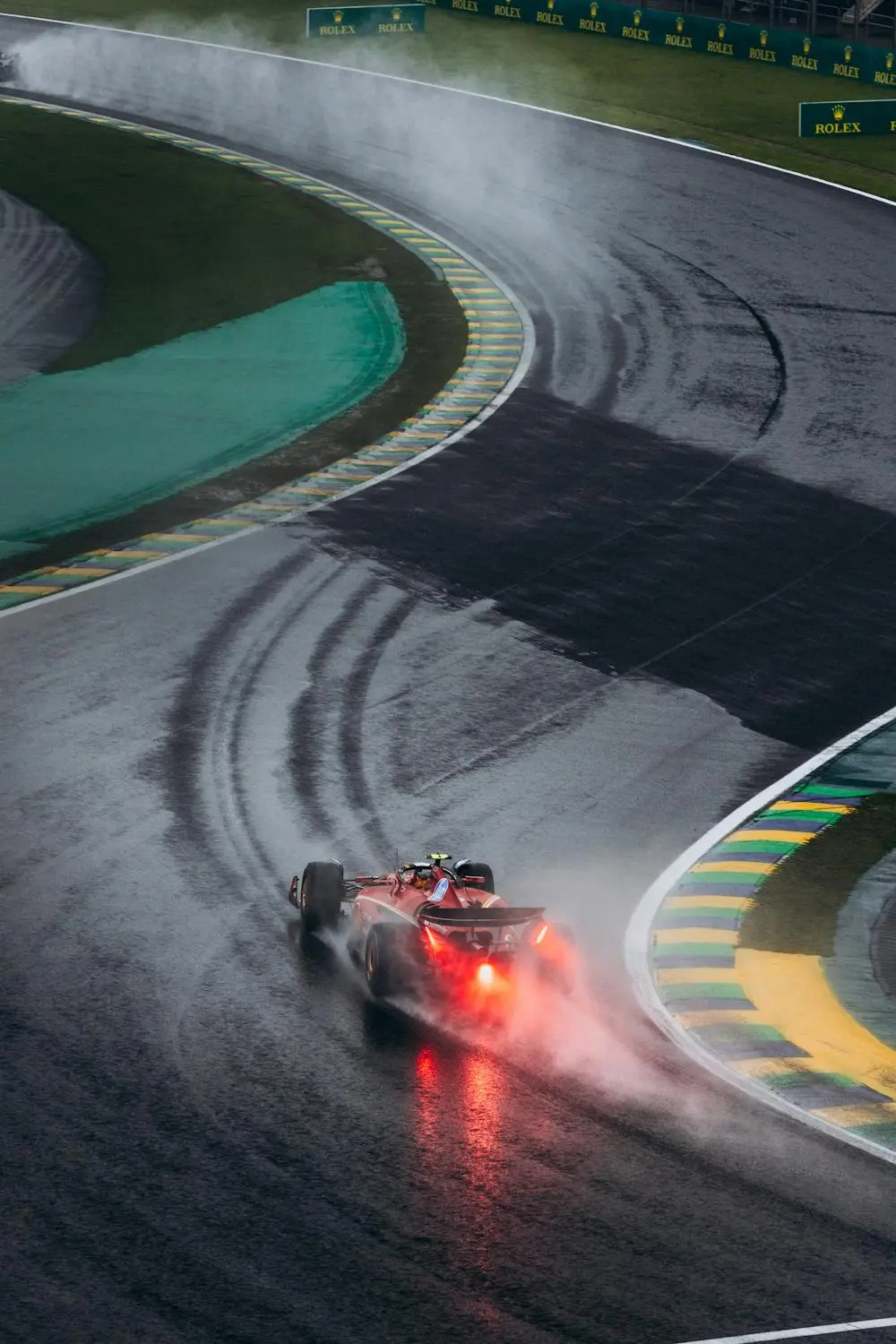
Lewis Hamilton, the seven-time Formula 1 World Champion widely regarded as the greatest driver in the sport's history, has made a candid and deeply personal admission: despite the extraordinary success he has accumulated across more than two decades at the pinnacle of motorsport, he has experienced profound loneliness throughout his career. The revelation, shared publicly and reported by GPfans.com, offers a rare and humanising window into the psychological cost of elite sporting achievement — and resonates powerfully as Hamilton enters his second season with Ferrari in 2026.
Hamilton's Admission: The Loneliness Behind the Glory
It is easy to look at Lewis Hamilton's career from the outside and see only the trophies, the records, and the global celebrity. Seven World Championships. The most race wins in Formula 1 history. A cultural icon who transcended motorsport to become a fashion figure, activist, and philanthropist. And yet, in a moment of striking vulnerability, Hamilton has acknowledged that loneliness has been a recurring presence in his life, even as the victories piled up.
This kind of admission is rare from elite athletes at Hamilton's level, where the pressure to project strength, confidence, and invincibility is immense. The fact that Hamilton has chosen to speak openly about his emotional experience reflects both his personal growth and a broader cultural shift in professional sport, where conversations about mental health and well-being are increasingly accepted and encouraged.
For Hamilton, the loneliness likely stems from multiple sources that are familiar to anyone who has sat at the very top of a brutally competitive field. The relentless travel schedule of the F1 calendar — upwards of 24 race weekends per year across multiple continents — can isolate even the most socially connected individuals. The demands of elite performance create barriers between athletes and their personal relationships. And the higher you climb, the smaller the circle of people who can truly understand what you are experiencing.
The Psychological Reality of Elite F1 Competition
Formula 1 in 2026 is a sport that demands total commitment. With the sweeping new technical regulations that have reshaped the competitive order this season — including the introduction of active aerodynamics and the overtake boost system — drivers are navigating one of the most technically complex cars in the sport's history. The cognitive and physical demands are extraordinary, and the environment at the front of the grid can be an intensely solitary one.
Hamilton's transition to Ferrari, which began with the 2025 season and continues now into his second year with the Scuderia, has itself been a journey that required enormous personal resilience. Leaving Mercedes, the team with which he won six of his seven championships and where he spent over a decade, was a seismic decision. Building new relationships, learning a new technical culture, and adapting to a different car philosophy while maintaining championship-level performance is a challenge that few drivers in history have faced at such a late stage of their career.
In that context, Hamilton's reflection on loneliness takes on additional layers of meaning. The isolation of being a pioneer — the first Black driver to compete in Formula 1, a champion who has used his platform to advocate for diversity and inclusion in a sport that has historically lacked it — adds yet another dimension to his experience that few teammates or rivals could fully share.
Why This Matters Beyond the Headlines
Hamilton's willingness to speak openly about loneliness is significant not just as a personal story, but as a contribution to the wider conversation about athlete mental health. In a sport where drivers are expected to be machine-like in their precision and composure, acknowledging human vulnerability carries real weight. It signals to young drivers coming through the ranks — including 2026 rookies and developing talents across the feeder series — that it is possible to be both supremely successful and emotionally honest.
It also matters for the millions of fans who follow Formula 1 around the world. Hamilton has always been a driver who inspired people far beyond the confines of the paddock. His admission that success does not immunise you against loneliness is a universally relatable truth that deepens the connection between the champion and his audience.
Key Takeaways
- Lewis Hamilton, seven-time F1 World Champion, has publicly admitted to experiencing loneliness throughout his career despite his success.
- The admission represents a rare moment of personal vulnerability from one of sport's most decorated athletes.
- Hamilton is currently in his second season at Ferrari in 2026, having made the high-profile switch from Mercedes ahead of the 2025 season.
- The psychological demands of elite F1 competition, combined with the unique pressures Hamilton has faced as a barrier-breaking figure in the sport, provide important context for his reflection.
- Hamilton's openness about mental and emotional challenges reflects a broader cultural shift in professional sport toward more honest conversations about well-being.
Frequently Asked Questions
What did Lewis Hamilton say about loneliness in F1?
Lewis Hamilton admitted that even though he has thoroughly enjoyed the success he has achieved across his Formula 1 career, including his seven World Championships, he has still experienced loneliness during that journey. The admission was reported by GPfans.com and represents an unusually candid reflection from the sport's most decorated champion.
Is Lewis Hamilton still competing in Formula 1 in 2026?
Yes. Lewis Hamilton is currently competing in the 2026 Formula 1 season as a driver for Ferrari. This is his second year with the Scuderia, having made the move from Mercedes ahead of the 2025 season.
Why is Hamilton's admission about loneliness significant for Formula 1?
In a sport where athletes are routinely expected to project strength and invincibility, Hamilton's candid acknowledgement that loneliness has been part of his experience humanises one of the most iconic figures in motorsport history. It contributes to a growing conversation around mental health in elite sport and sends an important message to fans and young drivers alike that emotional vulnerability and extraordinary achievement are not mutually exclusive.
Conclusion
Lewis Hamilton's admission that loneliness has accompanied his remarkable career is a powerful reminder that human experience does not pause at the podium. As he continues his journey with Ferrari in the 2026 Formula 1 season — navigating a transformed technical landscape and writing new chapters in an already legendary story — this moment of reflection adds depth and authenticity to one of sport's most compelling figures. Hamilton's legacy was always going to be measured in championships; moments like this ensure it will also be measured in character.
In this article