Ferrari Suzuka Qualifying: Leclerc Predicts Better Racing
Charles Leclerc analyzes why Ferrari Suzuka Qualifying in 2026 feels different and why it's good news for the Japanese Grand Prix racing action.
The Evolution of Performance at the Japanese Grand Prix
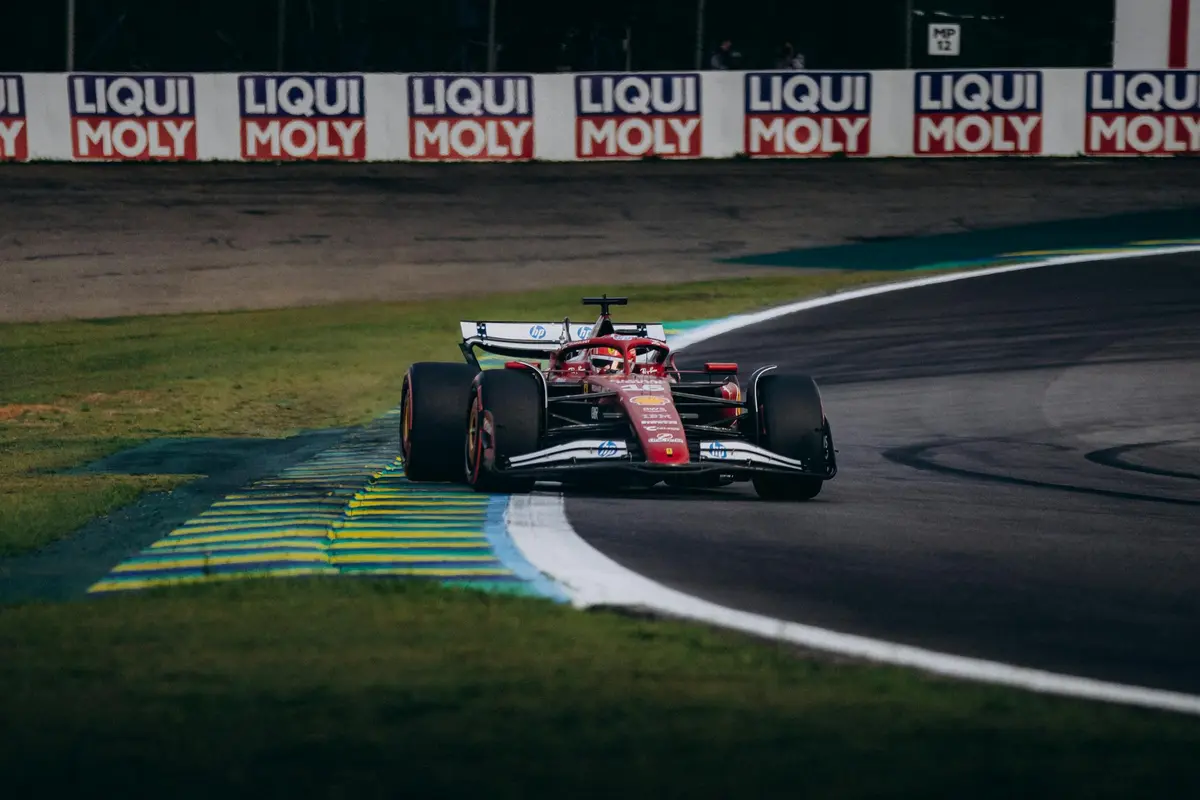
As the Formula 1 circus arrives at the iconic Suzuka International Racing Course, the narrative surrounding the 2026 season has taken a fascinating turn. Ferrari’s Charles Leclerc has provided a sobering yet optimistic assessment of what fans should expect from the upcoming sessions. According to the Monegasque driver, the sensation of a Ferrari Suzuka Qualifying lap may feel "a little bit less exciting" than in previous years, but he insists this is a necessary trade-off for the health of the Sunday spectacle. As we dive into the technicalities of the 2026 regulations, it becomes clear that the Scuderia is prioritizing raceability over the raw, neck-snapping peak forces that once defined Saturday afternoons in Japan.
Technical Analysis: Why Qualifying Dynamics Have Shifted
The 2026 technical regulations have introduced a radical shift in how power is delivered and how aerodynamics are managed. With the 50/50 split between internal combustion and electrical power, energy management has become the primary differentiator. In previous eras, a qualifying lap was a flat-out sprint where energy harvesting was secondary to immediate deployment. However, the nuances of Ferrari Suzuka Qualifying are becoming more complex due to the way the new Power Units (PUs) interact with the circuit's unique layout.
Leclerc’s comment about the laps being "less exciting" likely refers to the implementation of Active Aero—a system of movable wing elements designed to reduce drag on straights and increase downforce in corners. While this makes the cars more efficient, it can lead to a more "clinical" driving experience. In the high-speed Esses of the first sector, the transition between Z-Mode (high downforce) and X-Mode (low drag) must be seamless. If the car feels less "on the edge" during a single lap, it is because the 2026 aero philosophy focuses on a stable platform that minimizes the aerodynamic wake left for following cars.
Furthermore, the impact of the 2026 regulations on Ferrari Suzuka Qualifying cannot be discussed without mentioning the Manual Override—an ERS boost available to drivers to aid overtaking. While this is primarily a race-day tool, the way drivers harvest energy during a qualifying flyer to ensure they don't "derate" (run out of electrical boost) before the end of the long run from 130R to the finish line has changed the rhythm of the lap. The cars are heavier and the power delivery is more calculated, which may take away some of the visceral "dartiness" Leclerc enjoyed in the 2024 or 2025 machinery.
The 2026 Narrative: Ferrari’s Strategic Pivot
For Ferrari, the 2026 season represents a critical juncture. With the legendary Lewis Hamilton now embedded in the team alongside Leclerc, the internal dynamics are as high-stakes as the technical development. While preparing for Ferrari Suzuka Qualifying, the team is acutely aware that their SF-26 challenger must be a versatile weapon. The Japanese Grand Prix has historically been a circuit that rewards aerodynamic efficiency and tire preservation, two areas where Ferrari has made significant strides under Frédéric Vasseur’s leadership.
Leclerc’s assertion that the changes will "come to the benefit of the racing" suggests that Ferrari has found a setup window that allows them to follow other cars closely through the turbulent air of the Degner curves and the Spoon Curve. In the 2026 context, being the fastest on Saturday is no longer a guarantee of Sunday success if the car cannot maintain its pace in the dirty air of a rival. By acknowledging that the qualifying thrill has been slightly dampened, Leclerc is signaling that the Scuderia is focused on the bigger picture: the World Constructors' Championship battle against the likes of Red Bull and McLaren.
Key Takeaways for the Japanese Grand Prix
- Qualifying Sensation: Drivers are experiencing a more controlled, less erratic lap due to Active Aero transitions and energy management requirements.
- Raceability Focus: The 2026 aero regulations are successfully reducing the "dirty air" effect, which Leclerc believes will lead to more overtaking at Suzuka.
- Ferrari Strategy: Beyond the single-lap pace of Ferrari Suzuka Qualifying, the focus is on maximizing the Manual Override and tire longevity for the full race distance.
- Driver Adaptation: Both Leclerc and Hamilton are having to recalibrate their driving styles to handle the 50/50 power split and the heavier 2026 chassis.
Frequently Asked Questions
How is Ferrari F1 adapting to the 2026 Power Unit regulations at Suzuka?
Ferrari has focused heavily on the integration of the 350kW electrical system to ensure consistent power delivery through Suzuka's long high-speed sections. The team is using advanced simulation to balance energy harvesting in the heavy braking zones like the Casio Triangle with the need for deployment through the uphill climb of the Esses.
What does Charles Leclerc mean by "less exciting" qualifying laps?
Leclerc is referring to the more regulated and automated nature of the 2026 cars. With Active Aero (Z-Mode and X-Mode) and the need to manage a larger electrical battery, the cars may feel less like raw, analog machines and more like highly optimized digital platforms, which can reduce the perceived "danger" or "excitement" for the driver during a single-lap push.
Will Lewis Hamilton’s experience help Ferrari in the 2026 Japanese Grand Prix?
Absolutely. Hamilton’s vast experience with different regulatory eras allows him to provide invaluable feedback on tire management and race craft. His ability to optimize the car's performance in race trim aligns perfectly with Leclerc’s prediction that the 2026 cars will shine more during the Grand Prix than in qualifying.
Conclusion: A New Era for the Japanese Grand Prix
While the purists might mourn the loss of the absolute, unbridled qualifying speeds of yesteryear, the 2026 Japanese Grand Prix promises to deliver a more competitive and strategic race. Charles Leclerc’s comments highlight a shift in the sport's DNA—moving away from qualifying-centric weekends toward a format that rewards race-long intelligence and technical adaptability. As we head into the Ferrari Suzuka Qualifying session, all eyes will be on the timing screens, but the real story will be written on Sunday. If the new regulations deliver the close-quarters combat Leclerc expects, the trade-off will have been well worth it for the fans and the Scuderia alike.