Ferrari F1 Performance: Leclerc Chases Mercedes at Suzuka
Charles Leclerc heads to Suzuka with two podiums, but Ferrari F1 performance still trails Mercedes. Can the Scuderia close the gap at the Japanese GP?
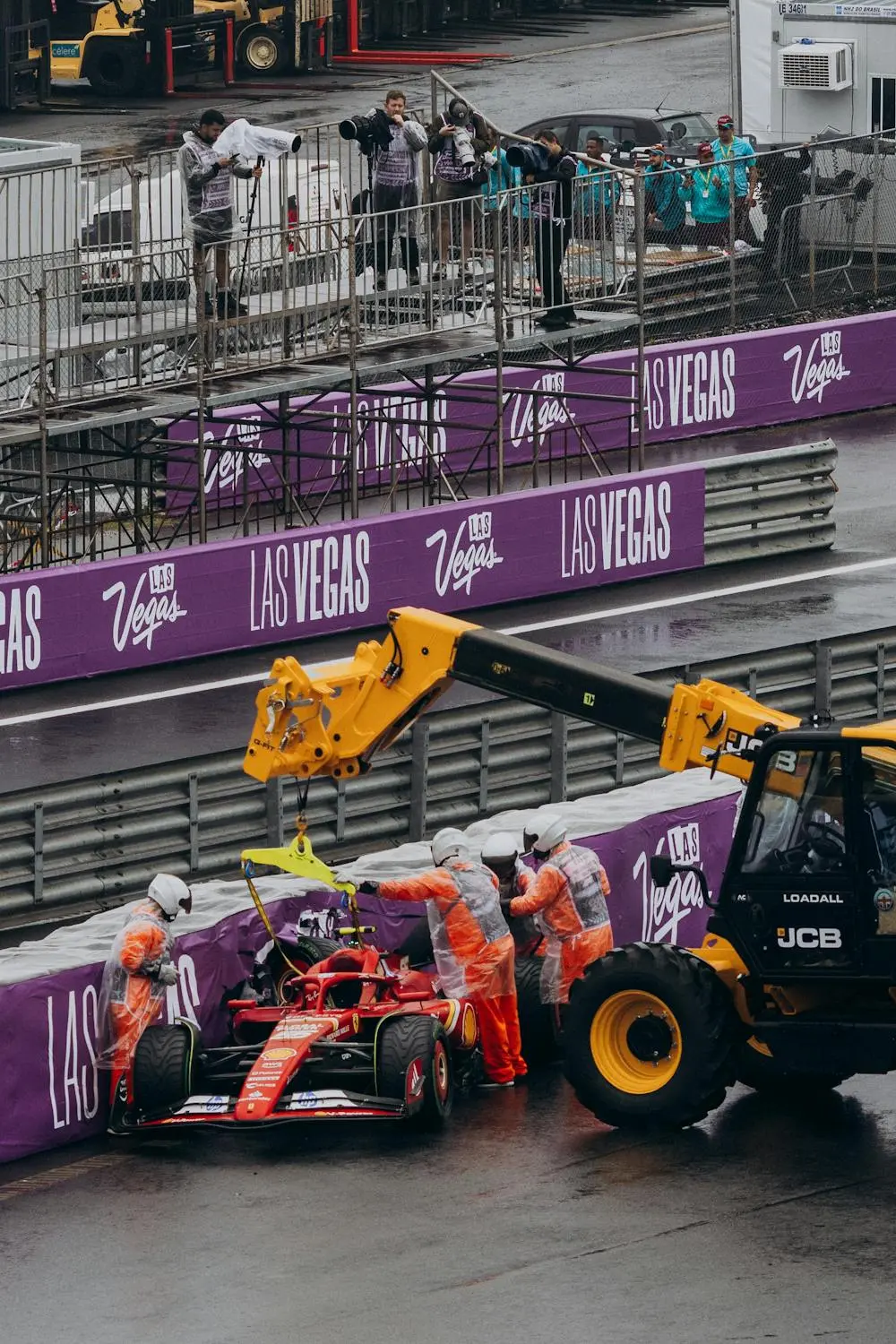
The Scuderia’s Strong Start: Analyzing Ferrari F1 Performance
As the Formula 1 circus descends upon the iconic Suzuka International Racing Course for the 2026 Japanese Grand Prix, the paddock's gaze is firmly fixed on the evolving Ferrari F1 performance. Charles Leclerc arrives in Japan carrying the momentum of two consecutive podium finishes from the opening two rounds of this new era. While a double-podium start is statistically impressive, the internal mood at Maranello remains one of cautious determination. The SF-26 has proven itself to be a formidable contender, yet it currently finds itself in the familiar position of the hunter rather than the hunted, as Mercedes has established itself as the early-season benchmark.
Leclerc’s Consistency and the Mercedes Benchmark
The 2026 season represents the most significant technical shift in a generation, and Charles Leclerc has adapted with characteristic precision. His ability to extract maximum performance from the new power units—which now feature a 50/50 split between internal combustion and electrical power—has been the cornerstone of Ferrari's early success. However, the Ferrari F1 performance data suggests that while the Scuderia is competitive in high-speed traction, they are still losing marginal gains to the Mercedes W17 in terms of energy deployment efficiency. At the opening rounds, George Russell and Andrea Kimi Antonelli demonstrated a superior ability to manage the 'Manual Override'—a driver-triggered power boost available when within a certain distance of the car ahead—allowing them to maintain track position more effectively than the Ferrari pair.
Technical Director Loic Serra and the engineering team at Maranello have been working tirelessly to refine the SF-26’s Active Aero systems. In the 2026 regulations, Active Aero refers to movable aerodynamic components on the front and rear wings that switch between high-downforce and low-drag configurations to optimize efficiency. Suzuka, with its relentless sequence of high-speed corners like the 'S' Curves and 130R, will provide the ultimate litmus test for Ferrari’s aerodynamic stability. If Ferrari can bridge the gap in aerodynamic switching speeds, Leclerc may finally have the tools to challenge Mercedes for the top step of the podium.
The 2026 Narrative: A Three-Way Fight?
The context of the 2026 season is defined by the convergence of new manufacturers and legendary rivalries. While Mercedes leads the way, the Ferrari F1 performance is being closely monitored by the likes of Red Bull and the newly entered Audi and Cadillac programs. For Ferrari, the pressure is compounded by the presence of Lewis Hamilton in the sister car. While Leclerc has secured the podiums so far, the intra-team dynamic is a simmering subplot that adds another layer of complexity to Ferrari’s strategy. The team must balance the development path to suit both drivers while simultaneously chasing the technical innovations that Mercedes has brought to the fore.
Suzuka is a driver’s track, but in 2026, it is also an energy management track. The long run from Spoon Curve through 130R to the Casio Triangle requires a sophisticated deployment strategy of the Boost Button—the interface for deploying the increased electrical output of the 2026 power units. Ferrari’s telemetry from the first two rounds indicates they are strong in short bursts but may suffer from 'clipping' (running out of electrical energy) at the end of long straights compared to the Mercedes-powered cars. Improving this recovery and deployment cycle is critical for their Japanese Grand Prix prospects.
Key Takeaways for the Japanese Grand Prix
- Podium Momentum: Charles Leclerc enters Suzuka with a 100% podium record in 2026, establishing himself as the primary challenger to the Mercedes dominance.
- Technical Gap: Ferrari is currently chasing Mercedes in energy deployment efficiency and Active Aero transition speeds.
- Suzuka Demands: The Japanese circuit will test the SF-26’s high-speed balance and its ability to manage the 50/50 power split over a full race distance.
- Championship Implications: A strong result in Japan is vital for Ferrari to prevent Mercedes from building an early, insurmountable lead in the Constructors' Championship.
Frequently Asked Questions
How has Ferrari F1 performance compared to Mercedes in the 2026 season so far?
While Ferrari has secured two podiums through Charles Leclerc, they currently trail Mercedes in overall race pace. Mercedes has shown a slight advantage in electrical energy recovery and the seamless integration of Active Aero components, which has allowed them to set the benchmark in the opening two rounds.
What technical challenges does Ferrari face at the Japanese Grand Prix?
The primary challenge for Ferrari at Suzuka is optimizing the SF-26 for the high-speed 'S' Curves while ensuring they don't suffer from energy 'clipping' on the long run to 130R. Managing the 2026 power unit's 500kW electrical output is essential for maintaining a competitive top speed against Mercedes.
Is Charles Leclerc the lead driver for Ferrari in 2026?
While Ferrari maintains equal status for both drivers, Charles Leclerc has had the stronger start to the 2026 season with two podiums. However, with Lewis Hamilton in the other seat, the internal competition remains high as both drivers push to improve the overall Ferrari F1 performance.
Conclusion
The Japanese Grand Prix at Suzuka represents a pivotal moment for the Scuderia. Two podiums have provided a solid foundation, but the Ferrari F1 performance must take a step forward if they are to disrupt the Mercedes stronghold. With the technical complexities of the 2026 regulations still being mastered, the development race is as intense as the action on track. As Charles Leclerc prepares to tackle the figure-eight circuit, the goal is clear: move beyond the podium and secure Ferrari’s first victory of this ambitious new era. All eyes will be on the timing screens this weekend to see if Maranello has found the silver bullet to stop the Silver Arrows.