Ferrari Huge Gains: Leclerc's 2026 Title Charge Begins
Charles Leclerc insists Ferrari huge gains are within reach across all areas of their 2026 car — but can they finally stop Mercedes' winning streak?
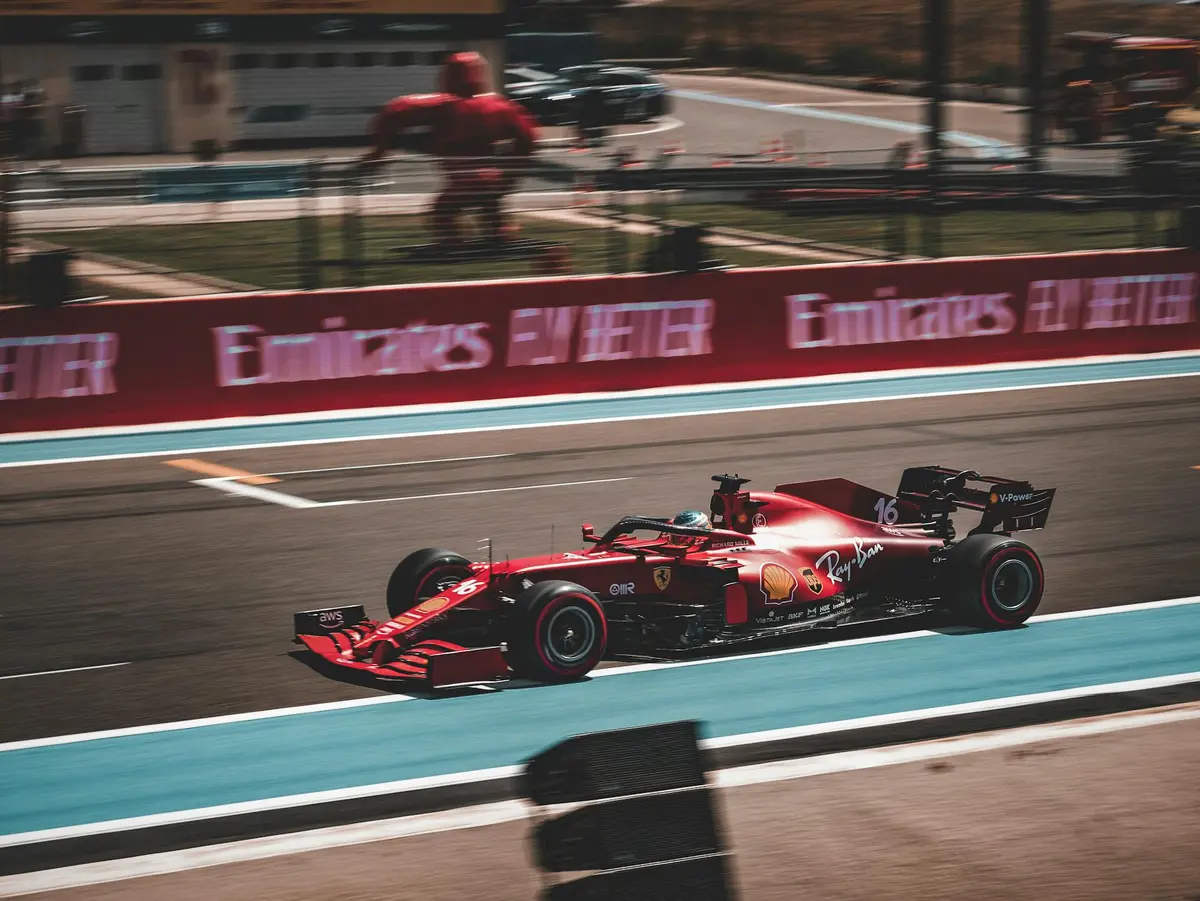
Ferrari's Leclerc Believes Massive Improvements Are Coming in 2026
The 2026 Formula 1 season has opened with Mercedes in dominant form, securing victories in each of the opening three grands prix. Yet Ferrari — represented by Charles Leclerc and Lewis Hamilton — has emerged as the Silver Arrows' most credible challenger, consistently locking out the front row. Despite this promising pace, the Scuderia has been unable to convert that raw speed into race wins. Now, Leclerc is sounding an optimistic and determined note: he believes Ferrari huge gains are within reach across every single compartment of their package, from the power unit through to tyre management.
Detailed Analysis: Where Can Ferrari Find Its Gains?
Power Unit Development
In the 2026 Formula 1 regulations era, power unit architecture has been fundamentally restructured, with a massively increased role for the electrical deployment system alongside a downsized internal combustion component. For Ferrari — who supply their own power unit — any step forward in energy harvesting efficiency or combustion performance could be immediately transformative. Leclerc specifically cited the power unit as one of the compartments where Ferrari huge gains are available, suggesting that Maranello's engineers have identified clear development pathways that haven't yet been unlocked. Even a modest improvement in PU output or deployment strategy could tilt qualifying pace decisively in their favour over a Mercedes unit that has, so far, edged them out when it matters most.
Chassis and Aerodynamics
The 2026 aerodynamic regulations introduced a radical Active Aero framework — a system where bodywork elements automatically adjust their angle and configuration at speed to optimise both drag reduction on straights and downforce in corners — making chassis efficiency more complex and nuanced than ever before. Leclerc's belief that aerodynamic gains remain on the table is significant. It implies the Ferrari SF-26 has not yet reached its aerodynamic ceiling, and that the team's correlation between wind tunnel data and real-world track performance may still be improving. With front-row lockouts already in their pocket, unlocking further aero efficiency could push Ferrari from perennial qualifying front-runners to genuine race-day threats.
Tyre Management: The Race Day Differentiator
Perhaps the most telling aspect of Leclerc's assessment is his mention of tyre management as an area of potential gain. In modern Formula 1, tyre degradation and management strategy often separates the true championship contenders from the nearly-men. Ferrari's front-row presence suggests raw pace, but if the SF-26 has been struggling to preserve tyre life over a race stint — allowing Mercedes to manage a gap or undercut strategically — then gains in this area could be the most decisive of all. Tyre management relates directly to the car's mechanical balance, suspension setup, and the thermal load the aero package places on each corner of the car. All three are areas where Ferrari are clearly motivated to progress.
Context: How This Fits the 2026 Season Narrative
The 2026 season has rapidly established itself as a fascinating duel, with Mercedes — fielding George Russell and rookie Andrea Kimi Antonelli — asserting early dominance reminiscent of the Silver Arrows' previous championship eras. Ferrari, with the formidable pairing of Leclerc and seven-time champion Lewis Hamilton — who joined the Scuderia ahead of this season — were widely expected to be title protagonists from the outset. The fact that they have already achieved front-row lockouts in the opening rounds confirms genuine speed exists within the SF-26. However, translating qualifying brilliance into race victories against a Mercedes team that appears to excel in race-pace management and strategic execution is a different challenge entirely. Leclerc's confidence that Ferrari huge gains remain unlocked suggests this battle is only beginning — and that the true Scuderia may not yet have been seen on any circuit in 2026.
Key Takeaways
- Multiple development vectors: Leclerc has identified the power unit, chassis, aerodynamics, and tyre management as areas where Ferrari still has meaningful performance headroom in 2026.
- Front-row pace confirmed: Ferrari has already demonstrated qualifying excellence with front-row lockouts in the opening rounds, proving the SF-26's fundamental speed is not in question.
- Race-day execution gap: Mercedes has won all three opening grands prix, suggesting Ferrari's current challenge is converting raw pace into strategic race-day dominance rather than finding outright speed.
- Hamilton factor: Lewis Hamilton's arrival at Ferrari brings unparalleled experience in championship-winning car development, which could accelerate the team's ability to identify and unlock these cited gains.
- Season still young: With only three races completed, the championship standings remain highly fluid, and Ferrari's development trajectory — if Leclerc's optimism is justified — could reshape the title fight rapidly.
Frequently Asked Questions
Where does Ferrari believe it can find the most performance gains on its 2026 F1 car?
According to Charles Leclerc, Ferrari believes significant performance gains are available across all four major areas of the SF-26: the power unit, chassis, aerodynamics, and tyre management. This comprehensive assessment suggests no single weak point, but rather a broad-front development push that could compound quickly as the season progresses.
Why has Ferrari failed to convert front-row lockouts into race wins in the 2026 F1 season?
While Ferrari has demonstrated strong qualifying pace — evidenced by front-row lockouts in the opening rounds — Mercedes has proven more effective in race conditions across the first three grands prix. This points to potential deficiencies in Ferrari's race-day tyre management, strategic execution, or power unit deployment over longer stints — all areas Leclerc has acknowledged need improvement.
How does Lewis Hamilton's arrival at Ferrari impact the team's 2026 development program?
Hamilton brings over two decades of elite F1 experience and seven world championships to Maranello, providing Ferrari's engineers with arguably the most experienced development driver in the sport's history. His ability to provide precise technical feedback — particularly on chassis balance, tyre behaviour, and power unit deployment — is expected to be invaluable as Ferrari seeks to close the gap to Mercedes and unlock the Ferrari huge gains Leclerc has referenced.
Conclusion: Can Ferrari Dethrone Mercedes in 2026?
The evidence from the opening three rounds of the 2026 Formula 1 season is clear: Ferrari has pace, ambition, and now a publicly stated belief from its lead driver that substantial performance improvements are still in the pipeline. Leclerc's measured confidence in Ferrari huge gains across the power unit, chassis, aero, and tyre management domains is not idle optimism — it is a development roadmap. If the Scuderia can begin converting that potential into race victories in the coming rounds, the 2026 championship could rapidly become one of the sport's great modern battles. The Silver Arrows have been warned.