F1 2026 Standings: Japanese Grand Prix Race Day Analysis
Analyze the latest F1 2026 standings after the Japanese Grand Prix. Discover how the new 2026 regulations and power units are shifting the championship battle.
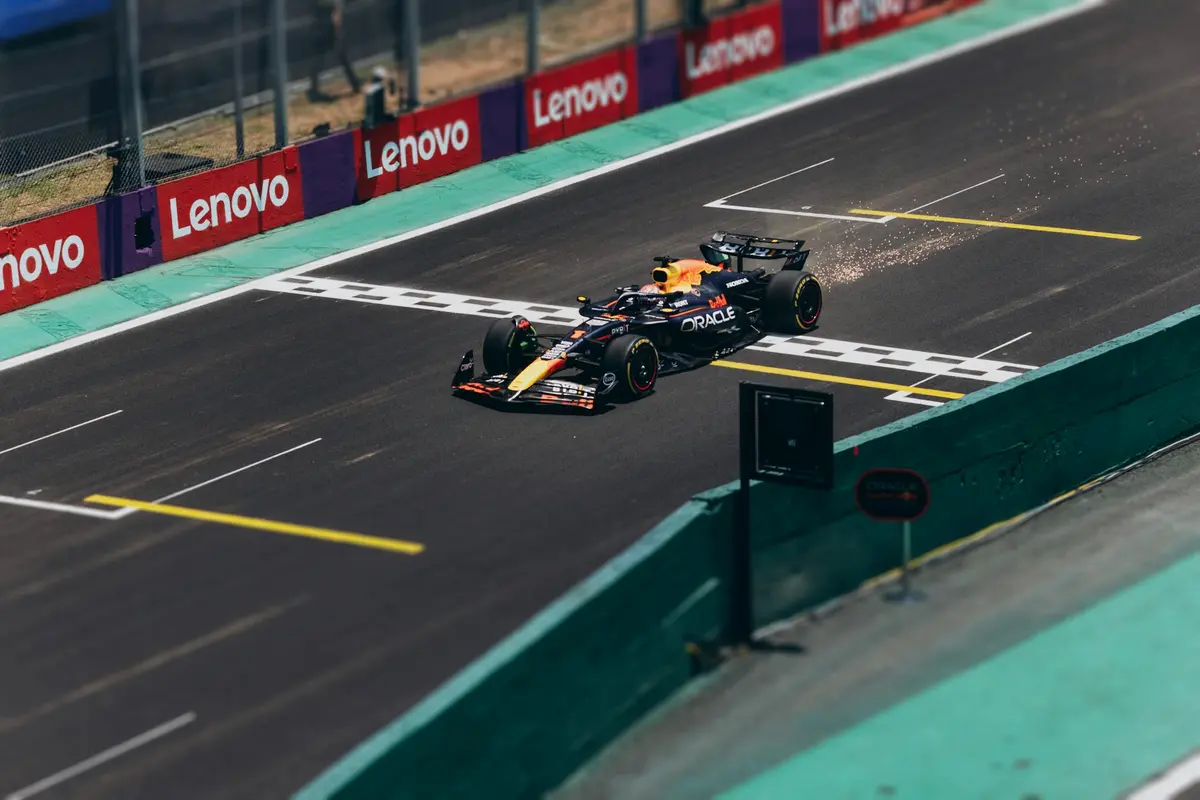
The New Era Takes Shape at Suzuka
Today, Sunday, March 29, 2026, marks a pivotal moment in the young season as the F1 2026 standings begin to crystallize following the conclusion of the Japanese Grand Prix. As the third round of this revolutionary world championship, Suzuka has provided the first true high-speed test for the new generation of power units and chassis. With the sport moving to a 50/50 power split between internal combustion and electrical energy, the hierarchy we saw in the opening rounds is being put to the ultimate stress test on one of the most demanding circuits in the world.
The atmosphere at Suzuka is electric, not just because of the fans, but because of the technical intrigue surrounding the 2026 regulations. We are seeing the first real divergence in philosophy between the established giants like Ferrari and McLaren, and the ambitious newcomers in Audi and Cadillac. As we look at the F1 2026 standings, it is clear that the learning curve for these new power units is steep, and the teams that have mastered the energy deployment strategies are the ones currently reaping the rewards in the points table.
Detailed Analysis: Technical Mastery and Driver Dynamics
The Japanese Grand Prix has highlighted the critical importance of the new "Active Aero" systems. In 2026, cars utilize movable front and rear wings to minimize drag on the straights while maximizing downforce in the corners. At a track like Suzuka, where the flow through the Esses and the commitment through 130R are paramount, the software calibration of these active elements has separated the front-runners from the midfield. McLaren, led by Andrea Stella, appears to have found a sweet spot with Lando Norris and Oscar Piastri, showing remarkable stability in high-speed transitions.
Furthermore, the "Manual Override" mode—a 2026 technical feature providing an extra electrical boost to the following car to aid overtaking—has fundamentally changed the racing dynamic at the Casio Triangle. We observed Lewis Hamilton, now in the scarlet of Ferrari, utilizing this boost with surgical precision to challenge Max Verstappen. The F1 2026 standings reflect this tactical shift; it is no longer just about raw pace, but about energy management and knowing exactly when to deploy the override to secure a position.
Red Bull’s transition has been one of the biggest talking points of the weekend. While Max Verstappen remains the benchmark, his new teammate Isack Hadjar is facing a baptism of fire at one of the calendar's most difficult tracks. Meanwhile, the Mercedes duo of George Russell and the sensational rookie Andrea Kimi Antonelli are proving that the Brackley-based squad has made significant gains with their 2026 power unit, particularly in terms of thermal efficiency and MGU-K recovery rates.
Context: The 2026 Championship Narrative
As we exit the third race of the season, the narrative of 2026 is becoming one of reliability versus innovation. The F1 2026 standings show a remarkably tight battle at the top, suggesting that the new regulations have succeeded in closing the field. Audi, under the leadership of Jonathan Wheatley, has already secured points with Nico Hülkenberg and Gabriel Bortoleto, proving that their entry was not merely a branding exercise but a serious technical endeavor. Similarly, Cadillac has shown flashes of brilliance with the veteran pairing of Sergio Pérez and Valtteri Bottas, though they seem to be struggling slightly with the weight distribution of their bespoke chassis.
The move to 100% sustainable fuels has also introduced a new variable. Engineers are reporting that fuel flow characteristics are impacting engine mapping more than anticipated, leading to some unexpected power drops during long stints. This was evident in the Alpine camp, where Pierre Gasly and Franco Colapinto had to manage their temperatures aggressively throughout the race. These nuances are what will define the championship battle as we head back to Europe in the coming weeks.
Key Takeaways from the Japanese Grand Prix
- Energy Management is King: The 2026 power units require a delicate balance between the ICE and the electrical systems; those who over-harvest early in the lap are losing out on the straights.
- Active Aero Reliability: Several teams experienced minor glitches with wing synchronization, proving that the 2026 aero packages are still in a refinement phase.
- The Rookie Factor: Drivers like Antonelli and Hadjar are adapting quickly, but the experience of veterans like Alonso and Hamilton is proving vital in managing the complex "Manual Override" strategies.
- Standings Volatility: With three different winners in the first three races, the 2026 season is shaping up to be the most unpredictable in a decade.
Frequently Asked Questions
How do the F1 2026 standings look after the Japanese Grand Prix?
The standings are currently led by a tight group including Max Verstappen, Lewis Hamilton, and Lando Norris. Because 2026 features entirely new technical regulations, the points gap between the top four teams is less than 15 points, making every race finish critical for the constructors' title.
What are the major technical changes affecting the F1 2026 standings?
The primary factors are the new 1,000hp power units with increased electrical output, the introduction of Active Aero, and the removal of DRS in favor of the Manual Override boost system. These changes have rewarded teams that prioritized energy recovery efficiency over pure peak horsepower.
Conclusion: Looking Ahead
As the dust settles on the Suzuka circuit, the F1 2026 standings tell a story of a sport in transition. We have seen that the 2026 regulations have not only changed the look of the cars but have fundamentally altered the way drivers approach a race weekend. The battle between Ferrari, McLaren, and Red Bull is intensifying, while the progress of Audi and Cadillac suggests that the traditional "Big Three" may soon become a "Big Five." With the next round approaching, teams will be rushing back to their simulators to analyze the data gathered in Japan, knowing that in this new era, standing still is the same as moving backward. The 2026 season is well under way, and the fight for supremacy has only just begun.