Japanese Grand Prix Results: FIA Confirms F1 2026 Round 3
The FIA has officially confirmed the Japanese Grand Prix results for Round 3 of the 2026 F1 season. Read our deep-dive analysis of the Suzuka standings.
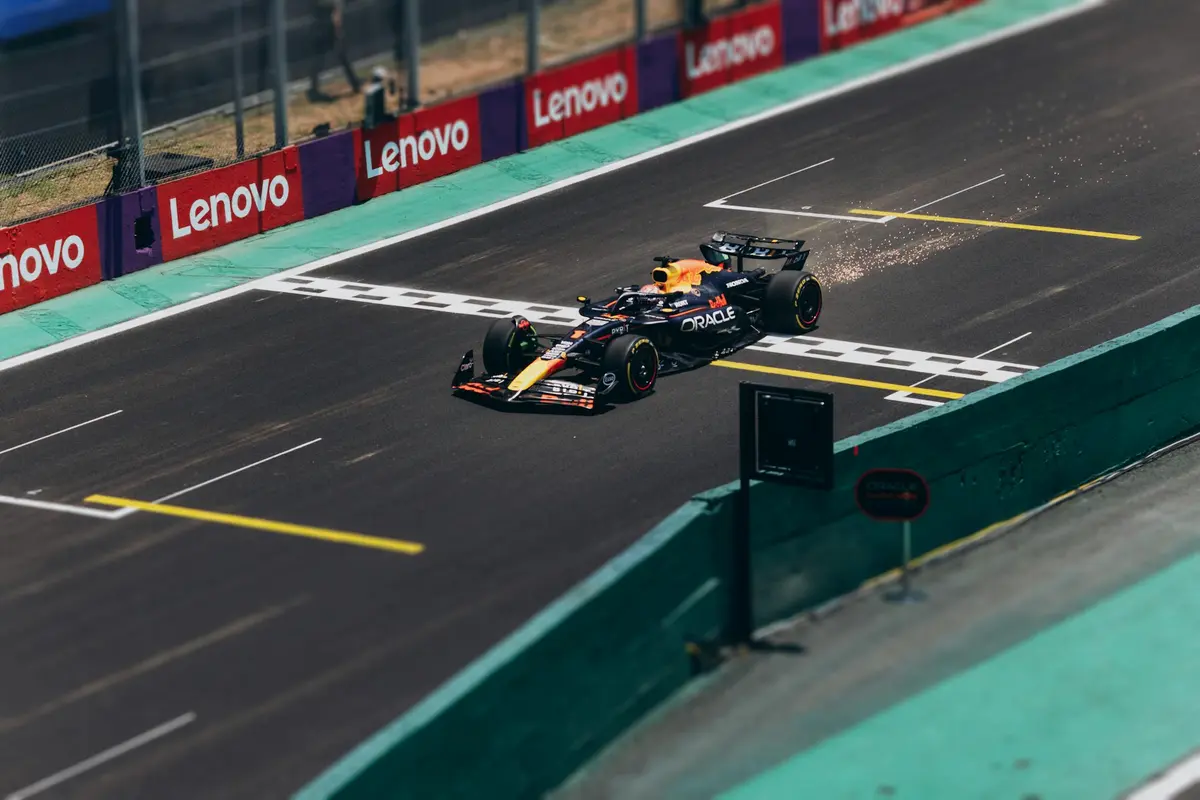
The FIA Finalizes the 2026 Japanese Grand Prix Results
The third round of the 2026 Formula 1 World Championship has reached its official conclusion at the iconic Suzuka International Racing Course. Following intense post-race technical inspections, the FIA has formally ratified the Japanese Grand Prix Results, providing a clear picture of the early-season hierarchy in this revolutionary new era of the sport. As the first Asian leg of the season concludes, the confirmation of these results marks a pivotal moment for teams like Ferrari, Red Bull, and the newly entered Audi and Cadillac programs, all of whom are grappling with the most significant technical overhaul in F1 history.
The 2026 season has introduced a radical shift in power unit philosophy and aerodynamics. With the Japanese Grand Prix Results now set in stone, the paddock can finally move past the speculative phase of the weekend and focus on the hard data. This year, the focus isn't just on who crossed the line first, but on how the cars managed the new 50/50 power split between the internal combustion engine and the 350kW electric motor. Suzuka, with its high-speed Esses and the demanding 130R, has proven to be the ultimate litmus test for the 2026 chassis and power unit integration.
Technical Scrutineering and the 2026 Regulations
The confirmation of the Japanese Grand Prix Results by the FIA is more than a mere formality in 2026. Under the current regulations, the technical delegate's report covers complex systems that were non-existent just a year ago. One of the primary areas of focus during the post-race checks at Suzuka was the legality of the Active Aero systems. Active Aero refers to the move-able front and rear wings that adjust dynamically to reduce drag on straights (X-mode) and maximize downforce in corners (Z-mode). Ensuring that these systems operated within the prescribed FIA software maps is critical to the final classification.
Furthermore, the FIA scrutinized the energy recovery and deployment strategies used throughout the 53 laps. In 2026, drivers have access to a "Manual Override" mode—a specific electrical boost available to the following driver to assist in overtaking when within a certain distance of the car ahead. The Japanese Grand Prix Results confirm that all top-ten finishers utilized this boost within the legal parameters, avoiding the post-race time penalties that many feared would shuffle the order after the checkered flag. For teams like McLaren and Mercedes, who have shown strong energy harvesting capabilities, this confirmation validates their current development path.
Championship Implications for the 2026 Grid
With Round 3 now officially in the books, the 2026 championship narrative is beginning to take a definitive shape. Max Verstappen and his new Red Bull teammate, Isack Hadjar, are facing stiff competition from the rejuvenated Ferrari pairing of Charles Leclerc and Lewis Hamilton. The confirmation of the Japanese Grand Prix Results shows that the gap between the top three teams is narrower than it has been in over a decade. The removal of the MGU-H (the motor generator unit that recovered energy from the turbocharger) has leveled the playing field in terms of thermal complexity, allowing manufacturers like Audi and Cadillac to remain competitive in their debut seasons.
Audi, led by Jonathan Wheatley and featuring the experienced Nico Hülkenberg alongside rookie Gabriel Bortoleto, has shown remarkable reliability through the first three rounds. Similarly, the Cadillac entry, powered by their own proprietary power unit and driven by veterans Sergio Pérez and Valtteri Bottas, has proven that they are not merely here to make up the numbers. The official results from Suzuka suggest that the midfield battle—featuring TGR Haas, Alpine, and Racing Bulls—is separated by less than three-tenths of a second per lap, making every FIA confirmation a high-stakes event for the constructors' standings.
Key Takeaways from Suzuka
- FIA Ratification: The official confirmation of the results ensures no pending technical protests regarding the new 2026 power units will alter the standings.
- Active Aero Performance: Suzuka's high-speed nature provided the first real-world validation of the X-mode and Z-mode transitions under race conditions.
- Energy Management: The 50/50 power split is rewarding drivers who can effectively manage the 350kW electrical deployment without "derating" on the long straights.
- Rookie Watch: The results highlight the rapid adaptation of 2026 rookies like Arvid Lindblad and Andrea Kimi Antonelli to the complex Manual Override systems.
Frequently Asked Questions
How do the 2026 technical regulations affect the Japanese Grand Prix results?
The 2026 regulations introduce active aerodynamics and a higher reliance on electrical power. The results at Suzuka are heavily influenced by how teams manage the transition between high-downforce and low-drag modes, as well as the strategic use of the Manual Override boost button for overtaking.
Why is the FIA confirmation of the F1 2026 results taking longer this season?
The post-race scrutineering process is more complex in 2026 due to the need to verify the software logic of the Active Aero systems and the precise energy flow of the 350kW MGU-K. The FIA must ensure no team is bypassing the energy flow meters to gain an illegal power advantage.
Conclusion
The official confirmation of the Japanese Grand Prix Results brings a sense of closure to a weekend defined by technical intrigue and high-speed drama. As the F1 circus prepares to leave Japan, the data gathered at Suzuka will be invaluable for the upcoming rounds. With the 2026 power unit hierarchy becoming clearer, the focus now shifts to the European leg of the season, where major aerodynamic upgrades are expected. For now, the standings are official, and the battle for the 2026 World Championship is well and truly joined. The next stop on the calendar will test whether the current leaders can maintain their advantage as the development race intensifies.