F1 2026 Japanese Grand Prix Qualifying Results and Grid
The starting grid for the F1 2026 Japanese Grand Prix is confirmed after a thrilling qualifying session at the iconic Suzuka International Circuit.
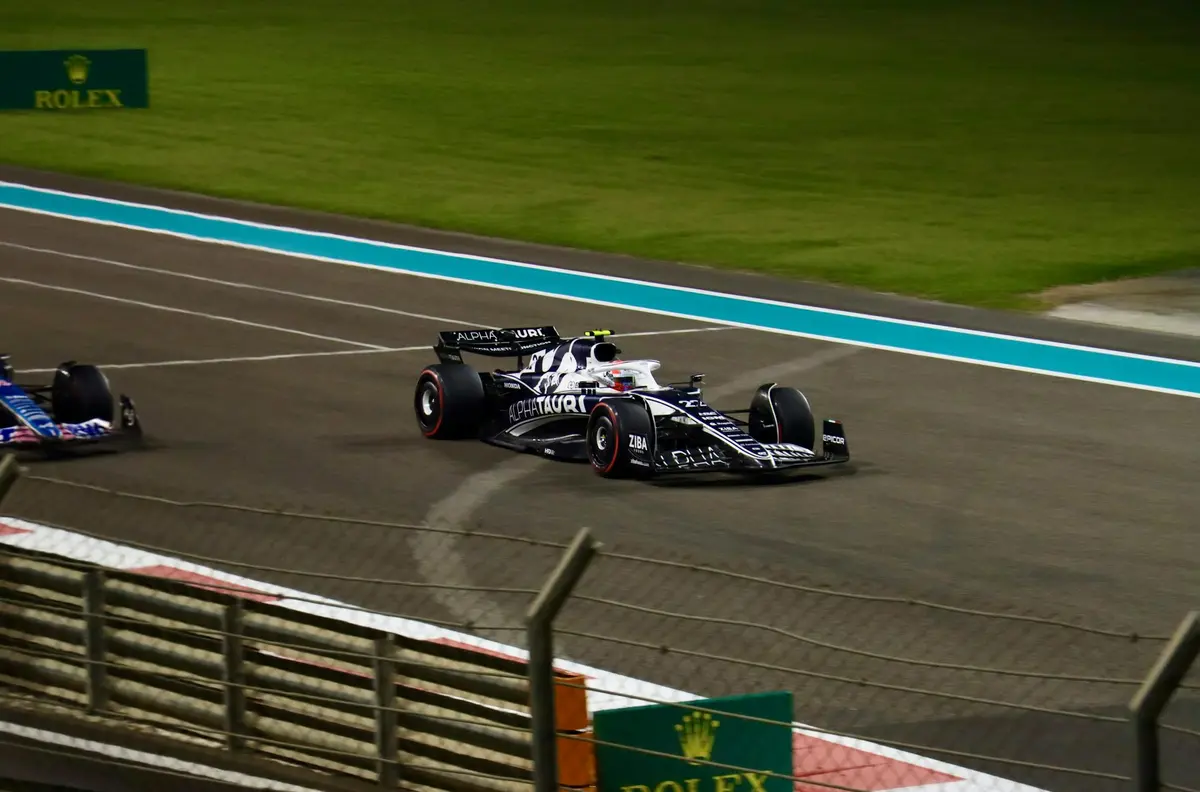
The Grid Takes Shape at Suzuka for the F1 2026 Japanese Grand Prix
The atmosphere at the Suzuka International Circuit was nothing short of electric this Saturday, March 28, 2026, as the F1 2026 Japanese Grand Prix qualifying session concluded. As the first true high-speed test of the 2026 technical regulations, Suzuka has provided a definitive look at the pecking order for this new era of Formula 1. With the starting grid now finalized, the stage is set for a tactical masterclass on Sunday. The session was a grueling test of both driver skill and energy management, highlighting the stark differences between the previous generation of cars and the current 2026 specifications.
Technical Analysis: Mastering the 2026 Regulations at Suzuka
Qualifying for the F1 2026 Japanese Grand Prix was the ultimate showcase for the new 2026 Power Units and aerodynamic packages. Unlike previous years, the 2026 cars rely on a nearly 50/50 power split between the Internal Combustion Engine (ICE) and the Energy Recovery System (ERS). At a circuit like Suzuka, where the flow through the Esses requires constant throttle application, managing the 350kW electrical output became the deciding factor for grid positions.
A critical component in today's session was the implementation of Active Aero. (Active Aero: Movable aerodynamic elements that adjust to balance drag and downforce in real-time.) Drivers were seen toggling between high-downforce modes for the Degner curves and low-drag configurations on the run toward 130R. Furthermore, the Manual Override system played a subtle but vital role in how drivers prepared their out-laps to ensure maximum battery deployment for their flying runs. (Manual Override: A driver-activated electrical boost available to aid performance and overtaking.) The Boost Button was utilized strategically, with teams like Ferrari and Red Bull appearing to have found a superior software map for energy harvesting through the Casio Triangle. (Boost Button: The interface used to deploy the increased 350kW electrical energy from the 2026 ERS.)
The 2026 Grid Narrative: Veterans vs. The New Guard
The F1 2026 Japanese Grand Prix grid reflects a fascinating blend of legendary experience and fresh talent. Max Verstappen, now partnered with Isack Hadjar at Red Bull, faced stiff competition from the Ferrari duo of Charles Leclerc and Lewis Hamilton. This season marks Hamilton’s first visit to Suzuka in the scarlet red of Maranello, and his adaptation to the 2026 machinery has been a primary talking point in the paddock. Meanwhile, the Mercedes pair of George Russell and Andrea Kimi Antonelli showed impressive straight-line speed, suggesting that the Brackley-based squad has made significant gains with their 2026 power unit integration.
Further down the grid, the battle between the new manufacturers intensified. Audi, led by Nico Hülkenberg and Gabriel Bortoleto, and Cadillac, featuring Sergio Pérez and Valtteri Bottas, are locked in a tight midfield scrap. Suzuka’s technical nature traditionally favors chassis balance, and the TGR Haas team, with Esteban Ocon and Oliver Bearman, proved that their partnership with Toyota is already paying dividends in high-speed stability. The grid formation today suggests that the gap between the top three teams and the midfield has narrowed significantly under the 2026 cost cap and technical restrictions.
Key Takeaways from Suzuka Qualifying
- Energy Management is King: The 2026 power units require a completely different approach to a qualifying lap, with drivers needing to "recharge" strategically even during a hot lap.
- Active Aero Impact: The transition between high and low drag modes was visible and audible, changing the way cars attack the high-speed sectors of Suzuka.
- Rookie Resilience: Newcomers like Arvid Lindblad and Franco Colapinto handled the pressure of the narrow Suzuka track with remarkable composure, securing solid starting positions.
- Manufacturer Parity: The performance delta between the established power unit suppliers and the newcomers (Audi/Cadillac) appears smaller than many analysts predicted for the 2026 season.
Frequently Asked Questions
How do the 2026 engine regulations affect qualifying at the F1 2026 Japanese Grand Prix?
The 2026 regulations mandate a significant increase in electrical power, making energy deployment and harvesting critical. At Suzuka, drivers must balance the use of the 350kW ERS to ensure they don't "derate" (run out of electrical boost) before the end of the long start-finish straight.
What role does Active Aero play in the F1 2026 season?
Active Aero allows cars to switch between a high-downforce "Z-mode" for corners and a low-drag "X-mode" for straights. This was particularly evident during the F1 2026 Japanese Grand Prix qualifying, as cars adjusted their wing profiles multiple times throughout a single lap of the Suzuka circuit.
Conclusion: Anticipation for Race Day
With the grid now set for the F1 2026 Japanese Grand Prix, all eyes turn to Sunday’s race. Suzuka has always been a track that rewards bravery and technical precision, but the 2026 regulations have added a new layer of strategic complexity. The management of the Manual Override and the durability of the new sustainable fuels will be the final pieces of the puzzle. Whether Max Verstappen can hold off the charging Ferraris or if a midfield dark horse like Aston Martin’s Fernando Alonso can use his experience to exploit the new rules remains to be seen. One thing is certain: the 2026 era of Formula 1 has truly arrived in Japan.
In this article