Audi F1 Power Unit Crisis: No Short-Term Fix in 2026
Audi has admitted there is no short-term fix for its 2026 power unit woes, with race starts being just one symptom of a much deeper performance deficit.
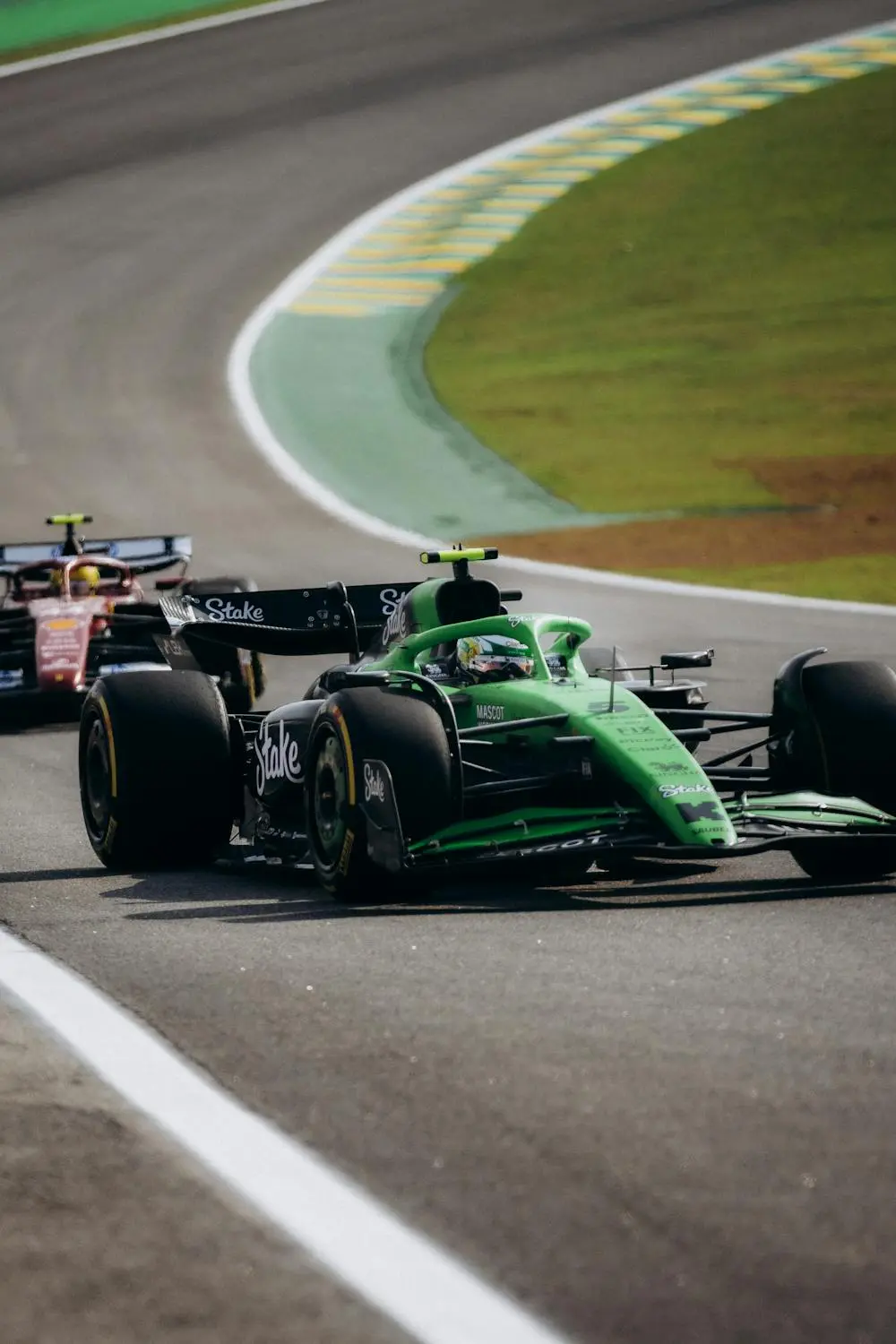
Audi F1 Power Unit Crisis: A Deepening Problem With No Quick Solution
In the 2026 Formula 1 season, few stories have been as consistently deflating as the one unfolding at Audi. The German manufacturer arrived in Formula 1 with enormous fanfare, historic ambition, and the promise of eventually becoming a works powerhouse. Yet, race start after race start, a painful pattern has emerged: Nico Hulkenberg and Gabriel Bortoleto qualify in respectable positions, only to haemorrhage places the moment the lights go out. According to Autosport, the team has now openly acknowledged there is no short-term fix to the Audi F1 power unit problems plaguing every aspect of their on-track performance in 2026.
Detailed Analysis: Why the Audi Power Unit Is Falling Short
The most visible symptom of the Audi F1 power unit issue is the race start deficit. When the formation lap ends and the grand prix begins, both Audis — regardless of their qualifying grid position — lose ground with alarming regularity. This isn't a driver error issue; it is a systemic engineering problem rooted in how the power unit delivers energy at critical moments.
In 2026, Formula 1 introduced radically new technical regulations centred around a 50/50 split between the internal combustion engine (ICE) and the Motor Generator Unit – Heat (MGU-H). The new power units must deliver approximately 50% of their total power output electrically, placing enormous demands on the electrical architecture, battery management, and energy deployment software. For an entirely new power unit project like Audi's, calibrating this energy split at race start — when all systems are stressed simultaneously — is a monumental engineering challenge. The MGU-H (Motor Generator Unit – Heat) is the component that harvests energy from exhaust gases and deploys it to assist the ICE; getting this unit to fire correctly off the line, without over-deploying or under-delivering, is precisely the kind of issue that takes months, not weeks, to resolve.
The second dimension is thermal management. Race starts subject power units to a sudden, violent spike in thermal load. Audi's unit appears to be struggling to manage that spike, meaning the software is likely pulling power back to protect hardware integrity. This self-preservation mode turns what could be a competitive launch into a slow-motion slide down the grid. Additionally, the 2026 "Boost Button" — the manual driver-activated electrical deployment system that allows a brief surge of additional electrical power — may be constrained for Audi drivers relative to their rivals, further compounding the start disadvantage.
Hulkenberg and Bortoleto are not powerless in this situation; both are experienced at managing tyres and strategy to recover positions. But their job is made exponentially harder when they spend the opening laps undoing the damage of a poor start rather than building on a strong qualifying performance. The gap between Saturday pace and Sunday race pace at Audi is currently one of the most striking disconnects on the 2026 grid.
Context: Where This Fits in the 2026 Season Narrative
The 2026 Formula 1 regulations were always going to produce winners and losers among the power unit manufacturers. Mercedes, Ferrari, Honda (supplying Red Bull and Racing Bulls), and the new Renault-derived Alpine unit all entered the season at varying stages of readiness. Audi, as the newest entrant building its power unit from a clean sheet, was widely expected to face a development curve. What the team perhaps did not anticipate was just how multifaceted the Audi F1 power unit performance deficit would be.
This is not merely a race-start problem. Per the source, the issues affect all aspects of power unit performance — meaning straight-line speed, energy recovery efficiency, and likely reliability margins too. For Hulkenberg, this is a particular sting, as the German driver joined the project partly to help build the team into a long-term contender. Bortoleto, arriving as one of F1's brightest rookies, deserves better machinery to showcase his considerable talent. Both drivers are doing admirably in the circumstances, but the competitive floor beneath them is paper-thin until Audi's engineering division can make meaningful gains.
Key Takeaways
- The Audi F1 power unit is suffering issues that affect all areas of performance, not just race starts — confirmed by the team itself.
- Poor race starts are the most visible symptom, with both Hulkenberg and Bortoleto losing positions immediately after lights-out despite strong qualifying efforts.
- Audi has explicitly acknowledged there is no short-term fix, meaning the problem is deeply embedded in the power unit's architecture and software calibration.
- The 2026 regulatory framework — demanding a 50/50 ICE-electric power split — makes this challenge especially complex for a brand-new power unit project.
Frequently Asked Questions
Why is the Audi F1 power unit so weak at race starts in 2026?
The Audi F1 power unit struggles at race starts due to difficulties in managing the sudden energy demands of the new 2026 50/50 ICE-electric power split. The unit appears to pull back power during the critical launch phase, likely to protect hardware and manage thermal loads, resulting in both Audi cars losing positions immediately off the line.
Has Audi confirmed there is no quick fix for their 2026 power unit problems?
Yes. According to Autosport reporting, the Audi team has openly acknowledged that there is no short-term solution to the power unit issues. The problems are systemic and affect all aspects of the unit's performance, indicating a lengthy development programme will be required before competitive parity is achieved.
How do the 2026 F1 regulations make Audi's power unit challenge harder to solve?
The 2026 Formula 1 rules mandate that approximately 50% of total power output must be delivered electrically, placing enormous pressure on battery management, the MGU-H, and energy deployment software. For Audi, building this system from scratch as a new entrant means there is less accumulated data and fewer iterative development cycles to draw upon compared to established manufacturers like Ferrari, Mercedes, and Honda.
Conclusion: A Long Road Ahead for Audi in 2026
Audi's situation in 2026 is not hopeless — but it demands patience, significant engineering resource, and time. The team has done the right thing by being transparent about the scale of the challenge rather than offering false optimism. For Hulkenberg and Bortoleto, the task is to score every available point and build team understanding while the power unit department works toward solutions. Formula 1 history is littered with manufacturers who endured difficult early seasons before becoming genuine forces. Whether Audi can compress that timeline will be one of the defining sub-plots of the 2026 season and beyond. The paddock is watching closely.