Helmut Marko Demands 2026 F1 Regulation Changes After Divisive Season Start
Helmut Marko has demanded immediate changes to the 2026 F1 regulations, escalating tensions over the new season's divisive technical framework.
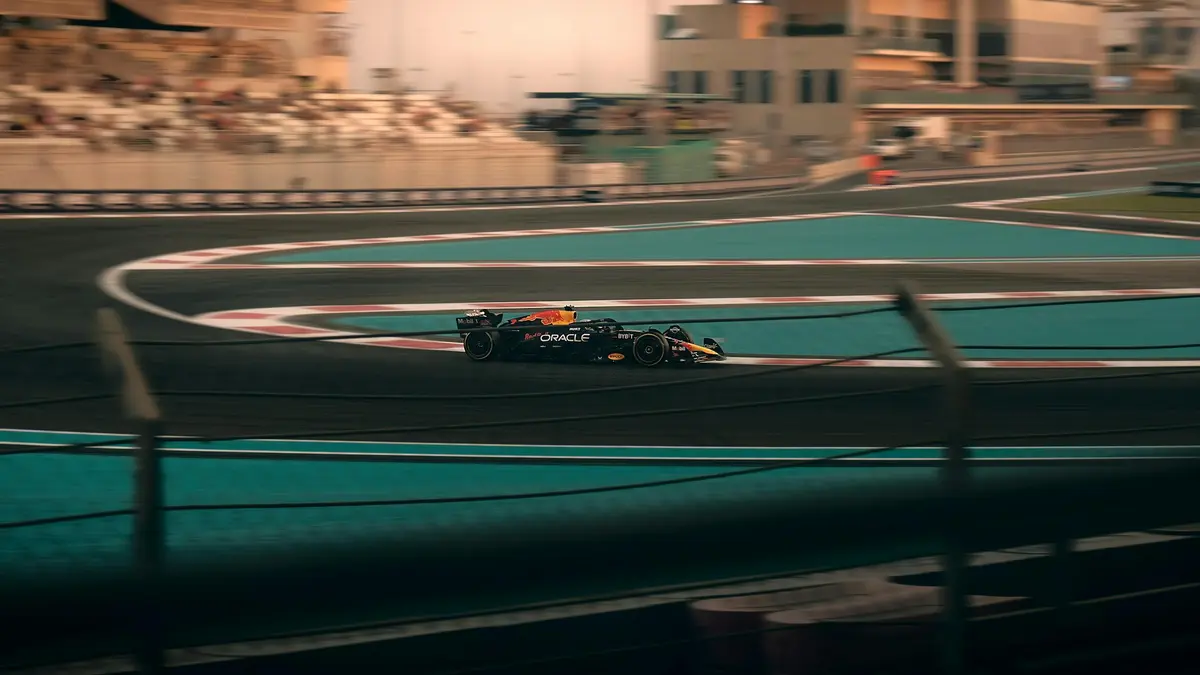
Red Bull Racing's influential motorsport advisor Helmut Marko has called for immediate modifications to the 2026 Formula 1 technical regulations, signalling significant discontent within the paddock following what has been described as a divisive opening to the new season. Marko's intervention underscores a growing tension between the sport's governing body and key stakeholders over the sweeping technical overhaul that defined the 2026 rule cycle — and raises serious questions about whether the regulations are delivering the competitive balance and spectacle that Formula 1 promised.
Marko's Call for Change: What It Means for the 2026 F1 Season
Helmut Marko's demand for immediate changes to the 2026 F1 regulations is not simply the reaction of one team dissatisfied with on-track performance. When Marko speaks, the paddock listens. As the architect of Red Bull's junior driver programme and a long-serving senior figure in the team's strategic direction, his public interventions typically carry significant political weight with the FIA and Formula 1 Management.
The 2026 season introduced the most dramatic regulatory overhaul in recent memory, encompassing entirely new power unit specifications with a substantially increased electrical output component, revised active aerodynamic systems — including the much-discussed manual override deployment mechanism — and a rethought chassis philosophy designed to reduce downforce dependency on ground effect. These changes were intended to level the playing field, increase overtaking, and accommodate new manufacturer entrants including Audi, whose debut season this is following the rebranding of the former Sauber operation.
However, the early races of the 2026 season have proven contentious. Reports of an uneven competitive landscape, concerns about car behaviour under the new active aero systems, and debate over the overtake boost mechanism have seemingly fuelled Marko's frustration. The veteran Austrian's demand for immediate regulatory revision signals that, from Red Bull's perspective at least, the current framework is not functioning as intended.
The 2026 Regulations Under Scrutiny
The 2026 technical regulations were years in the making, crafted with the dual goal of attracting new manufacturers — as evidenced by both Audi's entry and Cadillac's historic debut as the eleventh team on the grid — while simultaneously creating closer racing. The power unit regulations in particular represented a philosophical shift, mandating a near 50/50 split between internal combustion and electrical power delivery.
Active aerodynamics, another cornerstone of the 2026 framework, were designed to give drivers greater control over drag and downforce profiles during a race, theoretically facilitating more overtaking opportunities. Yet active aero systems are notoriously difficult to optimise, and teams with greater simulation resources and development depth have historically adapted faster to complex new technical paradigms — a dynamic that could explain why results so far have been polarising and why a figure like Marko is pushing back.
Red Bull, currently fielding four-time World Champion Max Verstappen alongside promoted rookie Isack Hadjar in his debut season at the top team, entered 2026 with high expectations. Any suggestion that the regulatory environment is not suiting their package — or is producing racing that Marko considers unrepresentative — would be more than enough motivation for the outspoken advisor to demand action.
A Divided Paddock: Why This Matters Beyond Red Bull
Marko's comments land in the context of a broader paddock debate. The 2026 grid is arguably the most competitive and diverse in recent history, with McLaren's Lando Norris and Oscar Piastri, Ferrari's Charles Leclerc and Lewis Hamilton — now in his second year with the Scuderia — and Mercedes pairing George Russell and Andrea Kimi Antonelli all representing genuine title contenders under the new regulations. Newcomers like Audi and Cadillac, featuring Sergio Perez and Valtteri Bottas, add further intrigue.
In such a complex environment, any regulatory instability introduced mid-season carries enormous implications. Changes to technical regulations once a season is underway inevitably favour teams who can respond fastest — typically the larger, better-resourced outfits — and can disadvantage those who have committed significant development resources to a specific interpretation of the rules.
The FIA and Formula 1 Management will need to weigh Marko's demands carefully. Acting too swiftly risks undermining the credibility of a regulatory process that took years to construct. Ignoring the criticism risks deepening divisions and potentially souring the sport's relationship with one of its most historically successful franchises.
Key Takeaways
- Helmut Marko has publicly demanded immediate changes to the 2026 F1 regulations following a divisive start to the season.
- The 2026 regulations introduced major changes including new power unit specifications, active aerodynamics, and an overtake boost system.
- Marko's intervention carries significant political weight given his long-standing influence within the Red Bull organisation and the broader F1 paddock.
- Red Bull enters 2026 with Max Verstappen and rookie Isack Hadjar; any regulatory dissatisfaction from the team warrants serious scrutiny.
- Mid-season regulatory changes carry significant risks for competitive balance across all eleven constructors.
- The FIA faces a delicate balancing act between addressing genuine concerns and maintaining the integrity of the 2026 rulebook.
Frequently Asked Questions
Why is Helmut Marko demanding changes to the 2026 F1 regulations?
Marko has cited a divisive start to the 2026 Formula 1 season as the catalyst for his demand. While specific technical details of his complaints have not been fully outlined in initial reports, the broader context suggests concerns about how the new active aerodynamic systems, power unit performance parity, and racing quality are playing out under the current rulebook.
What are the key features of the 2026 F1 regulations that are under discussion?
The 2026 F1 regulations introduced entirely new power unit specifications with a significantly higher electrical power contribution, active aerodynamic systems designed to aid overtaking, and revised chassis regulations. These changes were intended to attract new manufacturers such as Audi — making their F1 debut this season — and Cadillac, while promoting closer on-track competition.
Could the 2026 F1 regulations actually be changed mid-season?
Mid-season regulatory changes in Formula 1 are rare and procedurally complex, typically requiring a super-majority vote among constructors and approval from the FIA. While it is not unprecedented for clarifications or minor technical directives to be issued during a campaign, wholesale regulation changes within an active season are highly unusual and politically sensitive given the investment all teams have made in their current car concepts.
Conclusion
Helmut Marko's demand for immediate 2026 F1 regulation changes marks one of the most significant moments of political turbulence in what is already a transformative season for Formula 1. With the sport navigating the most complex technical regulations in its modern era, the voices of experienced figures like Marko cannot be dismissed. Whether the FIA and Formula 1 Management choose to engage meaningfully with these concerns — or defend the integrity of a carefully constructed rulebook — will shape not just the 2026 championship, but the sport's regulatory credibility for years to come. This story is developing, and all eyes will be on the response from Geneva and Biggin Hill in the coming days.