Ferrari's Hamilton Withdraws Support From Rising F1 Star
Hamilton and Verstappen have withdrawn support from a rising F1 star in 2026 — what does it mean for Ferrari's season and paddock mentorship culture?
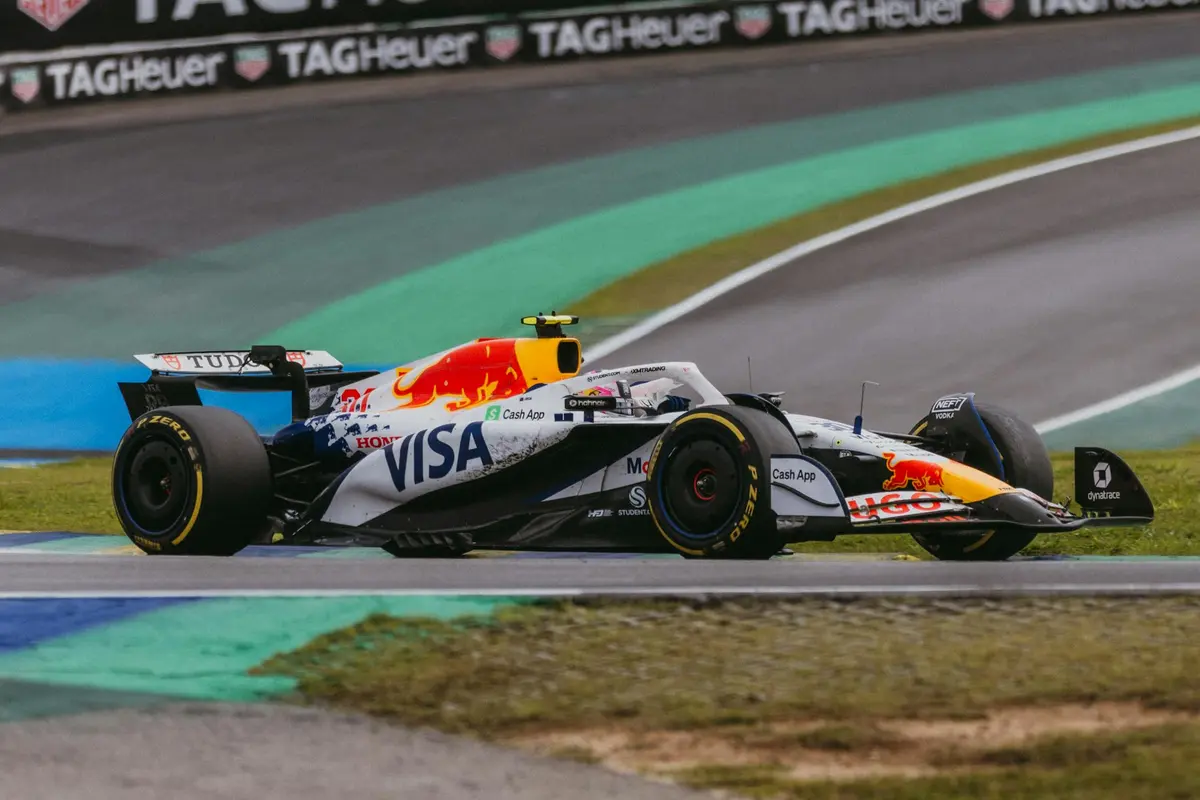
Ferrari's Lewis Hamilton and Verstappen Step Back From Mentoring a Young F1 Talent in 2026
In the fiercely competitive landscape of the 2026 Formula 1 season, an unexpected story has emerged that goes beyond lap times and championship points. Lewis Hamilton — now carrying the iconic Ferrari red — and Red Bull's Max Verstappen, two drivers historically celebrated for championing the next generation of F1 talent, have notably withdrawn their support from one emerging star this season. The revelation, reported by GPfans.com, raises significant questions about team dynamics, competitive pressures, and the unwritten codes of conduct that govern the paddock's mentorship culture.
Detailed Analysis: What Does This Withdrawal of Support Really Mean?
Hamilton's Unique Position at Ferrari
Lewis Hamilton's move to Ferrari ahead of the 2026 season was one of the most seismic transfers in modern Formula 1 history. Partnered with Charles Leclerc, Hamilton brought with him not only an unmatched seven-world-championship pedigree but also a reputation as one of the sport's most vocal advocates for young and diverse talent. His withdrawal of support from a promising young driver is therefore particularly striking and demands careful scrutiny.
At Ferrari, Hamilton is under immense internal pressure to validate the Scuderia's faith in him. The 2026 regulations — which introduced sweeping aerodynamic and power unit overhauls — have compressed the competitive field. In this new environment, every marginal gain matters. It is plausible that Hamilton's team obligations and his own championship ambitions have necessarily drawn his attention inward, leaving little bandwidth for the kind of informal mentorship roles he has embraced in previous seasons.
Verstappen's Competitive Calculus
Max Verstappen's case is equally illuminating. The Dutchman has long been painted as an isolated, intense competitor, yet in recent seasons he surprised many by openly supporting younger drivers navigating the pressures of elite motorsport. His withdrawal in 2026 suggests that the competitive stakes — particularly under the new technical regulations — have tightened his focus considerably. With Isack Hadjar now as his Red Bull teammate, Verstappen's internal team dynamic has also shifted, potentially reducing his incentive to extend mentorship beyond his immediate circle.
The Broader Implications for the Young Driver in Question
Losing the backing of two figures of Hamilton and Verstappen's stature is not a trivial matter in F1's paddock ecosystem. Informal mentorship in Formula 1 operates as a critical soft infrastructure — offering young drivers access to setup philosophies, psychological resilience strategies, and insights into managing relationships with engineers and team principals. Without that support network, the Ferrari F1 team dynamic and the wider grid's mentorship culture come sharply into focus. The withdrawal signals that the 2026 season's intensity is reshaping even the sport's most human elements.
Context: The 2026 Season Narrative and Ferrari's Championship Ambitions
The 2026 Formula 1 season has been defined by transformation. New power unit regulations — featuring a significantly increased electrical energy deployment component — have reshuffled the competitive order. Ferrari entered the season with enormous optimism, pairing the experience of Lewis Hamilton with the raw speed of Charles Leclerc in what many considered the most exciting driver lineup on the grid. This Ferrari F1 pairing carries the weight of a fanbase hungry for a constructors' title.
In this context, Hamilton's focus being directed entirely toward Ferrari's championship campaign is entirely logical, if disappointing for those who valued his mentorship role. The paddock in 2026 is a place where competitive pressure permeates every relationship and every decision. The withdrawal by both Hamilton and Verstappen from supporting a rising star reflects a broader truth: when the stakes are this high, even the sport's most generous personalities must make difficult choices about where they invest their time and energy. For Ferrari, Hamilton's singular focus can only be a positive sign.
Key Takeaways
- Lewis Hamilton, now at Ferrari, and Max Verstappen have both withdrawn their customary support from an emerging F1 talent in the 2026 season.
- Hamilton's championship obligations at Ferrari and the demands of the new 2026 regulations appear to be central factors in this shift.
- Verstappen's evolving internal dynamic at Red Bull, with new teammate Isack Hadjar, may also be reshaping his mentorship priorities.
- The development highlights how the intensified competitive environment of 2026 is affecting even the paddock's informal support structures for young drivers.
Frequently Asked Questions
Why has Lewis Hamilton stopped supporting young F1 talent since joining Ferrari?
Since making his landmark move to Ferrari for the 2026 season, Lewis Hamilton is under significant pressure to deliver results for the Scuderia. The combination of a new team environment, new 2026 technical regulations, and fierce championship competition appears to have redirected his energy away from his well-known mentorship activities toward focusing exclusively on Ferrari's title ambitions.
How does Lewis Hamilton's role at Ferrari in 2026 differ from his previous seasons in terms of paddock influence?
At Mercedes, Hamilton operated within a deeply familiar team structure built over more than a decade, which gave him the stability and bandwidth to engage in broader paddock activities, including mentoring young drivers. At Ferrari, he is still building relationships, adapting to new systems and engineers, and navigating a new partnership with Charles Leclerc — all of which naturally concentrate his focus inward during this critical early phase of his Ferrari F1 career.
What impact could Hamilton and Verstappen withdrawing mentorship have on the development of young F1 drivers in 2026?
Informal mentorship from experienced champions like Hamilton and Verstappen provides young drivers with invaluable psychological and technical guidance that formal team structures do not always supply. The withdrawal of that support in 2026, even if temporary, could leave emerging talents more exposed to the pressures of elite Formula 1 competition, underscoring the importance of FIA and team-led development programs as an alternative safety net.
Conclusion: Ferrari's Hamilton and a Changing Paddock Culture
The news that Lewis Hamilton and Max Verstappen have stepped back from supporting a young F1 star in 2026 is a subtle but meaningful reflection of the season's extraordinary competitive pressure. For Ferrari fans, Hamilton's total commitment to the Scuderia's cause is precisely what they demanded when the historic signing was announced. As the 2026 season unfolds and the Ferrari F1 project gathers momentum, all eyes will remain on how Hamilton channels that competitive intensity — and whether, once settled, his legendary generosity toward the sport's next generation eventually returns.