Ferrari's Hamilton defends regulations during Friday paddock
Lewis Hamilton uses a karting analogy to defend the controversial 2026 F1 regulations as he settles into his new role at Ferrari.
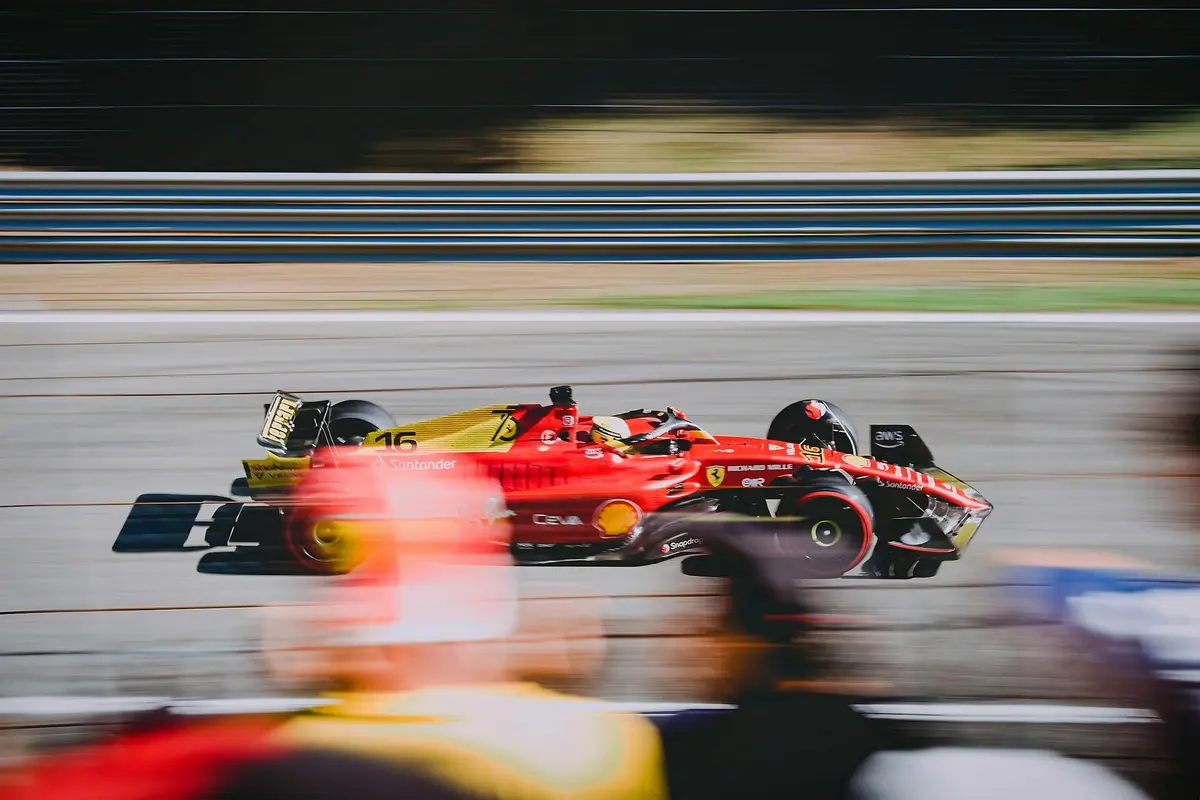
Hamilton Defends Regulations: A Return to Racing Roots
As the 2026 Formula 1 season enters its opening stages, the technical landscape has never been more polarized. On this Friday, March 27, 2026, the paddock has been buzzing with debates surrounding the radical shift in car philosophy. However, Lewis Hamilton, now firmly embedded within the Ferrari F1 ecosystem, has taken a surprising and authoritative stance. Amidst criticism from some corners of the grid regarding the complexity of the new power units and active aerodynamics, Hamilton defends regulations by drawing a direct parallel to the purest form of motorsport: go-karting.
The seven-time champion, who made the high-profile switch to Maranello to partner with Charles Leclerc, suggested that the 2026 machinery requires a level of intuition and reactive driving that reminds him of his early days in karting. This analogy is particularly poignant given the 2026 cars' reliance on a 50/50 power split between the internal combustion engine and electrical deployment. By framing these complex systems as a return to a more 'nimble' and 'reactive' style of racing, Hamilton is effectively attempting to shift the narrative from technical frustration to driver-centric excitement.
Technical Analysis: Why the Karting Analogy Holds Weight
To understand why Hamilton defends regulations with such vigor, one must look at the technical specifications of the 2026 Ferrari challenger. The current cars feature Active Aero—a system that allows for movable front and rear wings to reduce drag on straights and maximize downforce in corners—which requires drivers to be constantly adjusting their approach. Hamilton’s comparison to karting likely stems from the immediate feedback loop these cars now provide. In a kart, every weight shift and throttle input is felt instantly; in the 2026 F1 cars, the management of the Manual Override (a driver-controlled electrical boost available for overtaking) creates a similar tactical environment.
Furthermore, the reduction in overall car dimensions and weight for the 2026 cycle was intended to make the cars more agile. While some drivers have complained about the 'clunky' nature of energy recovery, Hamilton’s perspective suggests that those who master the MGU-K (the motor generator unit that recovers kinetic energy) will find a flow state similar to high-level karting. For Ferrari, having a driver of Hamilton's caliber publicly backing the rules is a massive PR win, especially as the team seeks to optimize their power unit delivery against rivals like Red Bull and Mercedes.
The nuance of Hamilton's defense lies in the 'game-like' quality of the new racing. With the Boost Button and energy management becoming more interactive, the driver has more agency over their pace than in the previous ground-effect era. Hamilton’s assertion is that this doesn't make the cars 'artificial,' but rather more demanding of a driver’s mental bandwidth—much like the frantic, split-second decision-making required in a karting final.
The 2026 Narrative: Ferrari’s Strategic Positioning
Hamilton’s defense of the rules isn't just about personal preference; it’s a calculated move within the 2026 season narrative. Ferrari, under the leadership of Frédéric Vasseur, has invested heavily in the integration of Hamilton and Leclerc. By embracing the regulations early, Ferrari is signaling that their chassis and power unit integration is ahead of the curve. While other teams might be struggling with the transition to the 350kW electrical output, the Scuderia appears to have a driver who is not only comfortable but enthusiastic about the challenge.
This alignment between driver and regulation is crucial for the championship battle. If Hamilton can translate this 'karting' feel into consistent race pace, he and Leclerc could form the most formidable duo on the grid. The 2026 season has already shown that adaptability is the most valuable asset a driver can possess. Hamilton’s ability to find the silver lining in controversial rules suggests he has already found the 'sweet spot' of the Ferrari SF-26.
Key Takeaways from Hamilton's Defense
- Karting Philosophy: Hamilton believes the 2026 regulations bring back the reactive, nimble feel of go-karting, emphasizing driver skill over pure aerodynamic load.
- Energy Management: The use of Manual Override and the 50/50 power split are seen by Hamilton as tools for better racing rather than technical hindrances.
- Ferrari Synergy: Hamilton’s positive outlook reflects well on Ferrari’s technical preparation for the new era, suggesting the car is behaving as intended.
- Regulatory Support: By defending the rulebook, Hamilton is positioning himself as a leader in the paddock, countering the 'vocal minority' of critics.
Frequently Asked Questions
How has Lewis Hamilton adapted to the Ferrari F1 car in 2026?
Lewis Hamilton has adapted remarkably well, utilizing his decades of experience to master the new 2026 energy recovery systems. His recent comments comparing the car to a go-kart suggest he has found a driving style that suits the more agile, lighter chassis developed by Ferrari for this season.
What makes the 2026 Ferrari F1 power unit unique?
The 2026 Ferrari power unit is designed to meet the new 50/50 power distribution rules, balancing a 1.6-liter turbocharged engine with a massive 350kW electrical boost. Ferrari has focused heavily on the efficiency of the MGU-K to ensure Hamilton and Leclerc have maximum deployment available during wheel-to-wheel combat.
Why is Ferrari's driver lineup considered the strongest in 2026?
With Lewis Hamilton and Charles Leclerc, Ferrari boasts a combination of unparalleled experience and raw qualifying speed. Both drivers have expressed a liking for the 2026 regulations, which prioritize driver input and tactical energy management, areas where both excel.
Conclusion: Looking Ahead to the Next Session
As we move toward the next sessions of this Grand Prix weekend, all eyes will be on the timing screens to see if Hamilton’s karting analogy translates into purple sectors. If the Ferrari SF-26 truly handles with the agility Hamilton describes, the Scuderia could be the team to beat as the European leg of the season approaches. The controversy surrounding the 2026 rules will likely continue, but with the sport's most successful driver leading the defense, the FIA can breathe a sigh of relief. For now, the focus remains on the track, where the scarlet cars look to turn Hamilton's positive words into championship points.