Haas Komatsu Warns Against 2026 Regulation Knee-Jerk Changes
Haas boss Ayao Komatsu warns F1 against knee-jerk 2026 rule changes after Oliver Bearman's dangerous crash at the Japanese Grand Prix.
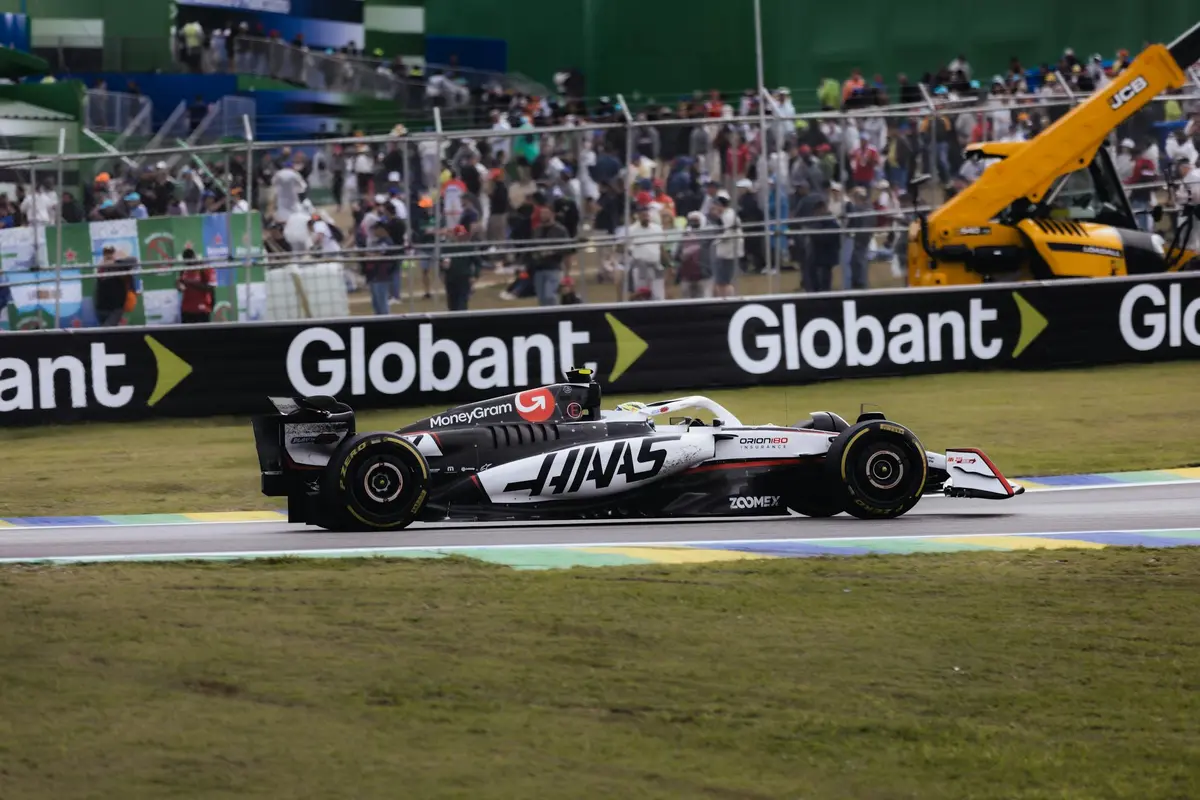
Haas Team Principal Urges Calm Amid Bearman Japanese GP Crash Fallout
TGR Haas team principal Ayao Komatsu has issued a measured but firm warning to Formula 1's governing bodies, urging them not to make hasty, reactive changes to the sport's sweeping 2026 regulations in the wake of a dangerous crash involving his driver Oliver Bearman at the Japanese Grand Prix. Despite the severity of the incident, Komatsu is calling for cool heads to prevail, insisting that "knee-jerk reaction changes" to the 2026 ruleset would be counterproductive and potentially damaging to the long-term integrity of the sport's most ambitious regulatory overhaul in decades.
Detailed Analysis: Why Komatsu's Warning Carries Weight
Ayao Komatsu's stance is not simply a defensive reflex from a team principal protecting his driver or his team's competitive position. It reflects a deeper, technical understanding of how regulatory frameworks are built, tested, and refined over time. The 2026 regulations represent a fundamental reset for Formula 1, encompassing radical changes to aerodynamics, power unit architecture, and energy deployment systems. Introducing piecemeal amendments in response to a single incident — however serious — risks creating unintended consequences across the entire technical ecosystem.
Oliver Bearman's crash at the Japanese Grand Prix will naturally invite scrutiny, particularly around the safety characteristics of the new 2026 car concepts. The 2026 regulations introduced a new active aerodynamics philosophy — a system that dynamically adjusts the car's aerodynamic surfaces in real time to optimise both straight-line speed and cornering downforce — and questions may arise about whether such systems behaved predictably during the incident. However, Komatsu's point is that a thorough investigation must precede any regulatory response.
Komatsu's credibility on this issue should not be underestimated. Having guided TGR Haas through a significant performance transformation in recent seasons, he has demonstrated a methodical, data-first approach to engineering and strategy. His public stance signals that Haas, as a team, believes the crash was not necessarily symptomatic of a systemic flaw in the 2026 regulations, but rather an isolated incident that warrants careful analysis rather than an immediate legislative response.
The broader technical community within Formula 1 will likely echo this sentiment. Regulatory stability is critical for teams that have invested enormous resources — financial, human, and intellectual — into interpreting and executing the 2026 framework. Sudden rule changes mid-cycle could invalidate months of development work and disadvantage smaller teams like Haas more severely than the sport's larger, better-resourced outfits. In this respect, Komatsu's warning is as much a defence of competitive fairness as it is a technical argument.
Context: The 2026 Season Narrative and Regulatory Sensitivity
The 2026 Formula 1 season arrived with enormous anticipation. The new power unit regulations — which mandate a 50/50 split between internal combustion and electrical power output — combined with the revised aerodynamic philosophy have produced cars that are fundamentally different from any previous generation. Teams across the grid, from McLaren and Ferrari to Red Bull and newcomers like Cadillac, have spent years preparing for this moment.
Against this backdrop, any suggestion of mid-season regulation changes would send shockwaves through the paddock. For TGR Haas, a team running Esteban Ocon alongside the young Oliver Bearman, maintaining regulatory continuity is especially important. Bearman, one of the most exciting prospects in the current generation of Formula 1 drivers, is still building his experience at the top level, and the team's development trajectory depends on a stable technical environment. Komatsu's call for restraint is, therefore, entirely consistent with Haas's broader 2026 ambitions.
Key Takeaways
- TGR Haas team principal Ayao Komatsu has publicly warned Formula 1 against making reactive, premature changes to the 2026 regulations following Oliver Bearman's crash at the Japanese Grand Prix.
- Komatsu's position reflects a data-driven, methodical philosophy — insisting that thorough investigation must precede any regulatory response to the incident.
- The 2026 regulations represent Formula 1's most ambitious technical reset in decades, covering active aerodynamics, power unit architecture, and energy deployment; mid-cycle changes risk significant unintended consequences.
- Regulatory stability is disproportionately important for smaller teams like Haas, who invest heavily in interpreting the ruleset and have less capacity to absorb sudden technical pivots.
Frequently Asked Questions
What did Haas team principal Ayao Komatsu say about the 2026 regulation changes after Bearman's crash?
Ayao Komatsu warned Formula 1 against making "knee-jerk reaction changes" to the 2026 regulations following Oliver Bearman's dangerous crash at the Japanese Grand Prix. He urged that any regulatory response be grounded in thorough investigation rather than immediate, reactive decision-making.
How could potential 2026 regulation changes affect TGR Haas's season?
For TGR Haas, mid-season regulatory changes would be particularly disruptive. As a team with a smaller resource base compared to top-tier outfits, Haas has invested significantly in understanding and optimising its car around the 2026 framework. Sudden rule amendments could negate development gains and hinder Oliver Bearman and Esteban Ocon's ability to perform competitively.
Is Oliver Bearman's crash at the Japanese Grand Prix expected to trigger new F1 safety rules in 2026?
While the crash has drawn attention to the safety characteristics of the new 2026 car concepts, Haas's Komatsu has explicitly cautioned against rushing to implement new rules. The expectation within the paddock is that governing bodies will conduct a detailed technical review before determining whether any regulatory amendments are warranted.
Conclusion: Steady Hands Needed as F1 Navigates Its Most Complex Era
Ayao Komatsu's measured warning is a reminder that Formula 1's most significant regulatory transitions demand patience and analytical rigour, not reflexive legislation. As the 2026 season continues to unfold, the sport's stakeholders — from the FIA and FOM to the ten competing teams — must resist the temptation to react to individual incidents before the full picture is understood. For TGR Haas, the priority will be ensuring Oliver Bearman's wellbeing, understanding the technical facts of his Japanese Grand Prix crash, and continuing to develop their 2026 package in a stable regulatory environment. The road ahead will define how Formula 1 manages safety and innovation simultaneously.