Formula E Fan Growth: Major Changes Needed in 2026
Formula E must make major changes in 2026 to unlock huge fan growth, leveraging its Gen3 Evo technology, city-centre racing, and sustainability credentials.
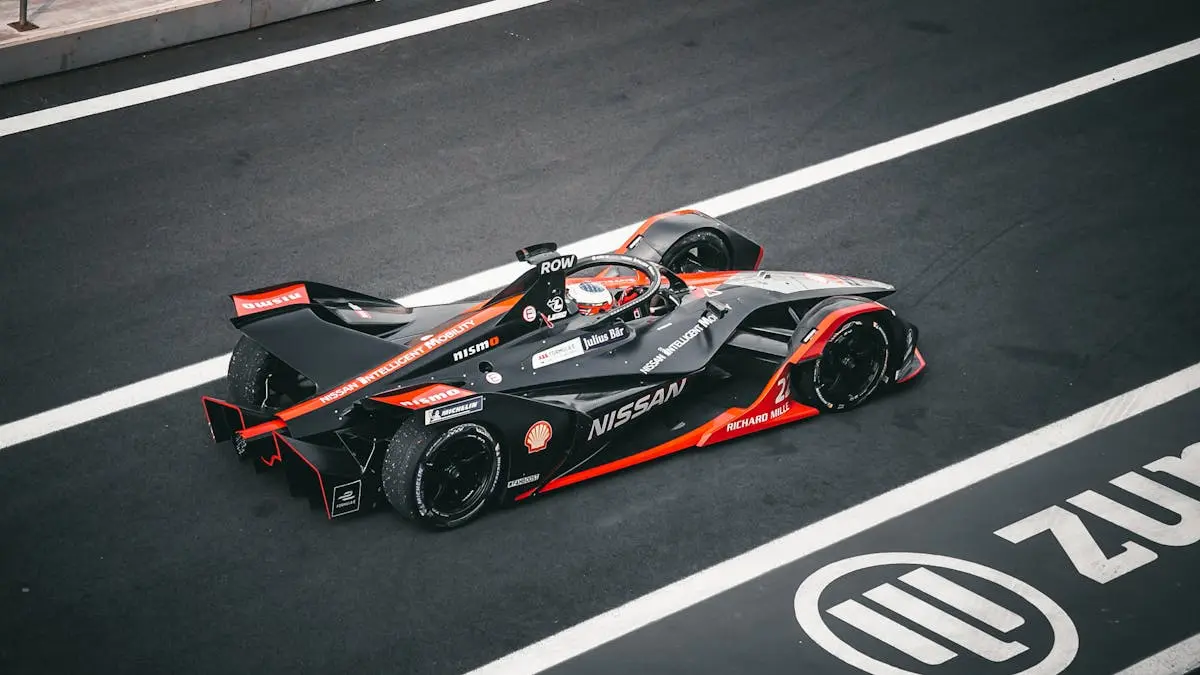
Formula E stands at a defining crossroads in 2026. As the all-electric single-seater series enters Season 12 with its Gen3 Evo machinery and looks ahead to the transformative Gen4 era, the question of how the championship grows its global fanbase has never been more urgent. A new analysis from Motorsport Week argues that Formula E must make major changes to ensure huge fan growth — and the sport's leadership cannot afford to treat the issue as secondary to on-track competition.
Why Formula E Fan Growth Is the Sport's Most Critical Challenge
Formula E has achieved remarkable milestones since its inception. It operates in city-centre environments, carries a genuine sustainability mandate, and has attracted major manufacturers including Porsche, Jaguar, Nissan, and the newly branded Citroen Racing. Yet despite these credentials, the series continues to battle for mainstream visibility in a crowded motorsport landscape dominated by Formula 1's explosive growth trajectory.
The core challenge is one of perception and accessibility. While the Gen3 Evo cars are the fastest and most technically sophisticated Formula E machines ever built — producing 350kW (approximately 470hp) and deploying Active All-Wheel Drive during qualifying, race starts, and ATTACK MODE activations — casual fans often struggle to engage with the nuances that make the series so technically compelling. Energy management strategy, ATTACK MODE decisions, and the unique dynamics of street circuits require a learning curve that must be lowered if the series is to attract the next generation of motorsport enthusiasts.
Broadcast presentation, social media storytelling, and in-venue fan experiences are all areas where incremental improvements could yield significant audience dividends. The series races in some of the world's most iconic city locations, yet the translation of that spectacle into compelling content for global audiences remains inconsistent. Formula E's city-centre format is a genuine differentiator — no other top-tier single-seater championship runs through the hearts of major metropolitan areas — but that asset must be leveraged far more aggressively in the digital and broadcast space.
The Gen4 Transition as a Fan Growth Catalyst
Looking ahead, the arrival of Gen4 machinery next season represents an unparalleled opportunity to reset the narrative and attract new audiences. The transition between car generations historically provides a natural media moment — a storyline hook that draws in casual observers who might not follow the day-to-day championship battle. Formula E's leadership and its ten competing teams must coordinate to ensure the Gen4 launch is treated as a marquee global event, not merely a technical upgrade announcement buried in a press release.
The current Season 12 grid is rich with compelling storylines that could drive fan engagement if communicated effectively. Jaguar TCS Racing's Antonio Felix da Costa and Mitch Evans represent one of the most experienced driver pairings in the paddock. Porsche's Pascal Wehrlein has established himself as one of the benchmark performers of the Gen3 era. DS Penske fields Stoffel Vandoorne alongside young gun Taylor Barnard. Meanwhile, the Lola Yamaha ABT project brings the iconic figure of Lucas di Grassi back into the spotlight. These are narratives with genuine human interest — they simply need to be told with greater reach and consistency.
Engaging the Sustainability-Conscious Audience
Formula E's foundational identity is rooted in sustainability and clean technology advocacy. This positions the championship uniquely to capture an audience demographic that is deeply engaged with environmental issues but may not yet be traditional motorsport fans. Converting sustainability-conscious consumers into Formula E followers requires targeted content strategies, partnerships with relevant lifestyle and technology brands, and a clearer articulation of how racing in Formula E directly accelerates electric vehicle technology development.
Manufacturers such as Porsche and Nissan use the series explicitly as a development platform for road-car EV technology. Communicating this pipeline — from racetrack to showroom — in accessible, engaging language could unlock an entirely new fan segment that currently sits outside the motorsport bubble entirely.
Key Takeaways
- Formula E must prioritise fan growth strategies in Season 12 and beyond to match the series' on-track technical ambitions.
- The Gen3 Evo cars offer world-class performance credentials that are currently under-communicated to mainstream audiences.
- The forthcoming Gen4 era should be leveraged as a global storytelling moment to attract new viewers and attendees.
- City-centre racing is a unique asset that requires far more aggressive exploitation across digital, social, and broadcast channels.
- Driver narratives — from veterans like da Costa and Evans to emerging talents like Barnard and Marti — are underutilised engagement tools.
- The sustainability-to-road-car technology pipeline must be communicated clearly to convert eco-conscious consumers into fans.
- Consistent, accessible broadcast presentation and lower barriers to understanding race strategy are essential for audience retention.
Frequently Asked Questions
What major changes does Formula E need to grow its fanbase in 2026?
According to analysis from Motorsport Week, Formula E needs sweeping improvements across broadcast presentation, digital content strategy, in-venue fan experience, and the communication of its sustainability narrative. The championship's unique city-centre format and clean technology credentials are powerful assets that must be activated far more effectively to drive Formula E fan growth at scale.
How does the Gen3 Evo car contribute to Formula E's appeal in Season 12?
The Gen3 Evo is the most advanced Formula E car ever produced, delivering 350kW of power (equivalent to approximately 470hp) and featuring Active All-Wheel Drive deployed during qualifying, race starts, and ATTACK MODE phases. This technical sophistication gives the series a compelling performance story — but that story needs better storytelling infrastructure to reach mainstream audiences who are not yet Formula E followers.
Which teams and drivers are best positioned to lead Formula E fan growth efforts in 2026?
High-profile driver pairings such as Jaguar TCS Racing's Antonio Felix da Costa and Mitch Evans, Porsche's Pascal Wehrlein and Nico Muller, and veteran campaigner Lucas di Grassi at Lola Yamaha ABT carry strong name recognition. Newer talents including Taylor Barnard, Pepe Marti, and Arvid Lindblad — wait, Lindblad is in F1's Racing Bulls — represent the sport's next generation. Effectively marketing these personalities across global platforms is central to any Formula E fan growth strategy.
Conclusion
Formula E in 2026 possesses every ingredient required to become one of the world's most-watched motorsport championships: cutting-edge electric technology, iconic city venues, manufacturer backing from global automotive giants, and a sustainability platform perfectly aligned with contemporary values. The challenge — and the opportunity — lies in execution. If the series can make the major changes necessary to translate on-track excellence into genuine fan growth, the Gen4 era could mark the moment Formula E truly breaks into the mainstream. The time to act is now.
In this article