FIA Cancels Saudi Arabian Grand Prix 2026 Calendar Change
The FIA has officially cancelled the Saudi Arabian Grand Prix weekend, triggering a significant reshuffle of the 2026 Formula 1 calendar.
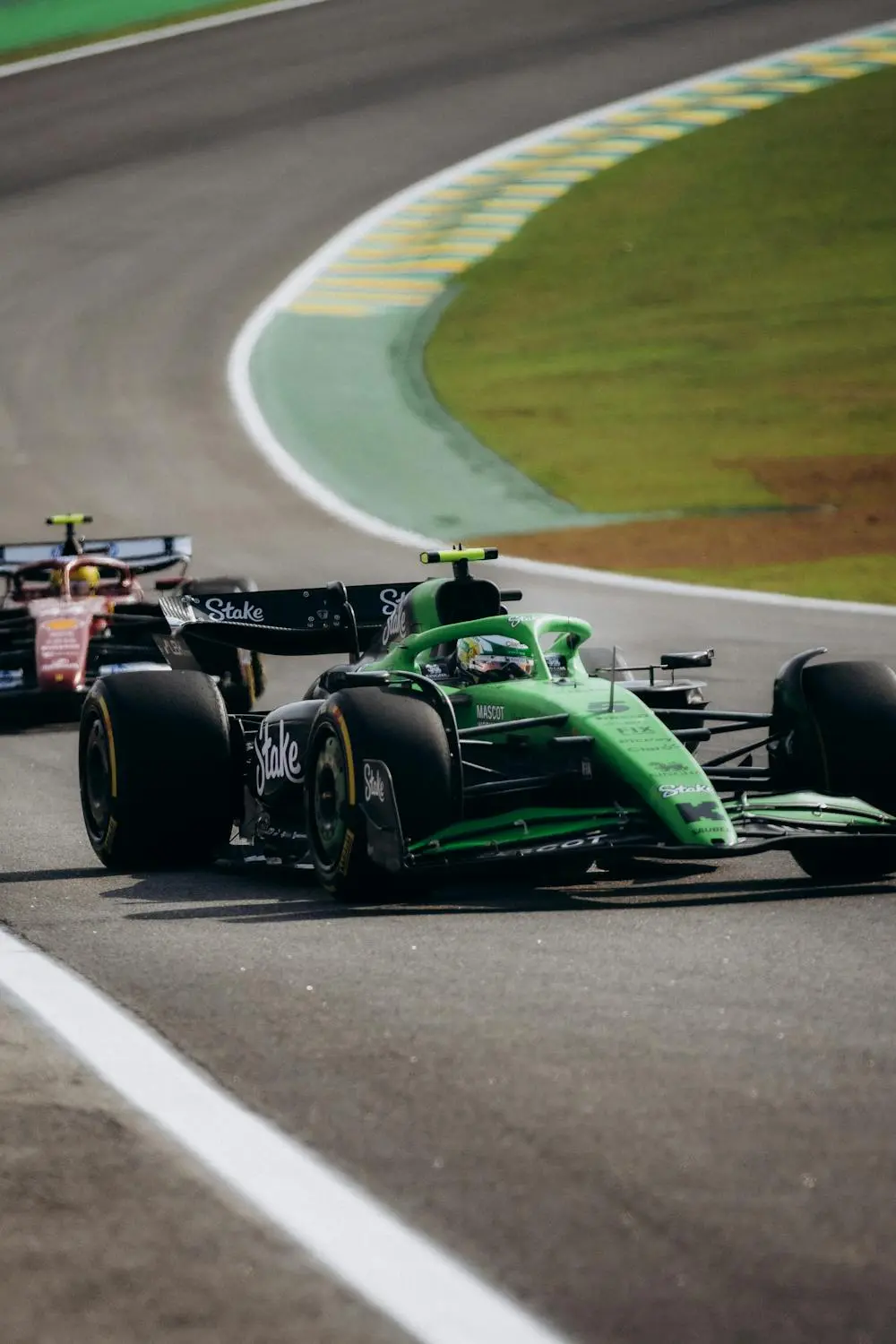
FIA Confirms Saudi Arabian Grand Prix Cancellation in 2026
In a significant development for the 2026 Formula 1 season, the FIA has officially announced the cancellation of the Saudi Arabian Grand Prix weekend. The governing body confirmed the news via an official statement, triggering an immediate reshuffle of one of its racing series' calendars. The Saudi Arabian Grand Prix cancellation marks a notable disruption to what was already shaping up to be one of the most technically transformative seasons in modern F1 history, with the sport navigating a sweeping new technical regulatory framework. For teams, sponsors, and fans alike, the implications are substantial and wide-ranging.
Detailed Analysis: What the Saudi Arabian Grand Prix Cancellation Means
An Unexpected Gap in a Packed Calendar
The Saudi Arabian Grand Prix, typically hosted on the high-speed Jeddah Corniche Circuit, has been a fixture on the F1 calendar since its debut in 2021. Its cancellation in 2026 represents a rare and significant withdrawal of a race weekend from the schedule. The FIA's announcement that it has moved to adjust one of its racing series' calendars in response suggests that the organisational and logistical fallout is being managed at the highest level of motorsport governance.
From a purely competitive standpoint, the Saudi Arabian Grand Prix cancellation removes a round that historically produces dramatic, high-speed racing with significant championship implications. The Jeddah street circuit is unique in its layout — a fast, flowing track with minimal runoff and walls that punish the smallest of errors. Its removal means one fewer opportunity for title contenders across the 2026 grid to accumulate points, tightening the margins across what is already expected to be an intense championship battle.
Championship Implications Across the 2026 Grid
In 2026, every race weekend carries amplified importance due to the new technical regulations. This season introduced a radical overhaul of aerodynamic philosophy, with teams now operating under Active Aero systems — a framework where aerodynamic surfaces can dynamically adjust during a lap to optimise both downforce and drag, replacing the legacy DRS system. Losing a race weekend under these regulations means losing one of a limited number of data-gathering opportunities, especially critical for teams still in the process of understanding their 2026 machinery.
For outfits like Audi and Cadillac — both of whom are in the earlier stages of their respective 2026 programmes — and for rookie drivers such as Isack Hadjar at Red Bull, Arvid Lindblad at Racing Bulls, and Andrea Kimi Antonelli at Mercedes, each race weekend is an irreplaceable development milestone. The Saudi Arabian Grand Prix cancellation therefore disproportionately affects those who most needed the track time to build experience and refine their car's setup correlations.
FIA's Response and Calendar Management
The FIA's decision to formally announce the change and adjust the relevant series calendar reflects the governing body's responsibility to maintain clarity and structure for all stakeholders. While the specific series affected by the calendar amendment has not been detailed beyond the source announcement, the cascading effect on the broader F1 ecosystem — including support series schedules, freight logistics, broadcasting rights windows, and hospitality infrastructure — cannot be understated. Race promoters, circuit operators, and local governments that had committed resources to the Saudi event will now need to reassess their planning, a process that involves significant financial and contractual complexity.
Context: How This Fits the 2026 Season Narrative
The 2026 Formula 1 season was already one of the most consequential in recent memory before this announcement. With an entirely new power unit formula now in effect — one that dramatically increases the electrical energy deployment component of hybrid systems — and fresh constructor entrants in Audi and Cadillac, the season was primed to redefine competitive hierarchies. The Saudi Arabian Grand Prix cancellation adds another layer of unpredictability to an already volatile landscape.
Historically, calendar disruptions of this nature have occurred due to a range of factors including geopolitical instability, logistical failures, or force majeure events. Regardless of the underlying cause here, the FIA's swift and official response demonstrates its commitment to transparent governance during a pivotal period for the sport. How teams adapt their development and race strategies in the wake of this change will be a fascinating subplot for the remainder of the season.
Key Takeaways
- The FIA has officially confirmed the Saudi Arabian Grand Prix cancellation for the 2026 season, prompting a calendar reshuffle.
- The Jeddah Corniche Circuit is a uniquely high-speed venue whose removal reduces the number of data points available for teams still developing their 2026 Active Aero-equipped machinery.
- Rookie drivers and newer constructor entrants such as Audi and Cadillac are among those most impacted by the loss of a race weekend.
- The FIA has moved quickly to update the affected racing series' calendar, signalling a commitment to clear governance and stakeholder communication.
Frequently Asked Questions
Why has the 2026 Saudi Arabian Grand Prix been cancelled?
The FIA has officially announced the cancellation of the Saudi Arabian Grand Prix weekend in 2026, though the governing body's statement as reported does not specify the precise reason behind the decision. The FIA has confirmed that calendar adjustments have been made in response to the cancellation across its racing series.
How does the Saudi Arabian Grand Prix cancellation affect the 2026 F1 championship standings?
The removal of the Saudi Arabian Grand Prix from the 2026 calendar reduces the total number of points-scoring opportunities available to all drivers and constructors. This tightens championship margins and adds strategic pressure to every remaining race weekend, particularly for those drivers and teams in closely contested championship positions.
Which 2026 F1 teams are most impacted by the loss of the Saudi Arabian Grand Prix?
Newer entrants such as Audi and Cadillac, as well as rookie drivers including Isack Hadjar, Arvid Lindblad, and Andrea Kimi Antonelli, stand to feel the impact most acutely. Each lost race weekend represents a missed opportunity for vital data collection, setup refinement, and championship points accumulation under the entirely new 2026 technical regulations.
Conclusion: Looking Ahead After the Saudi Arabian Grand Prix Cancellation
The Saudi Arabian Grand Prix cancellation is an undeniable disruption to the rhythm of the 2026 Formula 1 season. As teams regroup and the FIA finalises the revised calendar, attention will now sharpen on the next scheduled race weekend and how competitors recalibrate their championship strategies accordingly. With Active Aero systems, new power units, and a reshaped grid all contributing to an atmosphere of unprecedented change, every remaining race in 2026 will carry even greater weight. Fans, teams, and the FIA alike will be watching closely as the season navigates this unexpected turn.