FIA Bans Mercedes and Red Bull F1 Qualifying Energy Trick
The FIA has banned a qualifying energy deployment trick used by Mercedes and Red Bull-powered teams, closing a loophole that delivered small but valuable lap time gains.
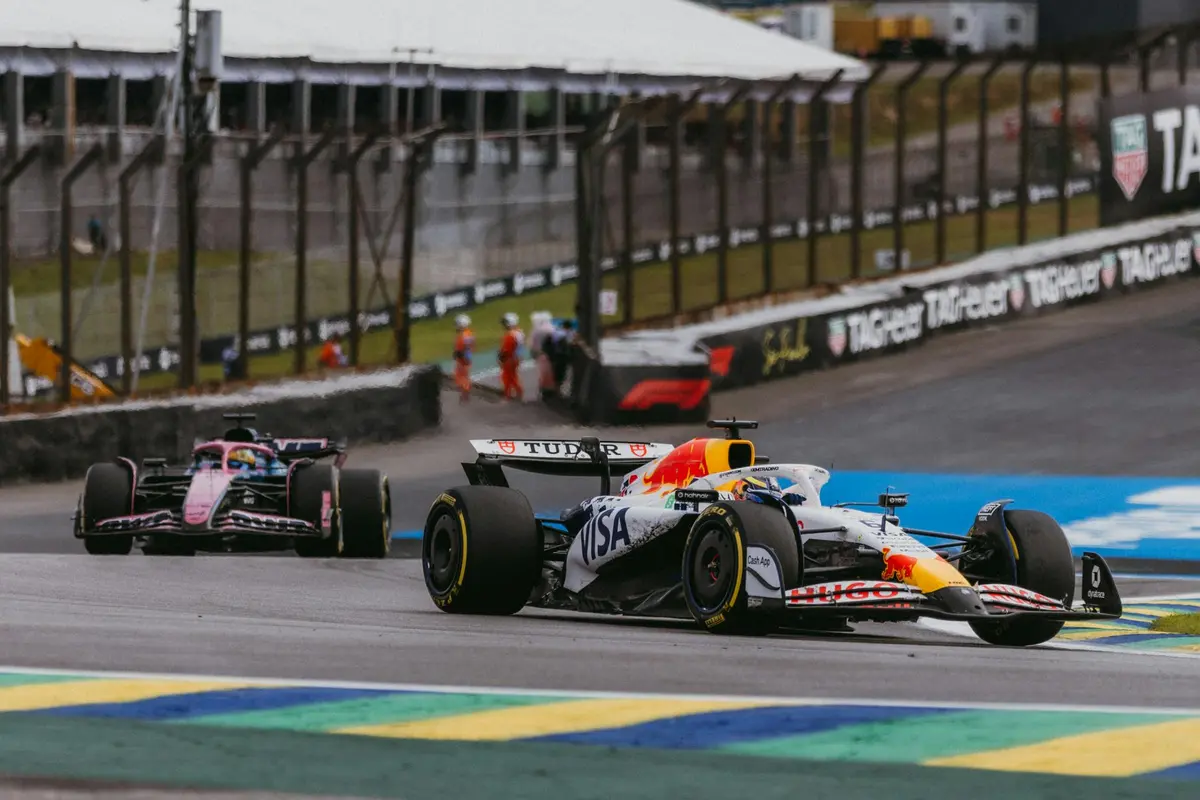
FIA Closes Qualifying Energy Deployment Loophole Used by Mercedes and Red Bull-Powered Teams
The FIA has moved to outlaw a Formula 1 qualifying tactic reportedly exploited by Mercedes and Red Bull-powered teams, shutting down a subtle but meaningful performance advantage that had been influencing lap times at the critical final moments of a timed lap. The banned trick revolves around electrical energy deployment in qualifying, and its closure underlines the FIA's ongoing commitment to tightening the technical regulations as competition reaches new levels of intensity in the 2026 season.
What Was the Qualifying Energy Deployment Trick?
At the heart of this loophole was the management of electrical power delivery as a car crosses the timing line at the end of a qualifying lap. Under normal operating parameters, Formula 1 regulations require drivers to gradually reduce their electrical power output as they approach the finish of a lap, ensuring that energy deployment is managed within defined limits over the course of the entire timed sector.
However, Mercedes and Red Bull-powered teams — which includes not only the factory outfits but also their respective customer and affiliate squads — had reportedly discovered a method to exploit the precise wording or technical interpretation of these rules. By manipulating how and when electrical power was wound down relative to the exact timing of the line crossing, teams were able to harvest or deploy a small but electorally meaningful additional burst of energy right at the point where lap time is ultimately sealed.
In a sport where pole positions can be decided by hundredths or even thousandths of a second, even a marginal performance gain of this nature can translate directly into grid positions — and, consequently, race outcomes. This is especially pertinent in the 2026 Formula 1 season, where the introduction of new technical regulations, including overhauled active aerodynamics and a revised power unit formula featuring a significantly enhanced electrical deployment component, has placed energy management at the very centre of competitive strategy.
Why This Matters in the Context of 2026 F1 Regulations
The 2026 season represents the most sweeping regulatory overhaul Formula 1 has seen in years. The new power unit regulations dramatically increase the electrical contribution to overall performance, with the MGU-K now delivering substantially more power than in previous hybrid eras. This means that nuances in how electrical energy is deployed — particularly in qualifying, where teams push systems to their absolute limits — carry far greater competitive weight than ever before.
It is precisely because of this elevated electrical significance that the FIA has taken a firm stance on closing this loophole. The qualifying energy deployment trick may have existed in some form previously, but under the 2026 regulations, its potential impact is amplified. Teams with the sharpest software engineers and most advanced hybrid control systems are best positioned to find and exploit such edges, which is why it was largely Mercedes and Red Bull-affiliated outfits — historically among the most technically sophisticated operations in the paddock — that were identified as the primary users of this tactic.
For teams like Mercedes, currently running George Russell and second-year driver Andrea Kimi Antonelli, and Red Bull, where Max Verstappen leads the charge alongside 2026 newcomer Isack Hadjar, qualifying performance is non-negotiable. Any technical tool that sharpens their one-lap pace is fiercely protected — and equally fiercely scrutinised by rivals and the governing body alike.
Broader Implications Across the 2026 Grid
The ripple effects of this ban extend well beyond just Mercedes and Red Bull. Their power unit customers — teams using the same engine family — were also reportedly benefiting from the trick, meaning the FIA's intervention affects a significant portion of the current grid. In 2026, this is particularly relevant given the expanded field, which now includes Cadillac as the 11th constructor making their F1 debut, alongside Audi competing in their own inaugural season following their rebrand from Sauber.
For teams that were not utilising this approach, the closure of the loophole represents a levelling of the playing field in qualifying — a session that has taken on added importance with the 2026 sprint weekend formats and revised points structures. Ferrari, McLaren, and other non-affected constructors will view this as a positive development, potentially tightening what was already a fiercely contested qualifying order.
Key Takeaways
- The FIA has banned a qualifying energy deployment trick used by Mercedes and Red Bull-powered teams in Formula 1.
- The tactic involved manipulating electrical power reduction relative to the timing line at the end of a qualifying lap to gain a small but valuable performance advantage.
- Under 2026's new power unit regulations — which give the electrical deployment component far greater influence — such tricks carry amplified competitive weight.
- Both factory teams and their customer or affiliate squads using Mercedes and Red Bull power units were reportedly benefiting from this loophole.
- The FIA's intervention reflects a broader pattern of closing technical grey areas as the 2026 regulatory framework beds in.
- The ban is likely to have a measurable effect on qualifying competitiveness, potentially tightening the field in one-lap pace.
Frequently Asked Questions
What exactly was the Mercedes and Red Bull qualifying energy trick that the FIA banned?
The trick centred on energy deployment during qualifying. Rather than gradually reducing electrical power as regulations require when approaching the timing line, teams reportedly found a way to exploit the precise technical interpretation of those rules to maintain or deploy additional electrical power right at the moment the lap time is recorded, yielding a small but competitive performance advantage.
Which teams are affected by the FIA's ban on the qualifying energy deployment trick?
According to the source reporting, the ban primarily targets Mercedes and Red Bull-powered teams. This includes not just the factory outfits — Mercedes themselves and Red Bull Racing — but also any customer or affiliate teams running power units from those two manufacturers, meaning the scope of the ban is broader than just two entries on the 2026 grid.
Why is this qualifying loophole particularly significant in the 2026 F1 season?
The 2026 Formula 1 season introduced a new power unit formula that dramatically increases the role of electrical energy in overall performance. With the electrical component of the hybrid system now contributing more power than in any previous era of the hybrid regulations, how and when that energy is deployed — especially in qualifying — has a direct and heightened impact on lap times. Closing this loophole is therefore more consequential in 2026 than it would have been under the previous technical rules.
Conclusion
The FIA's decision to ban this qualifying energy deployment trick is a timely reminder that in Formula 1, the technical battle never stops — it simply shifts terrain. As the 2026 regulations continue to mature and teams push the boundaries of the new power unit framework, the governing body's ability to identify and close grey areas quickly will be essential to maintaining competitive integrity. For Mercedes, Red Bull, and their affiliated teams, this is a setback in qualifying performance terms, but for the sport as a whole, it is a step toward ensuring that pace is determined by outright engineering excellence rather than regulatory interpretation.