Ferrari F1 Speed Traces: Analyzing Suzuka Qualifying Data
Analysis of the Ferrari F1 speed traces from the 2026 Japanese GP qualifying reveals a major power unit advantage for Leclerc and Hamilton at Suzuka.
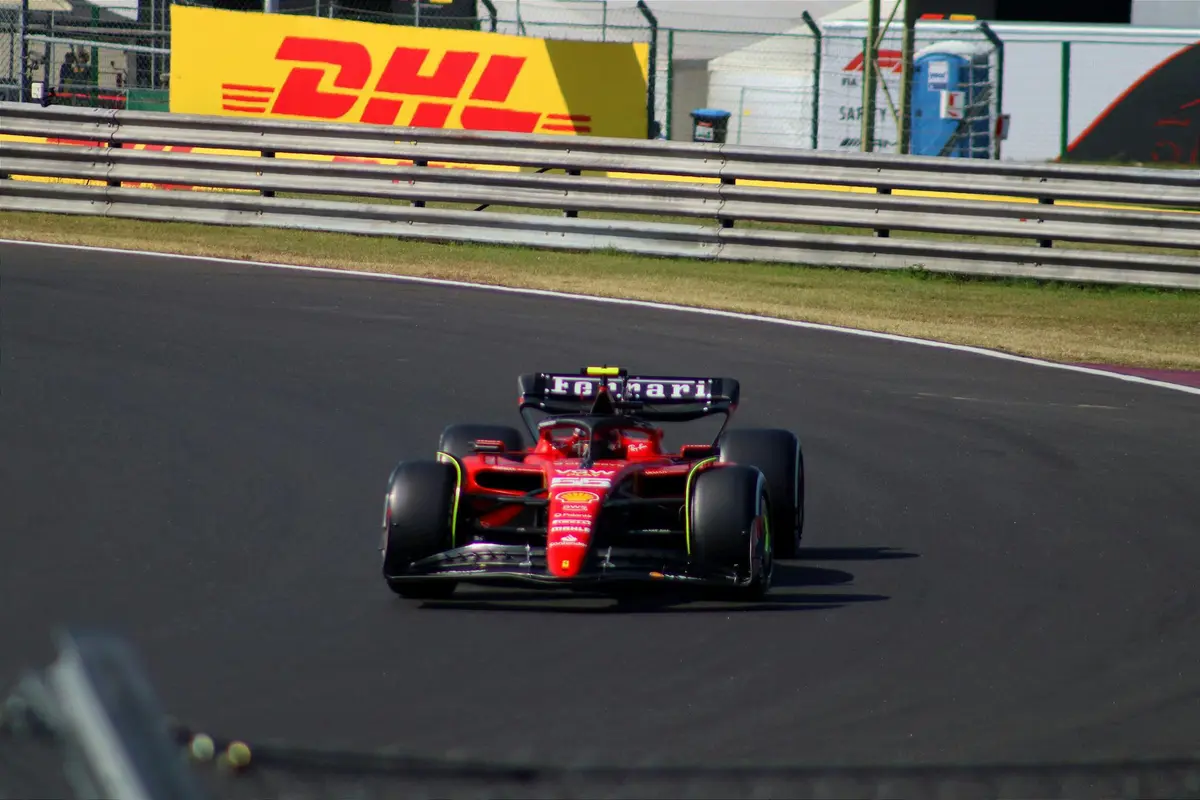
The Technical Battleground at Suzuka
As the 2026 Formula 1 season intensifies, the Japanese Grand Prix has once again proven to be the ultimate litmus test for aerodynamic efficiency and power unit integration. Following today’s high-stakes qualifying session at Suzuka, the Ferrari F1 speed traces have emerged as the primary talking point among technical analysts in the paddock. With the 2026 regulations introducing a radical shift in energy recovery and active aerodynamics, the data provided by F1Technical’s Balazs Szabo offers a rare glimpse into how the Scuderia has mastered the complex interplay between the internal combustion engine and the increased electrical output.
The 2026 cars, characterized by their nimble dimensions and sophisticated energy management systems, face a unique challenge at Suzuka. The circuit's flowing nature, particularly the iconic 'S' Curves and the high-speed 130R, demands a car that can maintain high minimum speeds while managing the deployment of the Manual Override—a driver-activated electrical boost available at high speeds to aid overtaking or defending. The Ferrari F1 speed traces indicate that the SF-26 (Scuderia Ferrari 2026) is currently setting the benchmark for energy harvesting under braking, allowing Charles Leclerc and Lewis Hamilton to utilize their electrical reserves more effectively than their rivals at Red Bull and Mercedes.
Decoding the Ferrari F1 Speed Traces
Detailed analysis of the telemetry from qualifying reveals that Ferrari has opted for a unique approach to their Active Aero mapping. Active Aero refers to the movable front and rear wings that shift between high-downforce and low-drag modes to optimize performance across different sections of the track. In the first sector, the Ferrari F1 speed traces show a remarkably stable velocity profile through the Esses. While some competitors suffered from 'clipping'—a phenomenon where the electrical energy runs out before the end of a long straight—the Ferrari power unit maintained a consistent pull all the way to the Casio Triangle.
Charles Leclerc’s qualifying lap was a masterclass in energy management. By analyzing the Ferrari F1 speed traces, we can see that Leclerc was able to delay his energy deployment until the exit of Degner 2, ensuring maximum thrust through the long run toward 130R. Lewis Hamilton, on the other hand, showed a slightly different trace, prioritizing entry speed into the hairpin, suggesting that Ferrari has given its drivers the flexibility to tune the Manual Override maps to suit their individual driving styles. This level of customization is a testament to the work done by Frédéric Vasseur’s technical team over the winter break.
The 2026 Power Unit Paradigm
The 2026 power unit regulations mandate a 50/50 split between the internal combustion engine (ICE) and the Energy Recovery System (ERS). This has made the 'speed trace' more than just a measure of top speed; it is now a map of efficiency. The Ferrari F1 speed traces from Suzuka suggest that the Maranello-based squad has found a significant advantage in their MGU-K (Motor Generator Unit - Kinetic) recovery rates. While the Audi and Cadillac entries showed impressive straight-line speed, they appeared to struggle with energy derating toward the end of the qualifying laps, a weakness that Ferrari exploited to secure a front-row threat.
The 2026 Championship Implications
The data gathered today at the Japanese Grand Prix has massive implications for the remainder of the 2026 season. If Ferrari can maintain this level of efficiency, they will be the favorites at tracks like Silverstone and Spa-Francorchamps, where energy management is critical. The Ferrari F1 speed traces confirm that the team has successfully navigated the transition to the new regulations, providing Lewis Hamilton with a platform capable of challenging Max Verstappen’s Red Bull dominance. The synergy between the chassis and the new sustainable-fuel-powered ICE is clearly the class of the field at this stage of the weekend.
- Energy Management: Ferrari's MGU-K recovery allows for longer deployment of the Manual Override boost compared to Mercedes and Audi.
- Aero Efficiency: The transition between high-downforce and low-drag modes in the Active Aero system is smoother on the SF-26, preventing mid-corner instability.
- Driver Adaptability: Both Leclerc and Hamilton are utilizing distinct energy maps, proving the Ferrari F1 platform's versatility.
- Reliability: Despite the high thermal loads at Suzuka, the Ferrari power unit showed no signs of derating or overheating during the flat-out qualifying runs.
Frequently Asked Questions
How do the Ferrari F1 speed traces compare to Red Bull at Suzuka?
The Ferrari F1 speed traces show a higher top speed at the end of the main straight compared to Red Bull, largely due to more efficient energy deployment from the 2026 power unit. While Red Bull remains faster in the low-speed Hairpin, Ferrari’s ability to avoid energy 'clipping' gives them the edge in the final sector.
What role did the Manual Override play in Ferrari's qualifying performance?
In the 2026 Ferrari F1 car, the Manual Override was strategically used by Leclerc and Hamilton to bridge the gap between the 130R and the final chicane. The speed traces indicate that Ferrari’s system provides a more sustained boost, whereas other teams see a sharper drop-off in velocity as the battery depletes.
Is Ferrari's Active Aero more advanced than their competitors?
Based on the qualifying data, Ferrari’s Active Aero system appears to have a more seamless transition. The speed traces show fewer oscillations in car balance during the high-speed directional changes of Sector 1, suggesting a more refined control algorithm for the movable wing elements.
Conclusion
The qualifying session at Suzuka has provided a definitive look at the current hierarchy of the 2026 grid. The Ferrari F1 speed traces tell a story of technical excellence and strategic foresight. By mastering the 2026 power unit's electrical demands and pairing it with a sophisticated active aerodynamic package, Ferrari has positioned itself as the team to beat for Sunday's race. As we look ahead to the Grand Prix, the focus will shift from single-lap extraction to long-run sustainability. If the efficiency seen today translates into race pace, the Tifosi may well be celebrating a historic victory in the land of the rising sun.