Ferrari F1 Upgrades: SF-26 Aero Refinements for Suzuka 2026
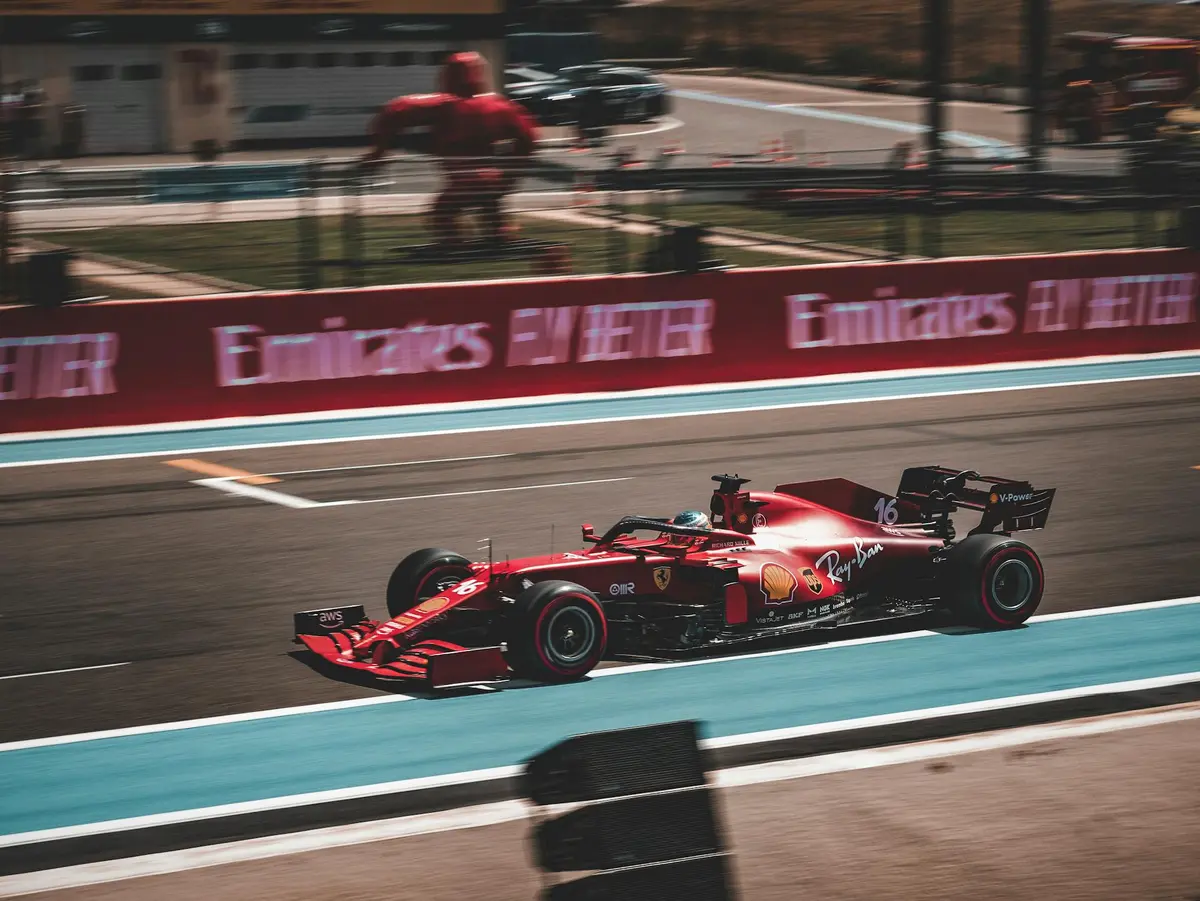
Ferrari introduces a purposeful upgrade package for the SF-26 at Suzuka, targeting aerodynamic efficiency and downforce consistency for the 2026 season.
Introduction: Ferrari’s Strategic Evolution at the Suzuka Grand Prix
As the 2026 Formula 1 season gathers momentum, the technical battleground has shifted to the iconic Suzuka International Racing Course for Round 3. Ferrari has arrived in Japan with a clear objective: to refine the SF-26 through a series of targeted Ferrari F1 upgrades. Following the opening rounds of this new regulatory era, the Scuderia, led by Frédéric Vasseur, is focusing on the nuances of aerodynamic efficiency rather than wholesale conceptual changes. With Charles Leclerc and Lewis Hamilton seeking to solidify their championship aspirations, these technical adjustments represent a pivotal moment in the team's early-season development curve, aiming to bridge the gap to the front of the grid by optimizing the car's interaction with Suzuka’s high-speed sweeps.
Detailed Analysis: Sharpening the SF-26’s Aerodynamic Edge
The Ferrari F1 upgrades introduced this weekend are described as "modest but purposeful," a phrase that suggests a deep dive into data correlation from the first two races. The primary focus is on sharpening the SF-26’s aerodynamic efficiency. In the context of the 2026 regulations, efficiency is no longer just about reducing drag; it is about how the car manages the transition between high-downforce cornering and low-drag straight-line performance. Central to this is the integration of Active Aero—the system of movable front and rear wings that adjust dynamically to optimize the car's lift-to-drag ratio. Ferrari’s latest tweaks likely involve the floor edge geometry and the wing endplates, designed to create a more stable vortex structure that remains consistent even under varying ride heights.
Extracting consistent downforce across a full lap of Suzuka is a monumental challenge. The circuit’s "S" Curves require a front end that is pinned and responsive, while the 130R demands absolute rear-end stability. By refining the underbody airflow, Ferrari aims to provide Leclerc and Hamilton with a more predictable platform. This predictability is crucial when drivers engage the Manual Override—a driver-controlled boost of electrical energy used for overtaking—as the sudden surge in power can upset a car that lacks aerodynamic poise. The SF-26’s new components are intended to mitigate the sensitivity of the ground-effect tunnels, ensuring that the downforce levels do not "stall" or fluctuate during high-lateral load phases.
Context: The 2026 Narrative and the Fight for Supremacy
The 2026 season represents the most significant technical shift in a generation, and Ferrari’s approach at Suzuka highlights the importance of incremental gains. While Red Bull and McLaren have shown formidable pace in the opening rounds, the championship remains wide open. Ferrari’s decision to bring these Ferrari F1 upgrades to Japan—a track known as a "true" aerodynamic test—signals confidence in their wind tunnel correlation. For Lewis Hamilton, still in the early stages of his Ferrari career, a more consistent SF-26 is vital for his adaptation to the Scuderia’s handling characteristics. Meanwhile, Charles Leclerc continues to push the limits of the 2026 power unit, and a more efficient aero package will allow him to preserve energy more effectively for use via the Boost Button (the physical interface used to trigger the 2026 ERS-K deployment) during critical qualifying laps.
Key Takeaways from the Suzuka Technical Update
- Efficiency Focus: The upgrades prioritize reducing parasitic drag without sacrificing the peak downforce required for Suzuka’s high-speed sectors.
- Consistency is King: Ferrari is targeting a wider operating window for the SF-26, making the car less sensitive to wind gusts and track surface changes.
- Driver Synergy: Both Leclerc and Hamilton have provided feedback leading to these refinements, specifically regarding mid-corner balance.
- Active Aero Optimization: The package includes software and minor hardware tweaks to better synchronize the movable wing elements with the 2026 power unit's energy recovery phases.
Frequently Asked Questions
How do the Ferrari F1 upgrades impact the SF-26's Active Aero systems?
The latest upgrades are designed to harmonize the physical wing movements with the car's overall aerodynamic balance. By refining the floor and endplate designs, Ferrari ensures that when the Active Aero transitions to a low-drag state on the straights, the car remains stable and recovers downforce instantly upon entering a braking zone.
Why did Ferrari choose Suzuka for their first major 2026 aerodynamic update?
Suzuka is a world-renowned benchmark for aerodynamic performance. Its combination of high-speed changes of direction and long straights provides the perfect data set for Ferrari to validate their 2026 development path and ensure the SF-26 is performing as predicted by their simulation tools.
How are Charles Leclerc and Lewis Hamilton benefiting from the new downforce consistency?
Consistency allows the drivers to trust the car's limit. For Leclerc, it enables more aggressive entries into high-speed corners, while for Hamilton, it provides the stable rear end he prefers for his late-braking style, ultimately leading to better tire management over a race distance.
Conclusion: Looking Ahead to the Suzuka Weekend
As we move into the competitive sessions of the Suzuka Grand Prix, all eyes will be on the timing screens to see if these Ferrari F1 upgrades translate into tangible lap time. In a season where the development race is as fierce as the action on track, Ferrari’s purposeful approach could be the key to unlocking the SF-26’s true potential. If the Scuderia can achieve the aerodynamic consistency they crave, they will not only challenge for the podium in Japan but also set a formidable foundation for the European leg of the 2026 championship. The battle between the scarlet cars and the rest of the grid is just beginning to heat up.