Ferrari F1 Power-Up: The 2026 Electric Revolution Crisis
Ferrari F1 faces an identity crisis as the 2026 50/50 electric power split draws 'Mario Kart' comparisons from Charles Leclerc and Max Verstappen.
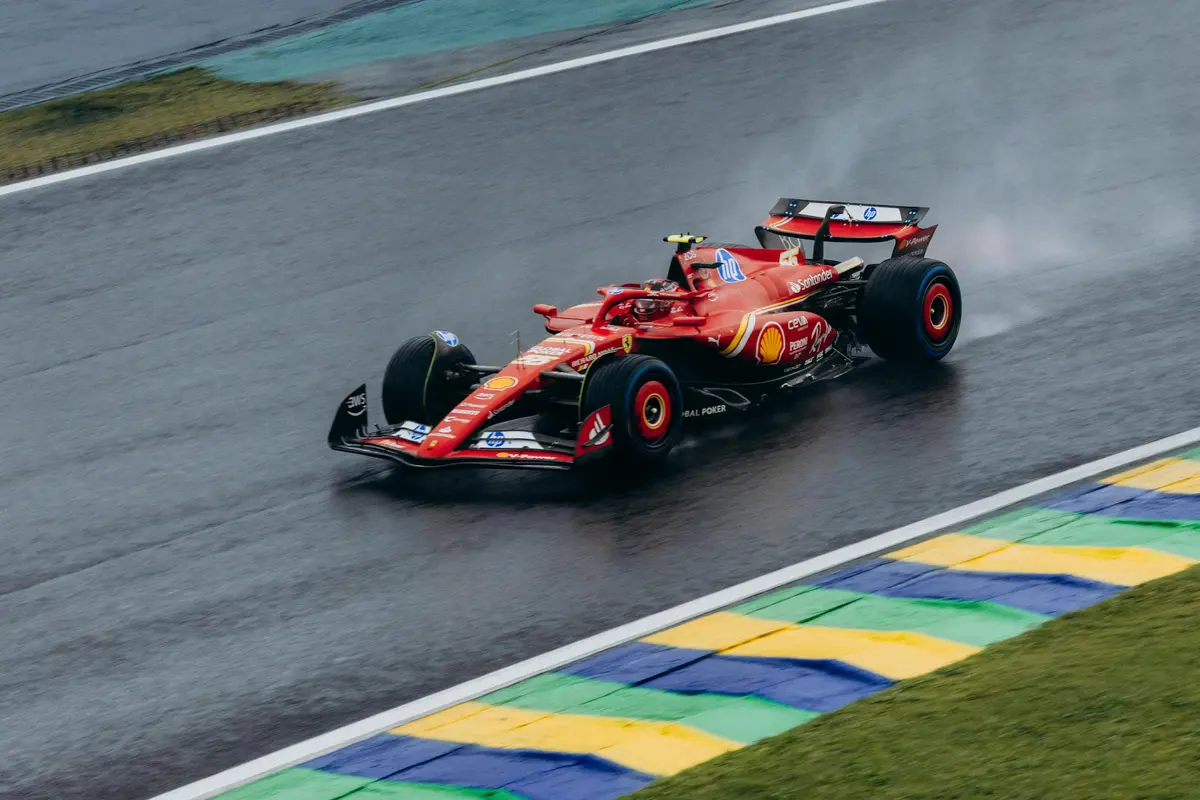
The 50/50 Split: Ferrari F1 at the Crossroads
As we settle into the opening stages of the 2026 Formula 1 season, the sport finds itself grappling with a fundamental shift in its DNA. Today, Wednesday, March 25, 2026, the paddock is buzzing with discussions regarding the new power unit regulations that have seen a dramatic 50/50 split between internal combustion and electrical power. For the Ferrari F1 team, this transition has been both a technical marvel and a source of significant frustration. The Scuderia, led by Frédéric Vasseur and featuring the powerhouse duo of Charles Leclerc and Lewis Hamilton, is currently navigating what many are calling an 'identity crisis' for the pinnacle of motorsport.
The core of the issue lies in the new energy management cycle: race, charge battery, and then deploy. This rhythmic style of racing has fundamentally altered how drivers approach wheel-to-wheel combat. The Ferrari F1 power-up—a colloquial term for the massive 350kW electrical deployment—has become the primary weapon in a driver's arsenal, but it comes at a cost. When the battery is depleted, the cars become significantly slower, leading to a 'sitting duck' scenario that has drawn sharp criticism from the cockpit.
Technical Breakdown: The 'Mario Kart' Mechanics
The comparison to arcade racing is not one the FIA likely hoped for, yet it is the one being voiced by the grid's most prominent figures. Both Max Verstappen and Ferrari’s own Charles Leclerc have likened the current state of racing to 'Mario Kart.' In this new era, the Ferrari F1 power-up is essentially the 2026 version of a 'Mushroom' boost. Drivers must strategically harvest energy, often sacrificing lap time in one sector to ensure they have the maximum 350kW available for the next straight. This is facilitated by the Manual Override mode, a 2026 technical feature that allows a following car to access extra electrical deployment to aid in overtaking.
From a technical standpoint, the Ferrari 067/1 power unit is a masterpiece of thermal efficiency, but the reliance on the MGU-K (Motor Generator Unit - Kinetic) is absolute. Unlike previous generations where the MGU-H helped maintain turbo speeds and energy flow, the 2026 units rely solely on kinetic recovery. This means that if a driver like Lewis Hamilton fails to harvest sufficiently during the braking zones, he is left defenseless against a Mercedes or Red Bull charging from behind. The Ferrari F1 power-up is no longer a luxury; it is a survival requirement. Furthermore, the integration of Active Aero—movable wing elements that reduce drag on straights—must be perfectly synchronized with this electrical deployment to prevent the car from hitting a 'power ceiling' where the drag exceeds the available torque.
The 2026 Narrative: Ferrari's Strategic Gamble
The 2026 season was supposed to be the year Ferrari reclaimed its throne, utilizing the combined expertise of Leclerc’s raw speed and Hamilton’s unparalleled race management. However, the 'charge and blast' nature of the current regulations has leveled the playing field in ways that don't always reward pure driving talent. The Ferrari F1 power-up strategy requires a level of cognitive load that is unprecedented. Drivers are constantly toggling between harvesting maps and deployment modes, often while traveling at 340 km/h.
The narrative of the season so far has been dominated by this 'identity crisis.' Is F1 still about the fastest car and driver, or has it become a game of energy management optimization? For Ferrari, the stakes are higher than most. With the 2026 grid featuring new giants like Audi and Cadillac, the Scuderia cannot afford to fall behind in the software race. The battle between the Ferrari SF-26 and its rivals is being fought as much in the simulation rooms in Maranello as it is on the asphalt. The ability to deploy the Ferrari F1 power-up at the exact millisecond it will yield the highest delta is now the difference between a podium and a mid-field finish.
Key Takeaways
- Energy Management: The 50/50 power split forces drivers into a 'charge and fire' cycle, fundamentally changing the flow of Grand Prix racing.
- Mario Kart Comparisons: Leading drivers, including Charles Leclerc, have criticized the 'power-up' nature of the 2026 regulations as being too artificial.
- Technical Complexity: The removal of the MGU-H has placed a massive burden on the MGU-K, making kinetic harvesting the most critical performance factor.
- Manual Override: This new-for-2026 boost button is the primary tool for overtaking, but it requires precise battery management to be effective.
Frequently Asked Questions
How does the Ferrari F1 power-up system differ from previous ERS?
The 2026 Ferrari F1 power-up system delivers nearly triple the electrical power of the 2025 units (350kW vs 120kW). However, because the MGU-H has been removed, the team must rely entirely on braking (MGU-K) to recharge the battery, leading to distinct 'harvesting' phases during a race lap.
Why did Charles Leclerc compare the Ferrari F1 power-up to Mario Kart?
Leclerc made the comparison because the 2026 regulations rely heavily on the Manual Override boost. Much like a power-up in a video game, the driver behind receives a significant, temporary speed advantage that can make overtaking feel scripted rather than a result of mechanical grip or driver skill.
How are Lewis Hamilton and Charles Leclerc managing the 50/50 power split?
The Ferrari duo is utilizing advanced steering wheel mapping to balance the 400kW from the internal combustion engine with the 350kW electrical output. Hamilton’s experience in energy-saving eras is proving vital in coaching the team on how to optimize the Ferrari F1 power-up without draining the battery too early in a wheel-to-wheel battle.
Conclusion
As we look toward the next rounds of this 2026 championship, the 'identity crisis' of Formula 1 shows no signs of abating. Ferrari finds itself at the heart of this revolution, balancing the prestige of its heritage with the digital demands of the modern era. The Ferrari F1 power-up has become the defining characteristic of the SF-26, for better or worse. Whether the FIA will tweak the energy deployment ratios to move away from the 'Mario Kart' feel remains to be seen, but for now, Leclerc and Hamilton must master the art of the electric surge if they are to bring the title back to Maranello. The 2026 season is a brave new world, and Ferrari is fighting to ensure it doesn't get left behind in the recharge.