Ferrari Miami GP Upgrade Strategy: New Championship Begins
Ferrari boss Fred Vasseur calls Miami GP the start of a 'new championship' as teams prepare to unleash major 2026 upgrades for the first time.
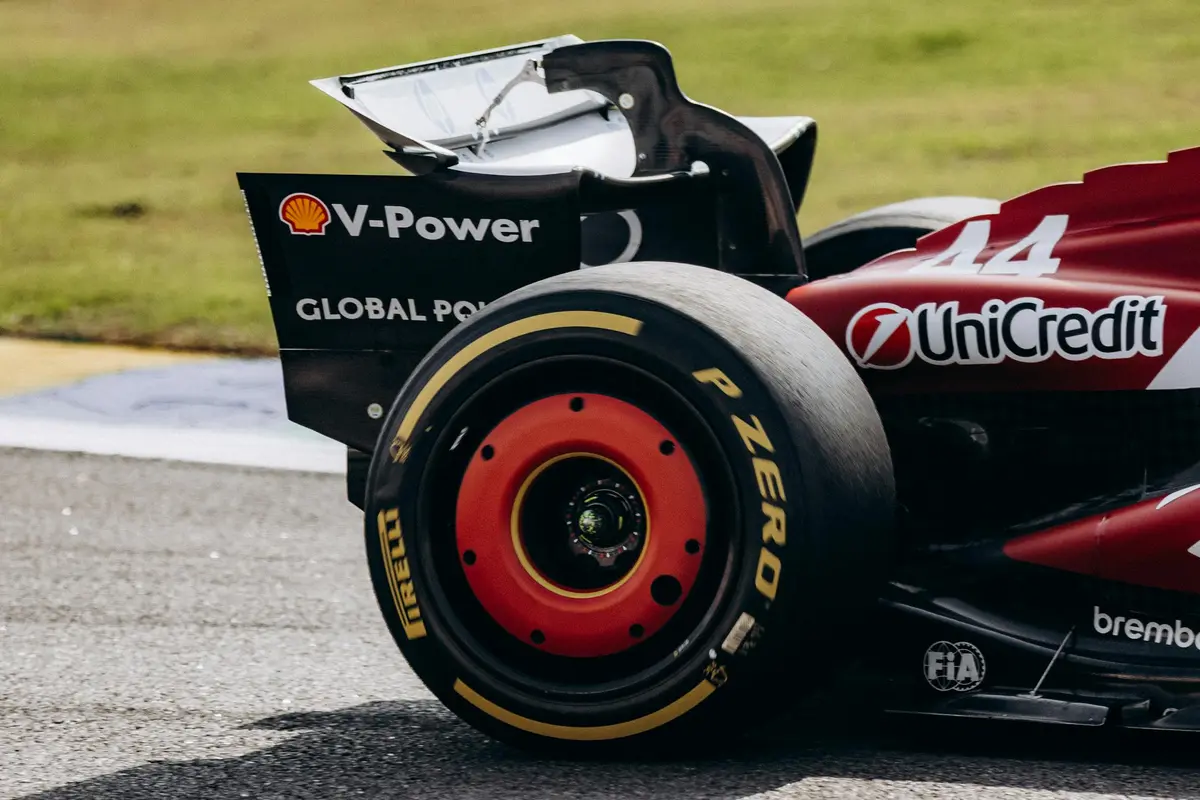
Ferrari Eyes Miami GP as the True Start of the 2026 Title Fight
Ferrari Formula 1 team principal Fred Vasseur has made a bold and strategically revealing declaration ahead of the 2026 season: the Miami Grand Prix in May will represent the beginning of a "new championship". Speaking with characteristic directness, Vasseur indicated that the first real wave of significant technical upgrades across the F1 grid will arrive at Miami, fundamentally reshaping the competitive order. While a handful of teams introduced incremental updates at the Japanese Grand Prix, the Scuderia and most other frontrunners have deliberately held back their most impactful development packages. Miami, it seems, is where the 2026 title fight truly ignites.
Detailed Analysis: Why the Ferrari Miami GP Upgrade Window Matters
The concept of a mid-season upgrade window is nothing new in Formula 1, but the 2026 regulations — which introduced sweeping aerodynamic and power unit changes — have amplified its significance to an extraordinary degree. Teams have been navigating a steep learning curve since the season opener, gathering crucial data on how the new regulations translate into real-world performance. The Ferrari Miami GP upgrade package, along with those from rival teams, represents the first genuine opportunity to apply that learning at a macro scale.
Vasseur's choice of language — teams will "push like crazy" — signals not just Ferrari's intent but an industry-wide arms race that will detonate in Miami. In the 2026 era, the new Active Aero systems (aerodynamic surfaces that dynamically adjust their angles during a lap to optimise drag and downforce without driver input) mean that upgrades are not merely about bolting on new bodywork. They require deeply integrated software recalibration, which makes the development cycle longer and the leap between versions more pronounced. This is precisely why teams have been cautious about introducing piecemeal changes too early.
For Ferrari specifically, the implications are enormous. Charles Leclerc and Lewis Hamilton represent one of the most formidable driver pairings on the grid, and any meaningful step forward in car performance will unlock their individual abilities to an even greater extent. Hamilton, in particular, arrives at Ferrari with decades of championship experience and an intimate understanding of what a competitive car needs to feel like. If the Ferrari Miami GP upgrade delivers the aerodynamic and mechanical balance improvements the team is targeting, the Scuderia could rapidly transform from a race contender into a genuine championship threat.
It is also worth noting the strategic calculus at play here. By delaying major upgrades until Miami, Ferrari avoids the risk of introducing half-developed components that could compromise early-season reliability or generate misleading data. The Japanese Grand Prix served as a further data-collection exercise in that sense — refining simulations, validating models, and building the engineering confidence needed to green-light a substantial upgrade push. The Ferrari Miami GP moment, therefore, is not impulsive; it is the product of deliberate, methodical preparation.
Context: The 2026 Season Narrative and the Upgrade Race
The 2026 Formula 1 season has already proven to be one of the most technically dynamic in recent memory. The wholesale regulation overhaul — covering both the aerodynamic framework and the new hybrid power unit architecture — has compressed the natural performance hierarchy that typically defines the early rounds of a season. In this environment, Vasseur's framing of Miami as a "new championship" carries real weight. Several teams that looked strong at the season opener may find themselves outpaced by rivals who have invested more heavily in second-phase development.
McLaren's Lando Norris and Oscar Piastri, Red Bull's Max Verstappen, and Mercedes' George Russell will all be arriving in Miami with their own upgrade agendas. The Ferrari Miami GP upgrade battle is therefore not a bilateral contest — it is a multi-team explosion of development that will redraw the competitive map. For Ferrari, the stakes are uniquely high: the team has the talent in Leclerc and Hamilton, the resources of one of F1's most storied constructors, and now, according to their own team boss, a very specific moment circled on the calendar.
Key Takeaways
- Ferrari team boss Fred Vasseur has identified the Miami Grand Prix as the starting point of a "new championship", driven by the first major wave of upgrade packages across the grid.
- Most frontrunners, including Ferrari, deliberately held back significant upgrades at the Japanese Grand Prix, preferring to arrive in Miami with more complete and validated development packages.
- The 2026 Active Aero regulations make upgrade integration more complex, meaning each development step requires deep software recalibration alongside physical bodywork changes — raising the stakes for the Miami upgrade window.
- Charles Leclerc and Lewis Hamilton stand to benefit enormously from any meaningful Ferrari performance step, given their combined ability to extract the maximum from a competitive car.
Frequently Asked Questions
What upgrades is Ferrari planning to bring to the 2026 Miami Grand Prix?
While Ferrari has not publicly detailed the specific components in their Miami upgrade package, team principal Fred Vasseur has confirmed that the Scuderia, like most frontrunners, has been holding back major development for Miami rather than introducing them piecemeal at earlier rounds such as the Japanese Grand Prix. The package is expected to address aerodynamic performance in line with learnings gathered across the opening phase of the 2026 season.
Why does Fred Vasseur believe the Miami GP is a "new championship" for Ferrari?
Vasseur's framing reflects the fact that the 2026 regulation overhaul has created a compressed, data-intensive opening phase where teams prioritise learning over winning. Miami represents the first realistic opportunity for all major teams to deploy substantial, validated upgrades simultaneously — effectively levelling and then reshuffling the competitive order and making it the true beginning of the technical arms race.
How do Ferrari's 2026 Active Aero systems affect their upgrade development cycle?
The 2026 Active Aero regulations — which involve aerodynamic surfaces that dynamically adjust during a lap to balance drag and downforce — mean that physical upgrades must be accompanied by significant software and systems recalibration. For Ferrari, this makes each upgrade step more resource-intensive and time-consuming, which explains why the team has chosen to consolidate their development push into a single, high-impact moment at the Ferrari Miami GP rather than introducing changes incrementally.
Conclusion: Miami as Ferrari's Defining Moment
The Ferrari Miami GP upgrade window is shaping up to be one of the defining technical moments of the 2026 Formula 1 season. Fred Vasseur's candid assessment that Miami marks the start of a new championship is not spin — it is an honest reflection of how this unprecedented regulatory era has reshaped the F1 development calendar. With Leclerc and Hamilton waiting in the wings and Ferrari's engineers reportedly working at full intensity, all eyes will be on the Scuderia when the first practice sessions begin in Miami. The championship, as Vasseur sees it, starts there. And Ferrari intend to be ready.