Ferrari Suzuka Qualifying: Leclerc and Hamilton Face Q3 Setback
Ferrari's 2026 Japanese GP qualifying ended in frustration as Leclerc and Hamilton failed to deliver in Q3. Read our technical analysis of the Suzuka setback.
Introduction: Frustration at the Suzuka International Racing Course
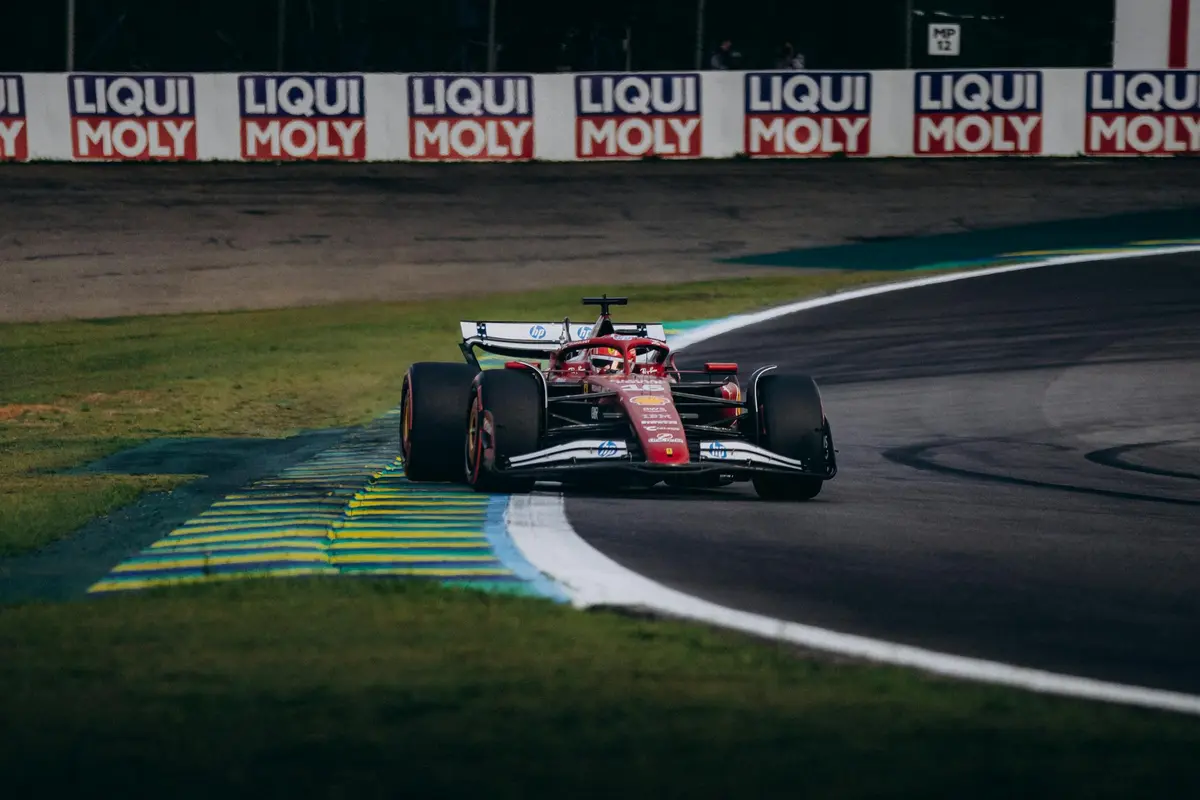
The 2026 Formula 1 season continues to deliver unpredictable drama, and the latest chapter unfolded today, March 29, 2026, during the Ferrari Suzuka Qualifying session. While the Scuderia entered the weekend with high expectations, the final results in Japan have left the team with a profound sense of unfinished business. Despite showing blistering pace in the early stages of the afternoon, both Charles Leclerc and Lewis Hamilton found themselves unable to extract the maximum performance from their machinery when it mattered most in Q3. This missed opportunity at one of the calendar's most technical circuits raises critical questions about Ferrari's execution under the pressure of the new 2026 technical regulations.
Detailed Analysis: The Q3 Performance Drop-Off
The Ferrari Suzuka Qualifying campaign began with immense promise. In Q1 and Q2, the Ferrari SF-26 appeared to be the class of the field in the first sector. The car's integration of Active Aero—the 2026 system that adjusts wing angles in real-time to optimize drag and downforce—seemed perfectly calibrated for the high-speed 'S' Curves. Charles Leclerc, in particular, looked comfortable, frequently matching the sector times of Max Verstappen’s Red Bull. However, as the track temperature shifted slightly toward the end of the session, the balance of the car appeared to move away from the drivers.
In the final Q3 shootout, the technical nuances of the 2026 Power Units became the focal point. The 2026 regulations mandate a 50/50 power split between the Internal Combustion Engine (ICE) and electric energy. Reports from the paddock suggest that Ferrari struggled with the deployment of the Manual Override—a driver-controlled power boost available at high speeds to aid overtaking and qualifying laps. Lewis Hamilton was heard on the radio complaining about a lack of 'top-end deployment' on the run toward 130R, suggesting that the energy recovery system may have been derating prematurely. This technical hiccup prevented both drivers from improving on their final flying laps, leaving them further down the grid than their early-session form suggested.
Context: The 2026 Championship Narrative
As we progress through this inaugural season of the new regulations, the Ferrari Suzuka Qualifying result serves as a reminder of how narrow the operating windows have become. Ferrari is currently locked in a three-way battle with Red Bull and McLaren for supremacy. With Max Verstappen and his rookie teammate Isack Hadjar showing remarkable consistency, Ferrari cannot afford these 'unfinished' sessions. For Lewis Hamilton, this weekend was supposed to be a statement of intent at a track where he has historically excelled. Instead, he and Leclerc will have to rely on the SF-26's race pace to salvage a podium on Sunday.
The 2026 grid is more competitive than ever. With Audi and Cadillac entering the fray, the mid-field has compressed, meaning any mistake in Q3 can result in losing three or four grid positions. Ferrari’s Team Principal, Frédéric Vasseur, noted after the session that while the raw speed is present, the operational refinement required to beat a perfected Red Bull package is still a work in progress. The team must now look at their tire degradation data, as Suzuka is notoriously hard on the left-front tire, to ensure they don't fall further back during the Grand Prix.
Key Takeaways
- Early Pace vs. Final Execution: Ferrari dominated the early timing screens but failed to adapt to track evolution in the final minutes of Q3.
- Technical Hurdles: Issues with the Manual Override deployment and Active Aero calibration hindered Hamilton and Leclerc's final runs.
- Championship Implications: Starting behind the Red Bulls and McLarens puts Ferrari at a strategic disadvantage for the race.
- Driver Feedback: Both drivers reported a shift in car balance, pointing toward a narrow setup window for the SF-26.
Frequently Asked Questions
Why did Ferrari struggle in the final stage of Ferrari Suzuka Qualifying?
Ferrari's struggles were primarily attributed to a failure to adapt to track evolution and issues with the Manual Override energy deployment. While the car was fast in Q1, the energy recovery system did not provide the necessary boost in the final Q3 runs, leaving Leclerc and Hamilton vulnerable on the straights.
How does the 2026 Active Aero affect Ferrari's performance at Suzuka?
Active Aero is crucial at Suzuka because it allows the car to have high downforce in the Sector 1 'S' Curves and low drag on the back straight. Ferrari's system appeared well-tuned for the corners, but the transition between aero modes may have contributed to the instability Hamilton reported during his final lap.
What are the expectations for Charles Leclerc and Lewis Hamilton in the race?
Despite the qualifying setback, Ferrari's long-run pace in practice was competitive. The team expects to fight for a podium, provided they can manage tire wear effectively and utilize the 2026 overtaking aids to move past the McLarens early in the race.
Conclusion: Looking Ahead to Race Day
While the Ferrari Suzuka Qualifying session ended in disappointment, the weekend is far from over. The Scuderia has shown that the fundamental speed of the SF-26 is high, and Suzuka is a circuit that rewards brave racing and clever strategy. For Charles Leclerc and Lewis Hamilton, the focus now shifts to Sunday's Grand Prix, where they must overcome their grid positions to keep their championship aspirations alive. If the team can resolve the energy deployment issues seen in Q3, a podium finish remains a realistic goal. The Tifosi will be watching closely to see if Ferrari can turn 'unfinished business' into a triumphant comeback.