F1 2026 April Break: Teams Push Development With No Shutdown Rules
The cancellation of Bahrain and Saudi Arabia created an unregulated April development window — unlike summer or winter shutdowns, no rules stop F1 teams from working.
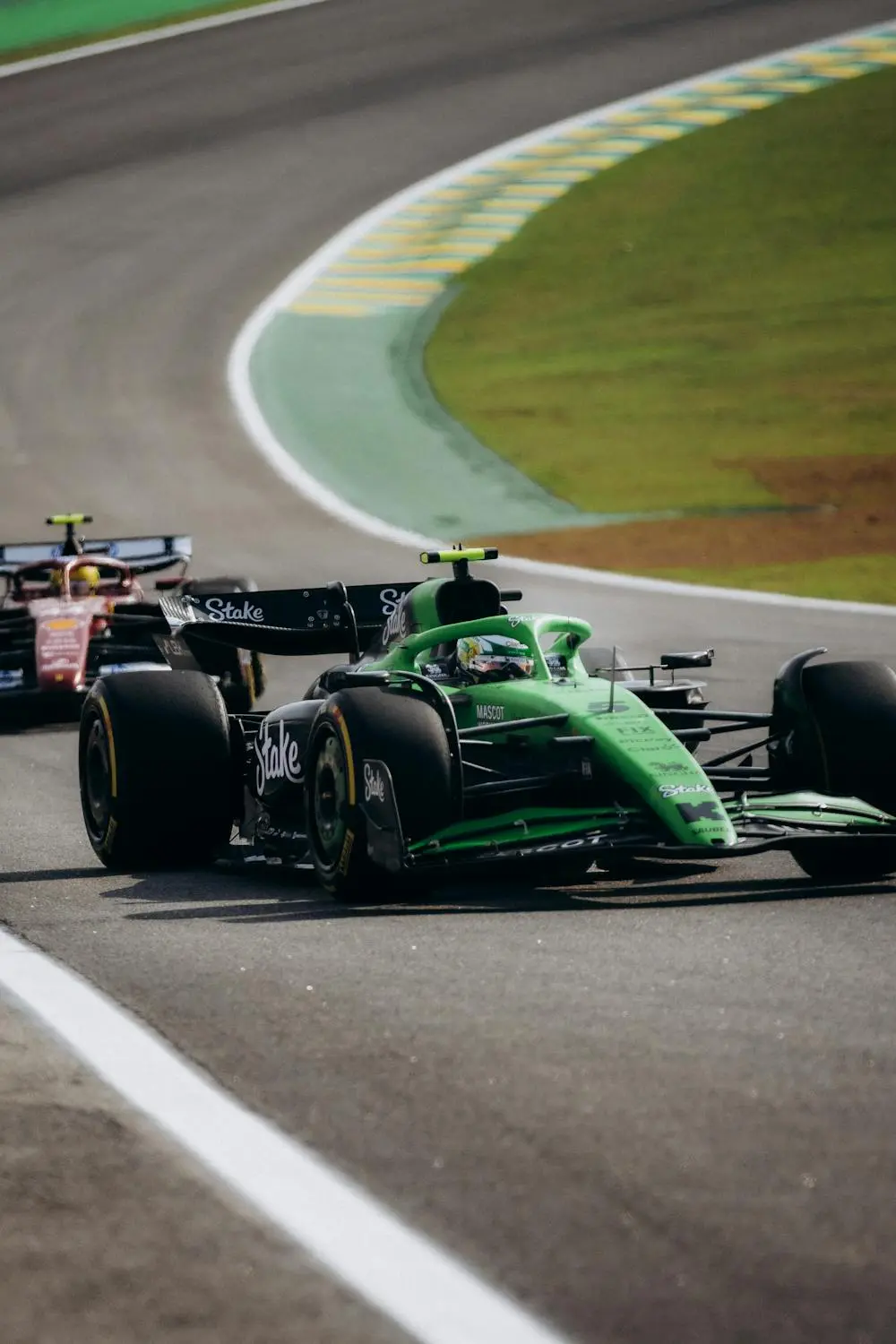
F1 Teams Exploit April Break With Unrestricted Development Push
Formula 1's unexpected April break — triggered by the cancellation of the Bahrain and Saudi Arabian Grand Prix rounds — has created a rare and unrestricted development window for all eleven teams on the 2026 grid. Unlike the sport's mandated summer and winter factory shutdowns, no regulatory framework exists to prevent teams from continuing full-scale work during this unscheduled hiatus. That absence of restrictions has turned an unfortunate scheduling disruption into a potential turning point in the 2026 constructors' championship battle.
Why This April Break Development Window Is Unique
Under normal circumstances, Formula 1's sporting regulations enforce strict factory shutdown periods during the summer and at the end of the season. These shutdowns are designed to level the playing field by limiting the resources wealthier teams can deploy in downtime. However, the April break resulting from the cancellation of the Bahrain and Saudi Arabian rounds exists entirely outside those regulated periods.
According to reporting from Autosport, there are no rules preventing teams from powering on with developments during this window. That means factories, simulators, wind tunnels, and dyno facilities can all run at full capacity — and the teams most capable of doing so stand to gain a measurable advantage when racing resumes.
The scope of development work being undertaken spans multiple disciplines. Teams are reportedly addressing issues across their car, engine, software, and other critical systems, suggesting that the April break is not being treated as a holiday but rather as a compressed pre-season-style testing and development sprint.
Technical Areas Under the Microscope in 2026
Aerodynamics and Active Aero Systems
The 2026 season introduced sweeping regulatory changes, including the new active aerodynamics framework — a system that demands sophisticated software integration between the car's aerodynamic surfaces and its power unit deployment. Teams still getting to grips with the nuances of this system have a genuine opportunity to advance their understanding without the pressure of a race weekend looming. CFD runs, wind tunnel sessions, and simulator correlation work can all proceed uninterrupted.
Power Unit Development
With 2026 marking the introduction of the new power unit regulations — featuring a significantly enhanced electrical component relative to the internal combustion engine — some manufacturers entered the season with known areas of weakness. The April break gives engine departments additional time on the dyno, potentially closing gaps that were visible in the opening rounds of the season.
Software and Systems Integration
One of the most complex challenges of the 2026 technical era is integrating the overtake boost deployment system and active aero control into a seamless driver experience. Software engineers who would typically be consumed by race weekend preparation now have uninterrupted time to iterate, simulate, and validate updates — a workflow luxury that rarely exists during a normal race calendar.
Which Teams Stand to Gain the Most?
While every team on the 2026 grid — from McLaren and Ferrari to the newly debuted Cadillac operation and Audi's rebranded entry — is theoretically free to develop without restriction, the reality is that resource-rich outfits with larger engineering departments can sustain a more intensive development programme across an extended break. Teams with identified performance deficits heading into the break carry both the greatest urgency and, potentially, the greatest opportunity for transformative gains.
The cancellation of Bahrain and Saudi Arabia also means that some teams with race-weekend-specific problems — whether setup correlation issues or reliability concerns — have been spared early-season attrition while simultaneously gaining time to solve those problems before competitive running resumes.
Broader Implications for the 2026 Championship
The unpredictability introduced by this unregulated development window adds a compelling layer of intrigue to the 2026 season narrative. Championship standings and performance hierarchies established in the opening rounds could look markedly different once the field reconvenes. Upgrades that might have been spread across several race weekends could arrive in a concentrated package, potentially reshuffling the competitive order in a single stroke.
For fans and analysts alike, the first race back will serve as a critical data point — not just for raw lap times, but for understanding which teams used the April break most effectively. The 2026 constructors' battle, already set against the backdrop of radical new regulations, new entrants, and a reshuffled driver market, has gained another unpredictable variable.
Key Takeaways
- The Bahrain and Saudi Arabian GP cancellations created an unscheduled April break with no regulatory shutdown restrictions applying to any team.
- All eleven F1 teams are free to develop their cars, engines, software, and systems at full capacity during this window.
- Development work spans aerodynamics, power unit performance, and complex software integration — critical areas under the new 2026 technical regulations.
- Resource-rich teams are best positioned to maximise the opportunity, but all teams have an incentive to compress as much progress as possible into the break.
- The first race back will be a telling indicator of which teams extracted the most value from this rare, unrestricted development period.
- Unlike summer and winter shutdowns, no sporting regulation limits factory activity during this specific April break.
Frequently Asked Questions
Why were the Bahrain and Saudi Arabian Grand Prix rounds cancelled in 2026?
The source material does not specify the reasons behind the cancellation of the Bahrain and Saudi Arabian rounds. The key confirmed detail is that their cancellation created an unexpected April break outside of the sport's normal regulated shutdown periods.
Are there any restrictions on what F1 teams can develop during the April break?
According to Autosport, unlike the formal summer and winter shutdowns — which carry strict factory closure rules — there are no regulations preventing teams from continuing full development work during this unscheduled April break. Teams are free to work on cars, engines, software, and any other area of their programme.
How could the April break development window affect the 2026 F1 constructors' championship?
The unregulated development window means teams could introduce significant performance upgrades in a concentrated period, potentially reshuffling the competitive hierarchy when racing resumes. Teams that entered the break with identified weaknesses — and have the resources to address them — could return to the grid meaningfully stronger, making the first race back one of the most analytically important events of the 2026 season.
Conclusion
The unexpected April break brought about by the cancellation of the Bahrain and Saudi Arabian rounds has inadvertently handed every F1 team an unrestricted development sprint at a pivotal early stage of the 2026 season. With no shutdown rules in play, the factories, simulators, and dyno bays are running at full throttle. When the grid reassembles, the results of those unseen hours of engineering work will begin to reveal themselves — and the 2026 F1 championship picture could look very different as a result.
In this article