Cupra Kiro at the 2026 Madrid E-Prix: Full Race
Cupra Kiro faced unique home-race pressure at the 2026 Madrid E-Prix, with Ticktum and Marti chasing points on Spanish soil. Here's the full breakdown.
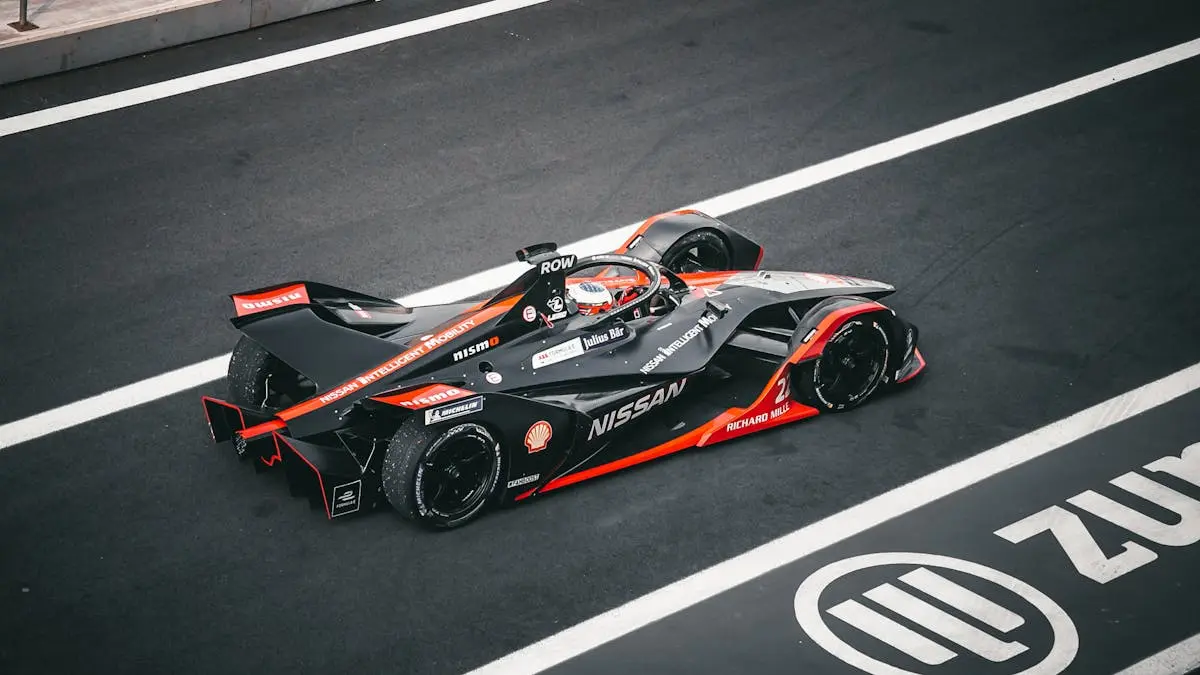
Cupra Kiro Takes Centre Stage at the 2026 CUPRA Raval Madrid E-Prix
The 2026 CUPRA Raval Madrid E-Prix delivered one of the most compelling chapters of the Formula E season, and for Cupra Kiro, the home race carried enormous symbolic and competitive weight. With the Madrid street circuit serving as a fitting backdrop for the Spanish-branded outfit, all eyes were on Dan Ticktum and Pepe Marti to leverage home advantage on a circuit that demands both technical precision and aggressive race strategy. The full race broadcast confirmed Madrid as one of the season's marquee events, and Cupra Kiro's performance in front of a passionate Spanish crowd will have lasting implications for the championship standings.
Detailed Race Analysis: Cupra Kiro's Madrid Challenge
Home Circuit Dynamics and Strategic Positioning
Racing in Madrid is a uniquely pressured environment for Cupra Kiro. As a brand deeply rooted in Spanish automotive culture — Cupra being a performance sub-brand of SEAT — the Madrid E-Prix is not simply another round on the calendar. It is a statement race, a marketing centrepiece, and a genuine competitive proving ground rolled into one. For Ticktum and Marti, the expectations are magnified, and the tactical decisions made during the race carry additional scrutiny.
The Gen3 Evo machinery that all teams are running in Season 12 places a premium on energy management and the intelligent deployment of Attack Mode — a timed power boost activated by driving through designated off-racing-line zones, temporarily unlocking additional kilowatts above the standard 350kW (470hp equivalent) ceiling. On a tight Madrid street circuit, the timing of Attack Mode activations relative to rival deployments is often race-defining. Cupra Kiro's engineers will have spent significant preparation time modelling the optimal activation windows based on the circuit's layout and the anticipated traffic patterns during the race.
Active AWD and Qualifying Leverage
One of the defining technical features of the Gen3 Evo era is the availability of Active All-Wheel Drive (AWD) — a system that engages front-axle motor assistance during qualifying laps, race starts, and Attack Mode phases, providing superior traction out of the slow-speed corners that characterise Madrid's urban layout. For Cupra Kiro, extracting the maximum from the AWD system at the race start was critical. Any hesitation or wheel-spin off the line in the compact street environment can cascade into positional losses that prove almost impossible to recover from given the circuit's limited overtaking opportunities.
Pepe Marti and the Home Hero Factor
Spanish driver Pepe Marti carries particular significance at the Madrid round. As a young talent representing a Spanish brand on home soil, Marti's performances in Madrid are watched closely by sponsors, manufacturers, and the local fanbase alike. His racecraft, consistency under pressure, and ability to manage tyre-equivalent energy loads across a full race distance will be key metrics that the Cupra Kiro engineering staff evaluate as they plan the second half of the Season 12 calendar. Dan Ticktum, the more experienced of the two, serves as a tactical anchor — his ability to read developing race situations and relay real-time feedback via the pit wall radio is an asset that complements Marti's raw pace.
Context: Cupra Kiro's 2026 Season Narrative
The 2026 Formula E season represents a pivotal moment for Cupra Kiro. Operating as a rebranded and reinvigorated entry, the team is in a critical phase of building competitive infrastructure ahead of the Gen4 era, which is set to debut next season. Every race in Season 12 serves as a development datapoint, informing technical decisions that will shape their Gen4 programme. Madrid, as a race that carries heightened brand visibility for Cupra, provides the team with a platform not only to score championship points but to demonstrate to stakeholders that their Formula E project is on an upward trajectory. The pressure is constructive rather than crushing — this is a team building toward something larger, and the Madrid E-Prix is a key milestone on that journey.
Key Takeaways
- Home Race Pressure: The Madrid E-Prix holds unique commercial and competitive significance for Cupra Kiro as a Spanish-branded team racing on home soil.
- Attack Mode Strategy: Optimal timing of Attack Mode activations on the tight Madrid street circuit was a defining factor in Cupra Kiro's race strategy.
- Pepe Marti's Profile: The Spanish driver's performance in front of a home crowd carries outsized significance for the team's sponsor and manufacturer relationships.
- Gen4 Development Context: Every Season 12 result feeds into Cupra Kiro's technical preparation for next season's new-generation Gen4 regulations.
Frequently Asked Questions
How does Cupra Kiro use Attack Mode differently from rival Formula E teams?
Cupra Kiro's approach to Attack Mode deployment is shaped by their specific powertrain characteristics and the strategic preferences of their drivers. On circuits like Madrid, where track position is difficult to recover once lost, the team often prioritises early or aggressive Attack Mode timing to build a buffer rather than banking the boost for defensive use later in the race.
What does the 2026 Madrid E-Prix mean for Pepe Marti's Formula E career development?
For Pepe Marti, Madrid represents a defining home race that directly impacts his profile within the Cupra Kiro programme and the broader Formula E paddock. Strong performances at the Madrid E-Prix can accelerate his standing in contract negotiations and increase his visibility with potential future team partners as the grid evolves into the Gen4 era.
How is Cupra Kiro preparing for the transition from Gen3 Evo to Gen4 Formula E machinery?
Cupra Kiro is using every remaining round of Season 12, including the Madrid E-Prix, to gather powertrain data, refine driver development pathways, and establish technical benchmarks that will inform their Gen4 car programme. The team's performance trajectory in 2026 is as much about future-proofing as it is about current championship points.
Conclusion: Looking Ahead for Cupra Kiro
The 2026 CUPRA Raval Madrid E-Prix has underlined just how strategically important this race is for Cupra Kiro beyond the simple metrics of finishing position. As the Season 12 calendar progresses and the grid's focus gradually shifts toward Gen4 preparations, every competitive outing provides the team with irreplaceable real-world data and visibility. For Ticktum and Marti, the lessons absorbed on the Madrid streets will feed directly into their approach at upcoming rounds. With the Gen4 era on the horizon and a growing sense of purpose within the Cupra Kiro garage, the team's trajectory heading into the final phase of Season 12 bears close watching.