Alpine's Colapinto Defends Role in Bearman Japanese GP Clash
Franco Colapinto has denied being the direct cause of the scary shunt that sent Oliver Bearman to the F1 medical centre at the Japanese GP.
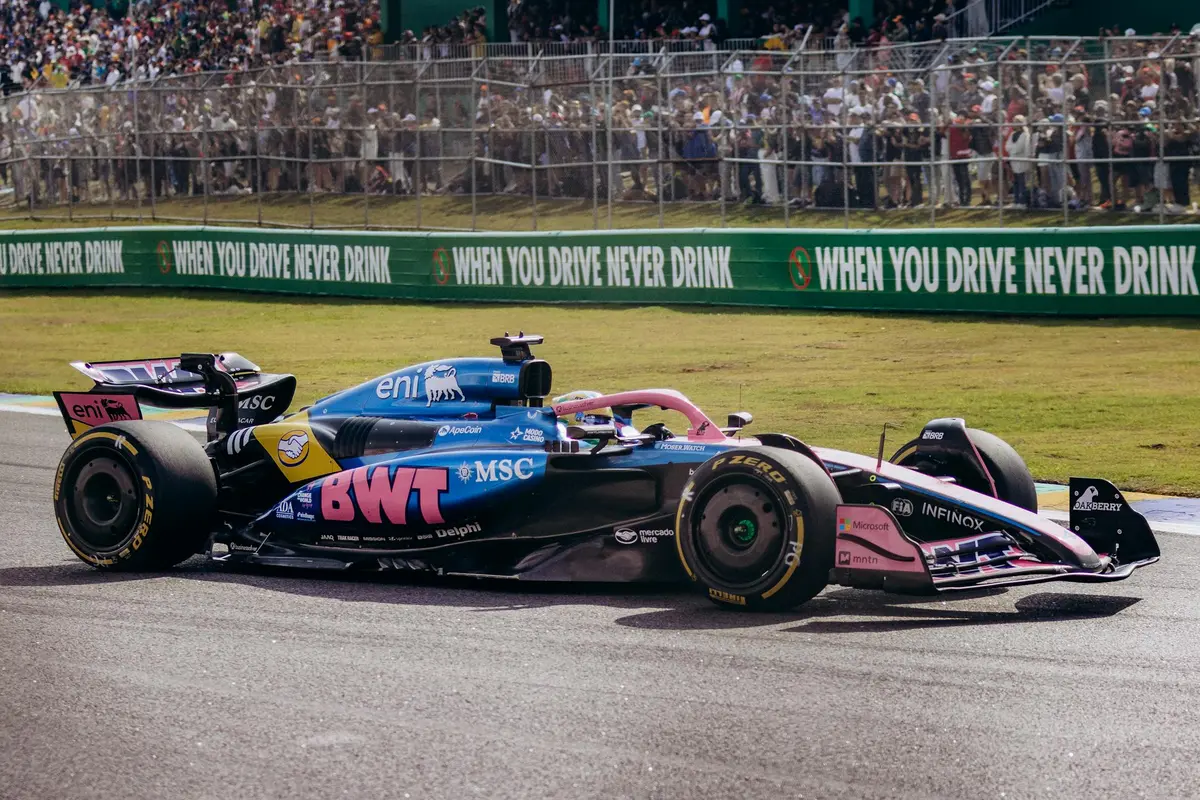
Alpine's Colapinto Speaks Out After Bearman Incident at the Japanese GP
Franco Colapinto, Alpine's Argentine racer, has firmly denied being the primary cause of the frightening collision that sent TGR Haas driver Oliver Bearman to the F1 medical centre during Sunday's Japanese GP. The incident, described by observers as 'really dangerous', immediately ignited debate in the paddock about racing responsibility, car placement, and the fine margins that separate hard racing from recklessness at the highest level of motorsport. Colapinto's public defence places the Alpine driver at the centre of one of the most controversial moments of the 2026 Formula 1 season to date, raising serious questions about race-incident adjudication and driver accountability.
Detailed Analysis: What Happened and Why It Matters
The Nature of the Colapinto Bearman Japanese GP Incident
Based on the available information, the Colapinto Bearman Japanese GP shunt was severe enough to require Bearman's immediate transfer to the F1 medical centre — a protocol reserved for impacts deemed potentially injurious. The very fact that medical intervention was initiated underscores the seriousness of the contact. In modern Formula 1, the medical car and medical centre procedures are only triggered when on-site marshals and the FIA medical delegate determine that a driver's condition warrants evaluation beyond trackside first aid. That Bearman required this level of attention is a significant detail that the stewards will have weighed heavily.
Colapinto's defence centres on the word 'direct' — he has not denied involvement in the sequence of events, but rather contests being the singular, direct cause. This is a meaningful legal and sporting distinction in F1 adjudication. Stewards in 2026 operate under updated FIA Sporting Regulations that assess 'primary causation' and 'contributory factors' separately. If Colapinto can demonstrate that another variable — a third car, a track condition, or Bearman's own line choice — contributed materially to the shunt, his culpability could be reduced or shared. The stewards' verdict, and any associated penalty, will hinge on telemetry data, onboard footage, and witness statements from both drivers.
Alpine's Broader Strategic Position
For the Alpine F1 team, this incident arrives at a sensitive juncture. With Pierre Gasly providing the team's senior experience and Colapinto still establishing himself in a full-season F1 role in 2026, any penalty — whether a time sanction, grid drop, or championship points deduction — carries disproportionate weight. A grid penalty at the next race would strip Alpine of hard-fought track position that a team of their current competitiveness cannot easily recover. Furthermore, repeat incidents involving a driver can trigger escalating licence penalty points, a threshold management issue that team principals monitor closely throughout the season.
Alpine's technical and strategic staff will also be reviewing the contextual circumstances rigorously. Understanding whether the car's active aerodynamic systems — the continuously adjustable bodywork elements that govern downforce and drag under the 2026 technical regulations — played any role in proximity management at high speed is part of a thorough post-race debrief. Active aero refers to the moveable aerodynamic surfaces introduced under 2026 rules that automatically adjust to optimise airflow, and any unexpected deployment during the incident sequence could form part of Colapinto's defence narrative.
Context: The 2026 Season Narrative
The 2026 Formula 1 season has already demonstrated that the new technical regulations — combining revised active aerodynamics with the updated hybrid power unit architecture — have produced closer, more unpredictable racing. Tighter car proximity through corners and under braking has increased the frequency of contact events compared to recent seasons. Against this backdrop, the Colapinto Bearman Japanese GP incident is not an isolated aberration; it is symptomatic of the competitive intensity that the 2026 ruleset has generated across the midfield. Alpine, competing against well-resourced rivals such as Audi, Cadillac, and the Racing Bulls outfit, understands that points and reputations are won and lost in the margins. How the team and Colapinto navigate the fallout from this controversy will be a defining test of Alpine's 2026 character.
Key Takeaways
- Colapinto denies direct fault: The Alpine driver contests being the sole cause of the shunt, a distinction that matters significantly in FIA stewards' proceedings.
- Bearman visited the medical centre: The severity of the impact was sufficient to require Oliver Bearman's evaluation at the F1 medical centre, confirming this was a serious incident.
- Stewards' verdict is pivotal: Telemetry and onboard data will determine whether Alpine's Colapinto receives a sporting penalty that could affect his championship standings.
- 2026 regulations context: The closer, more aggressive racing facilitated by new active aero rules has increased incident risk across the midfield, framing this crash within a wider trend.
Frequently Asked Questions
What is Alpine's official stance on Franco Colapinto's involvement in the Japanese GP incident?
While the team has not yet issued a formal collective statement as of the available information, Franco Colapinto himself has publicly denied being the direct cause of the collision with Oliver Bearman. Alpine will be expected to submit their evidence to the stewards as part of any formal investigation, and the team is likely supporting Colapinto's version of events internally while the process unfolds.
Could Franco Colapinto receive a grid penalty from the Alpine Colapinto Bearman Japanese GP incident?
Yes, a grid penalty is one of the potential outcomes if the stewards determine that Colapinto bore primary or significant responsibility for the crash. Under 2026 FIA regulations, causing a collision that results in another driver requiring medical attention is treated with particular seriousness, and penalties can range from a five-second time penalty to a multi-place grid drop at the following race, along with licence penalty points.
How does the Japanese GP clash affect Alpine's 2026 constructors' championship ambitions?
Any sporting penalty handed to Colapinto would directly impact Alpine's constructors' points tally if race results are amended. More broadly, a grid penalty at the next race would reduce Alpine's ability to score in the midfield battle, where the team relies heavily on consistent point finishes from both Gasly and Colapinto to remain competitive against rivals like Audi and the Racing Bulls.
Conclusion: What Comes Next for Alpine
The aftermath of the Colapinto Bearman Japanese GP incident will play out in the stewards' room and, potentially, in the court of public opinion over the coming days. For Alpine, the priority is clear: ensure Colapinto's defence is comprehensive, supported by all available technical data, and that the team emerges with minimal sporting damage. Looking ahead, the next round of the 2026 championship presents an immediate opportunity for redemption — provided Colapinto avoids any grid penalty. How Alpine manage this moment will say much about the team's maturity and resolve in what is shaping up to be a fiercely competitive season.