Best Looking F1 1994 Cars: Icons Revisited in 2026
F1's 2026 mid-season break sparks a vivid look back at the most iconic and beautiful cars from the legendary 1994 grid.
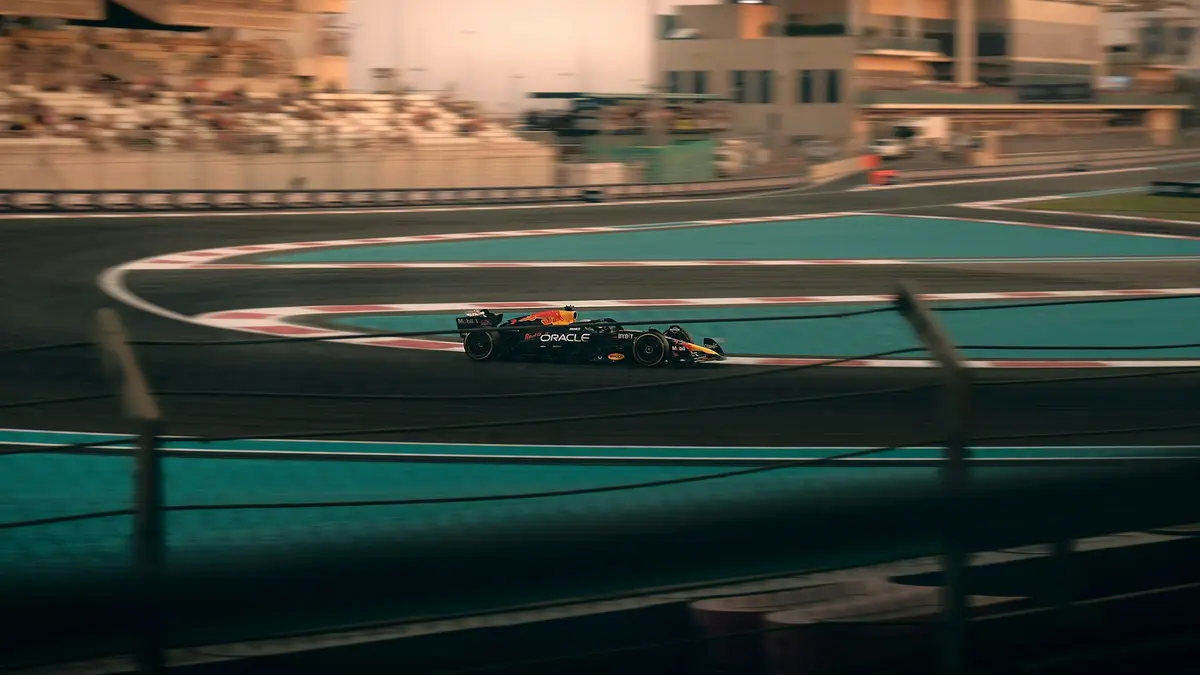
F1's Enforced Break Sparks a Look at the Best Looking F1 1994 Cars
As the 2026 Formula 1 season takes a rare breath between race weekends, fans and analysts alike are taking the opportunity to look back at some of the sport's most visually arresting machinery. The best looking F1 1994 cars have emerged as a natural focal point for this nostalgic detour — and for good reason. The 1994 season remains one of the most turbulent, emotionally charged, and technically fascinating in the sport's history. With the 2026 grid now featuring an entirely new generation of active aerodynamic machinery, the contrast with those iconic early-1990s silhouettes is more striking than ever.
Why the 1994 F1 Grid Was Visually Extraordinary
The best looking F1 1994 cars represent a very specific aesthetic moment in motorsport design. By 1994, teams had spent the late 1980s and early 1990s pushing the boundaries of composite materials, high-nosed chassis architecture, and sweeping aerodynamic bodywork. The FIA's sweeping ban on active suspension, traction control, and driver aids ahead of 1994 forced engineers to pour their creativity into visible, physical design solutions — meaning the cars wore their engineering ambition on the outside.
The Williams FW16, though tragically linked to the loss of Ayrton Senna at Imola, was a masterpiece of early-1990s aerodynamic thinking. Its high nose, sculpted sidepods, and sinuous Rothmans livery made it one of the most photographed cars of the decade. The Benetton B194 — which carried Michael Schumacher to his first World Championship — was another study in purposeful, aggressive design, with its characteristically sharp front wing endplates and vivid Mild Seven blue and yellow livery.
Ferrari's 412T1 brought Italian drama to the grid in its traditional Scuderia red, while the McLaren MP4/9, running the Ford HB V8 in a transitional year for the Woking outfit, carried the timeless swooping McLaren identity that had defined the sport's most dominant team through the late 1980s. The Jordan 194, in its striking Sasol yellow and green, was widely regarded as one of the most aesthetically pleasing cars on the 1994 grid — a machine that balanced commercial vibrancy with genuine technical ambition.
Ligier, Tyrrell, Footwork, and Minardi also contributed a rich visual tapestry. The Tyrrell 022, for instance, showed how mid-field teams could still produce genuinely beautiful machinery even without the budgets of the frontrunners. This diversity of design philosophy is something the modern 2026 grid, while spectacular in its own right, has arguably narrowed through increasingly prescriptive technical regulations.
How 1994 Design Philosophy Connects to the 2026 F1 Era
The conversation about the best looking F1 1994 cars lands at a fascinating moment in 2026. This season introduced the most radical regulatory overhaul since 2022, with active aerodynamics — moveable bodywork systems that automatically adjust downforce levels depending on speed and cornering demands — now a central feature of every car on the grid. Active aero, defined as a system where bodywork elements physically articulate to optimise aerodynamic balance without direct driver input, has fundamentally reshaped how 2026 cars look and perform.
Teams like McLaren, Ferrari, Red Bull, and Mercedes have each interpreted the 2026 active aero regulations differently, leading to a new generation of visual diversity not seen since the early 1990s. Lando Norris and Oscar Piastri's McLaren, Charles Leclerc and Lewis Hamilton's Ferrari, and Max Verstappen's Red Bull all carry distinctive aerodynamic philosophies that echo — in a thoroughly modern way — the kind of design individualism that made the best looking F1 1994 cars so memorable.
The enforced break in the 2026 calendar has given the paddock's technical directors, designers, and fans a rare moment to pause and appreciate this longer design heritage. In a season already defined by fierce on-track competition, the retrospective appreciation of 1994's iconic machinery serves as a reminder of why aesthetics have always been inseparable from F1's identity.
Key Takeaways
- The best looking F1 1994 cars — including the Williams FW16, Benetton B194, Ferrari 412T1, and Jordan 194 — represent a golden era of open, individualistic chassis design.
- The 1994 season's ban on electronic driver aids forced engineers to express ambition through physical, visible design solutions, creating some of the most beautiful cars in F1 history.
- The 2026 active aero regulations have introduced a new era of visual diversity, drawing indirect but meaningful parallels to the design freedom of the early 1990s.
- F1's enforced calendar breaks offer a valuable opportunity for the sport to reconnect fans with its rich visual and technical heritage.
Frequently Asked Questions
Which car is considered the best looking F1 1994 car of the season?
While beauty is subjective, the Jordan 194 and Williams FW16 are most frequently cited as the best looking F1 1994 cars, praised for their balanced proportions, striking liveries, and the way their aerodynamic forms reflected genuine engineering purpose.
How did the 1994 F1 technical regulations influence car aesthetics?
The 1994 ban on active suspension and electronic driver aids pushed teams to invest heavily in passive aerodynamic design, resulting in highly sculpted bodywork, aggressive front wing architecture, and distinctive high-nose concepts that gave each car a unique visual identity.
How do the best looking F1 1994 cars compare to the 2026 F1 grid?
The 2026 grid, shaped by active aero regulations and new power unit rules, has produced a new wave of design diversity. While modern cars are heavier and more technologically complex, the individualism of each team's aerodynamic interpretation echoes the creative freedom that defined the best looking F1 1994 cars three decades ago.
Conclusion: Heritage and the Road Ahead in 2026
As the 2026 Formula 1 season resumes, the brief window of reflection on the best looking F1 1994 cars serves a deeper purpose than mere nostalgia. It reminds both the sport and its global audience that F1 has always been as much about visual drama as raw performance. With the 2026 grid producing its own set of iconic silhouettes — shaped by active aero, sustainable fuels, and entirely new power philosophies — the lineage stretching back to 1994 remains very much alive. When racing returns, the championship battle between Norris, Verstappen, Leclerc, Hamilton, and Russell will once again command all attention.