Bearman Crash Triggers FIA 2026 Rule Review for Haas
The FIA has launched a structured 2026 rule review after Oliver Bearman's heavy Japan crash, with multiple April meetings set to shape TGR Haas F1's season.
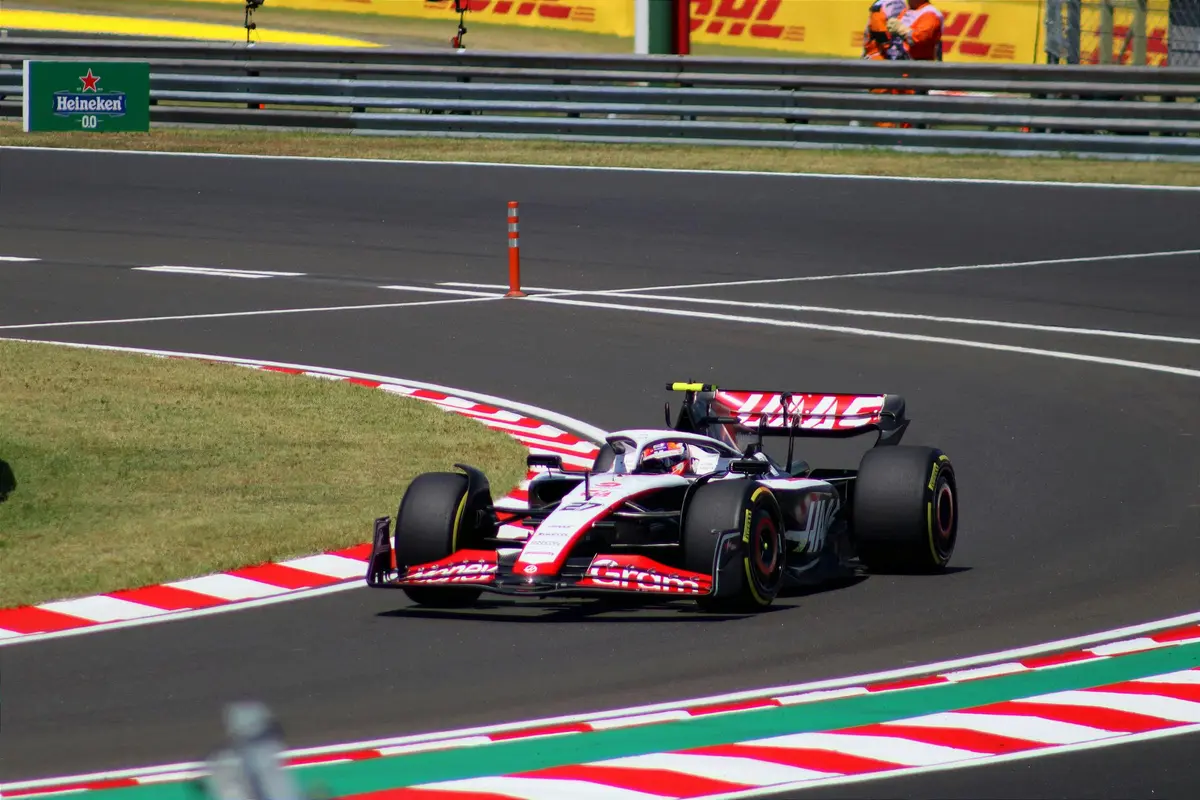
FIA Launches Structured 2026 Rule Review After Bearman's Heavy Japan Crash
The FIA has moved swiftly to address growing safety concerns surrounding the 2026 Formula 1 regulations following Oliver Bearman's heavy crash in Japan. The governing body confirmed that a structured review process is already underway, with multiple meetings scheduled throughout April to assess whether rule adjustments are necessary. For TGR Haas F1, the incident has thrust the team into the center of one of the most significant regulatory debates of the new era — a moment that could shape not just their season, but the future architecture of F1's most ambitious ruleset in decades. The Bearman crash FIA review is now a defining storyline of the 2026 campaign.
Detailed Analysis: What the Bearman Crash Reveals About 2026 Car Safety
Oliver Bearman's heavy crash in Japan was more than an unfortunate racing incident — it was a stress test for the 2026 technical regulations that the entire paddock is now scrutinising closely. The 2026 rules introduced radical changes to car architecture, including sweeping aerodynamic overhauls and a new hybrid power unit philosophy. When a car suffers a significant accident under this new framework, the data gathered is invaluable for engineers and the FIA's technical department alike.
The FIA's decision to confirm a formal, structured review process — rather than a reactive, ad hoc response — signals that the governing body takes the implications seriously. Multiple meetings throughout April suggest a methodical approach: data from Bearman's incident will be cross-referenced with simulation models, structural integrity reports, and driver feedback gathered across the early rounds of the 2026 season. This is not a knee-jerk reaction; it is precisely the kind of evidence-based governance that modern F1 requires.
For TGR Haas F1 specifically, the crash raises important questions about how the team's car behaves at its structural limits. Haas, as a constructor that has historically operated with a lean technical infrastructure compared to the sport's giants, will be relying heavily on the FIA's review process to surface any systemic issues with the 2026 regulations rather than isolated design flaws. If the review determines that regulation-wide changes are needed, it levels the playing field — every team must adapt, and Haas can redirect engineering resources accordingly.
It is also worth noting the broader technical context. The Bearman crash FIA review comes at a time when teams are still understanding the behavior of 2026-spec machinery, which features active aerodynamic systems — moveable aero surfaces that adjust drag and downforce automatically based on speed and driver input — a significant departure from the passive aero of previous generations. Understanding how these systems interact with crash dynamics is a critical part of the April review agenda.
Context: How This Fits Into the 2026 Season Narrative
The 2026 Formula 1 season arrived with enormous expectation. New power unit regulations, revised aerodynamic philosophies, and a recalibrated sporting framework were all designed to compress the competitive field and create closer racing. However, with innovation comes uncertainty, and Bearman's crash in Japan has provided the first major prompt for the FIA to formally interrogate whether the regulations are performing as intended from a safety standpoint.
For TGR Haas F1, 2026 represents a pivotal chapter. With Esteban Ocon and Oliver Bearman forming a young, ambitious driver pairing, the team entered the season with genuine optimism about their competitive trajectory. A significant crash involving one of their drivers this early in the campaign is deeply unwelcome, but the team's constructive engagement with the FIA's review process could ultimately benefit them — both in terms of car safety and potential regulation clarifications that suit their development direction. The Bearman crash FIA review is as much about TGR Haas's future competitiveness as it is about immediate safety.
Key Takeaways
- The FIA has confirmed a structured review of 2026 F1 regulations following Oliver Bearman's heavy crash in Japan, with multiple meetings planned throughout April.
- TGR Haas F1 finds itself at the center of a major regulatory debate that could influence car design and safety standards across the entire grid.
- The review process is methodical and evidence-based, reflecting the FIA's commitment to data-driven governance rather than reactive rule changes.
- Any regulation adjustments arising from the Bearman crash FIA review would apply to all constructors, potentially reshaping the 2026 competitive order.
- The incident highlights the broader challenges teams face in understanding the crash dynamics of 2026-spec cars, particularly those featuring active aerodynamic systems.
Frequently Asked Questions
What impact could the FIA's 2026 rule review have on TGR Haas F1's season?
If the FIA's review leads to regulation adjustments, TGR Haas F1 would need to redirect engineering and development resources to comply with any new directives. Depending on the nature of the changes, this could either disrupt the team's current development roadmap or provide an opportunity to address performance or safety areas that align with their 2026 car's characteristics.
How serious was Oliver Bearman's crash in Japan, and what does it mean for his 2026 campaign with Haas?
The FIA's decision to initiate a formal, structured review process with multiple April meetings underscores the severity with which the governing body is treating the incident. While the source confirms the crash was heavy, the review's outcome will be key in determining whether Bearman and TGR Haas F1 face any immediate car or regulatory constraints going forward in the 2026 season.
Could the FIA's April meetings result in mid-season regulation changes that affect TGR Haas F1?
It is possible. The FIA has confirmed that multiple meetings will take place throughout April as part of a structured review process. Should the data and analysis from those sessions identify systemic issues with the 2026 regulations, targeted rule adjustments could be implemented mid-season — a scenario that would affect all teams, including TGR Haas F1, and could alter the competitive dynamics of the championship.
Conclusion: A Critical April Ahead for Haas and the FIA
The coming weeks represent a defining period for TGR Haas F1 and the 2026 Formula 1 season as a whole. The FIA's structured review, prompted by the Bearman crash FIA review process, will unfold across multiple April meetings, and the conclusions reached could have lasting consequences for how teams design, develop, and race their 2026-spec machinery. For Haas, the priority will be ensuring Bearman and Ocon have a safe, competitive platform as the season progresses. The paddock will be watching April's regulatory discussions very closely indeed.
In this article