F1 2026 Season Halted: Bahrain and Saudi GP Cancellations
The F1 2026 season faces an enforced mid-season pause after both the Bahrain and Saudi Arabian GPs were cancelled due to the Middle East conflict.
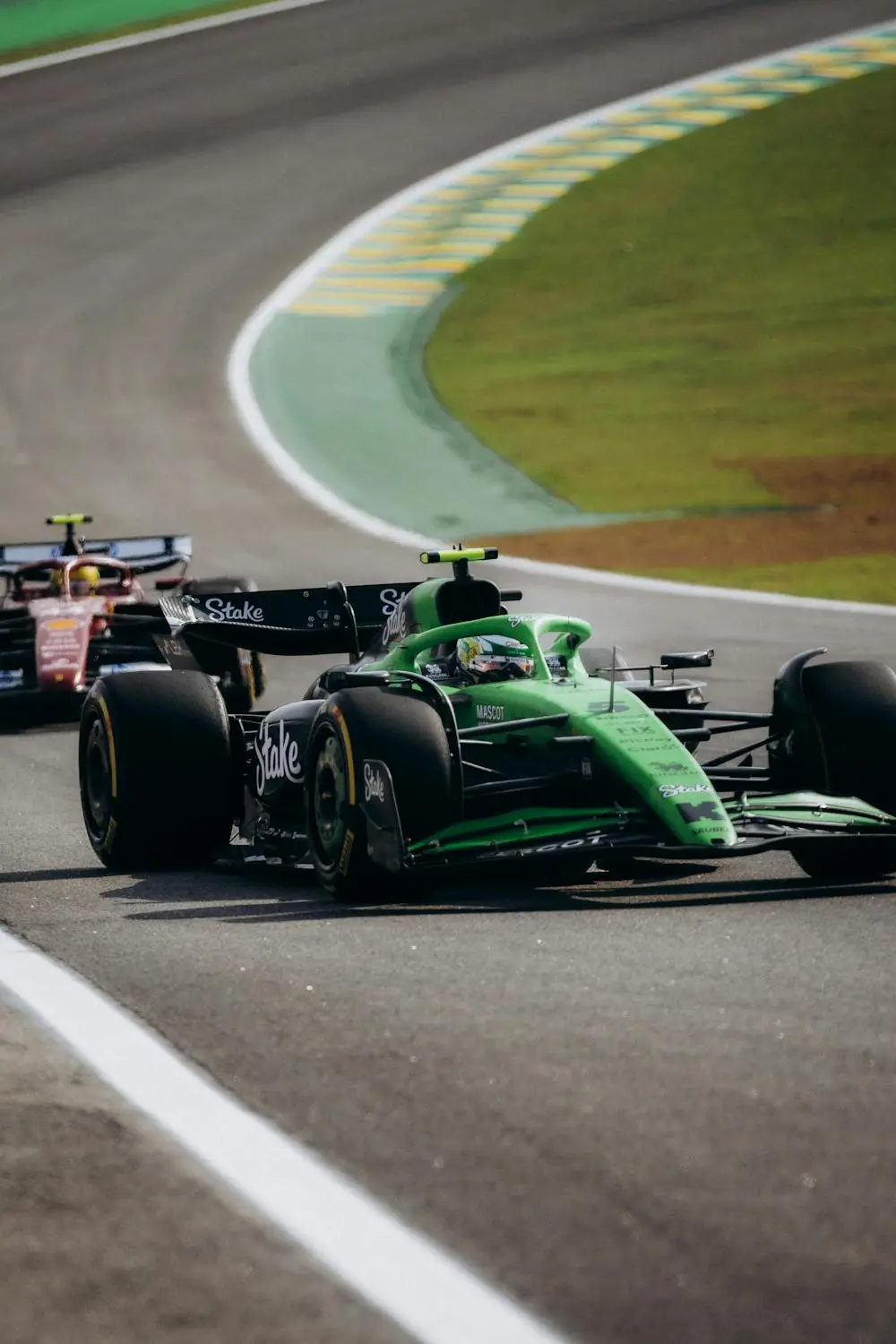
F1 2026 Season Faces Enforced Pause After Middle East Race Cancellations
The F1 2026 season has been dealt a significant and unexpected blow, with both the Bahrain Grand Prix and the Saudi Arabian Grand Prix officially cancelled due to the ongoing conflict in the Middle East. The enforced pause represents one of the most disruptive geopolitical interventions in Formula 1's modern era, stripping the calendar of two consecutive rounds and forcing teams, drivers, and the commercial rights holder to rapidly reassess their plans for the weeks ahead. For a championship already navigating the most technically revolutionary regulation cycle in a generation, the timing could hardly be more consequential.
Detailed Analysis: What the Cancellations Mean for the F1 2026 Season
Losing two Grands Prix in quick succession is not merely a logistical headache — it fundamentally reshapes the competitive landscape of the F1 2026 season. The Bahrain International Circuit and the Jeddah Corniche Circuit are two of the most distinct venues on the calendar, each demanding very different car setups and aerodynamic philosophies. Under the 2026 technical regulations, teams have invested enormous resources into understanding how their cars' Active Aero systems — integrated bodywork that dynamically adjusts drag and downforce levels in real time — perform across both high-downforce and low-drag circuit configurations. The cancellation denies every team two critical data points at exactly the moment when the performance hierarchy is still being established.
From a championship points perspective, the absence of two rounds compresses the title fight into fewer opportunities to gain or lose ground. For teams like McLaren, Ferrari, and Red Bull — each expected to be genuine front-runners in 2026 — every point-scoring opportunity carries amplified weight. The Boost Button, a colloquial term for the 2026 regulations' manually triggered hybrid power deployment mode that allows drivers to call upon a short burst of additional electrical energy, was widely anticipated to play a significant strategic role on Bahrain's mix of high-speed straights and technical sectors. That strategic subplot will now remain untested at this venue.
There is also a commercial dimension that cannot be ignored. Bahrain and Saudi Arabia are not simply race venues — they are anchor relationships between Formula 1 and key Gulf state partners. The cancellations, however necessary given the security situation, represent a rupture in those commercial ties that Formula 1 Management will need to navigate with considerable diplomatic care. Prize money distributions, hosting fee structures, and broadcast arrangements across the affected weekends all become subjects requiring immediate renegotiation and contingency planning.
For the teams themselves, the enforced break arrives at an operationally complex moment. Under the 2026 regulations, cars run a radically altered power unit architecture — a near-equal split between internal combustion and electrical power output — meaning that Manual Override protocols (driver-initiated system resets to manage hybrid unit faults mid-race) were being closely monitored in race conditions. Two fewer races means two fewer live datasets from which engineers can refine reliability maps for these brand-new hybrid systems.
Context: Where the F1 2026 Season Stands
The F1 2026 season launched with enormous anticipation, representing the most sweeping regulation overhaul since 2022. New power unit rules, revised aerodynamic philosophies centred on Active Aero, and a reconfigured Constructor and Driver points structure were all set to be pressure-tested across a packed calendar. The arrival of Cadillac as a new constructor, alongside the rebranded Audi entry, added further intrigue to a grid brimming with compelling storylines — from Lewis Hamilton's debut season at Ferrari to Andrea Kimi Antonelli stepping up at Mercedes and Isack Hadjar partnering Max Verstappen at Red Bull.
Against that backdrop, the enforced hiatus caused by the Middle East conflict injects an unwanted degree of uncertainty. Teams that may have planned to introduce upgrade packages at Bahrain or Saudi Arabia must now recalibrate their development timelines. The rhythm of a Formula 1 season — factory cycles, freight logistics, personnel rotations — is finely tuned, and a two-race gap forces a wholesale reorganisation that carries both financial and competitive costs.
Key Takeaways
- Both the Bahrain Grand Prix and the Saudi Arabian Grand Prix have been cancelled from the F1 2026 season calendar due to the Middle East conflict.
- The cancellations deny all ten constructors critical on-track data at a pivotal early stage of the new 2026 regulation cycle.
- Championship points implications are significant — fewer rounds mean every remaining race carries greater individual weight in the title fight.
- Commercial and diplomatic relationships between Formula 1 and its Gulf state partners face an immediate and complex period of renegotiation.
- Teams planning early-season upgrade introductions at these venues must now revise their development deployment schedules.
Frequently Asked Questions
Why have the Bahrain and Saudi Arabian Grands Prix been cancelled from the F1 2026 season?
Both races have been cancelled due to the ongoing conflict in the Middle East, which has made staging the events at the Bahrain International Circuit and the Jeddah Corniche Circuit untenable from a safety and security standpoint.
How many rounds does the F1 2026 season lose with the Bahrain and Saudi GP cancellations?
The cancellations remove two consecutive rounds from the F1 2026 season calendar, representing a significant reduction in the total number of championship points available to drivers and constructors in what is already a fiercely competitive season.
How will the F1 2026 season championship standings be affected by the missing races?
With two rounds removed, the points gap between title contenders at any given stage of the season becomes more decisive. Teams and drivers have fewer opportunities to recover from early setbacks, meaning that consistency and reliability across every remaining round will be disproportionately rewarded in the final standings.
Conclusion: What Comes Next
As the paddock absorbs the full implications of these cancellations, all eyes will turn to whichever round is now next on the revised F1 2026 season calendar. Teams will use the enforced downtime productively — running simulations, refining hybrid power unit reliability data in controlled environments, and finalising upgrade packages. The human and sporting spirit of Formula 1 has endured disruption before, and the championship will continue. But the absence of Bahrain and Saudi Arabia leaves an undeniable void, both competitively and commercially, that the remainder of the season will need to fill.