Aston Martin F1 2026 Midfield Battle: Can They Compete?
Aston Martin F1 2026 enters a fierce midfield battle as sweeping new regulations reshape the grid. Can Alonso and Stroll rise to the challenge?
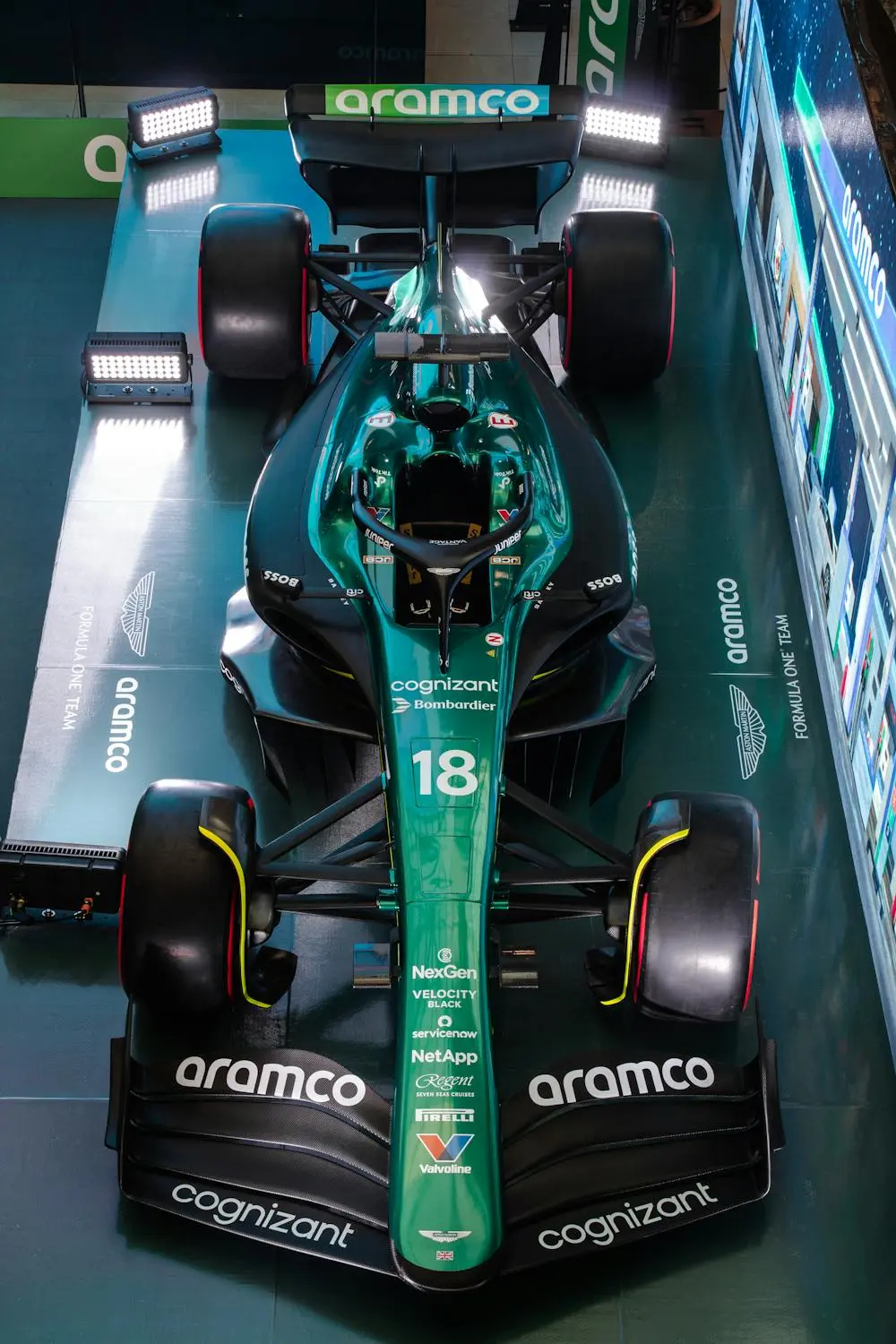
Aston Martin F1 2026: Navigating the Midfield Storm
The 2026 Formula 1 season has arrived with a seismic regulatory overhaul, and nowhere is the pressure felt more acutely than in the midfield. Aston Martin F1 2026 finds itself right at the heart of a ferocious battle for championship points, competing against the likes of Haas, Racing Bulls, and Sauber — a group of teams that spent much of 2025 locked in a season-long war of attrition. As Autosport notes, smaller teams are significantly more vulnerable to a complete regulatory reset, making the 2026 rule changes a potential equaliser or a devastating blow depending on how well each constructor adapted during the winter development cycle.
Detailed Analysis: Why the 2026 Regulations Change Everything
The 2026 technical regulations represent one of the most comprehensive reshaping of Formula 1's rulebook in modern history. New power unit architecture, revised aerodynamic philosophy, and a fundamentally different approach to energy deployment mean that teams with fewer resources face a steeper climb to competitiveness. For Aston Martin, which finished in a hard-fought midfield position through 2025, the question is whether the Silverstone-based outfit has invested wisely enough in understanding and exploiting the new framework.
Fernando Alonso, one of the most technically astute drivers on the grid, is a crucial asset in this respect. His ability to extract maximum performance from a developing car and provide nuanced feedback to engineers is well documented across his storied career. Alongside Lance Stroll, who has shown flashes of genuine pace in recent seasons, Aston Martin has a driver pairing capable of generating meaningful correlation data across a race weekend — an invaluable resource when a team is still learning the limits of a new technical concept.
The 2026 rules introduce what engineers refer to as Active Aero — a system that dynamically adjusts bodywork surfaces to optimise downforce and drag depending on corner type and speed — and a revised Boost Button protocol, which allows drivers to deploy additional electrical energy in defined zones. For a team like Aston Martin, mastering the deployment strategy of the new hybrid architecture could be the decisive factor separating a points finish from a frustrating afternoon outside the top ten.
What makes the Aston Martin situation particularly intriguing is the scale of their infrastructure investment over recent years. The state-of-the-art Silverstone campus was built with the explicit ambition of competing at the very front of the grid. Yet the transition from facility investment to on-track performance is never linear, and a wholesale regulation change can temporarily neutralise hard-won aerodynamic knowledge and reset the development pecking order.
Context: Where Aston Martin Sits in the 2026 Season Narrative
Coming into Aston Martin F1 2026, the team's benchmark is clear: a closely contested 2025 season that saw them locked in battle with Racing Bulls, Haas, and Sauber. That kind of racing — where fractions of a second and a single strategic miscalculation can shift a constructor three places in the standings — is exhausting but also instructive. The Aston Martin engineering group will have accumulated a granular understanding of tyre management, undercut timing, and pit-stop execution under genuine race pressure.
The concern, echoed in the Autosport report framing, is that smaller and mid-sized teams are disproportionately vulnerable when technical regulations change dramatically. Unlike the top-tier constructors who can absorb an initial performance deficit with deeper reserves, a team like Aston Martin must get its fundamental car concept right from the outset. A slow start to 2026 could compound quickly, with rivals iterating faster and pulling away before remedies can be found and homologated into the design.
Key Takeaways
- Regulatory vulnerability: As the source confirms, smaller and mid-tier teams face significantly greater risk during wholesale rule changes — Aston Martin must have executed a strong winter to remain relevant in 2026.
- Driver quality is a buffer: Fernando Alonso's technical intelligence and race craft give Aston Martin a crucial edge in extracting performance from an evolving package early in the season.
- Infrastructure vs. results gap: Aston Martin's world-class Silverstone facilities are an asset, but translating that resource into lap time under new regulations takes time and precise execution.
- Midfield is brutally competitive: With Haas, Racing Bulls, Sauber, and others all targeting the same points, every tenth of a second and every strategic decision carries championship weight for Aston Martin F1 2026.
Frequently Asked Questions
How did Aston Martin perform in the 2025 F1 season?
Aston Martin spent the 2025 season engaged in a close midfield battle with Racing Bulls, Haas, and Sauber, ultimately finishing in a competitive but not dominant position within the constructor standings. The experience provided valuable race craft and strategic data heading into the 2026 regulation cycle.
How do the 2026 F1 regulations affect Aston Martin's chances?
The sweeping 2026 technical overhaul — encompassing new power unit architecture, Active Aero systems, and revised energy deployment protocols — presents both opportunity and risk for Aston Martin. Teams with fewer resources are more exposed to a poor initial concept, meaning the Silverstone outfit's winter development decisions will have long-lasting consequences throughout the season.
Can Fernando Alonso help Aston Martin F1 2026 beat the midfield rivals?
Absolutely. Alonso's exceptional technical feedback capability and race-craft intelligence make him one of the most valuable assets a developing team can have during a regulatory transition. His ability to maximise an imperfect car and guide the engineering group toward targeted upgrades could prove decisive in Aston Martin's midfield championship fight.
Conclusion: A Season-Defining Moment for Aston Martin
The 2026 Formula 1 season represents a genuine fork in the road for Aston Martin. The combination of ruthless midfield competition, transformative technical regulations, and the ever-present pressure to justify significant infrastructure investment creates a high-stakes environment where every race weekend carries outsized importance. Aston Martin F1 2026 has the drivers, the facilities, and the institutional knowledge to be a genuine force in the midfield — but execution will be everything. Watch closely in the opening rounds: the early data will tell us whether this team is on an upward trajectory or facing another year of scrapping for every point.