Antonelli Leads F1 2026: Mercedes' Unpredictable Start
Antonelli leads the 2026 F1 drivers' standings after two wins from three races — Toto Wolff calls Mercedes' stunning start 'unpredictable'.
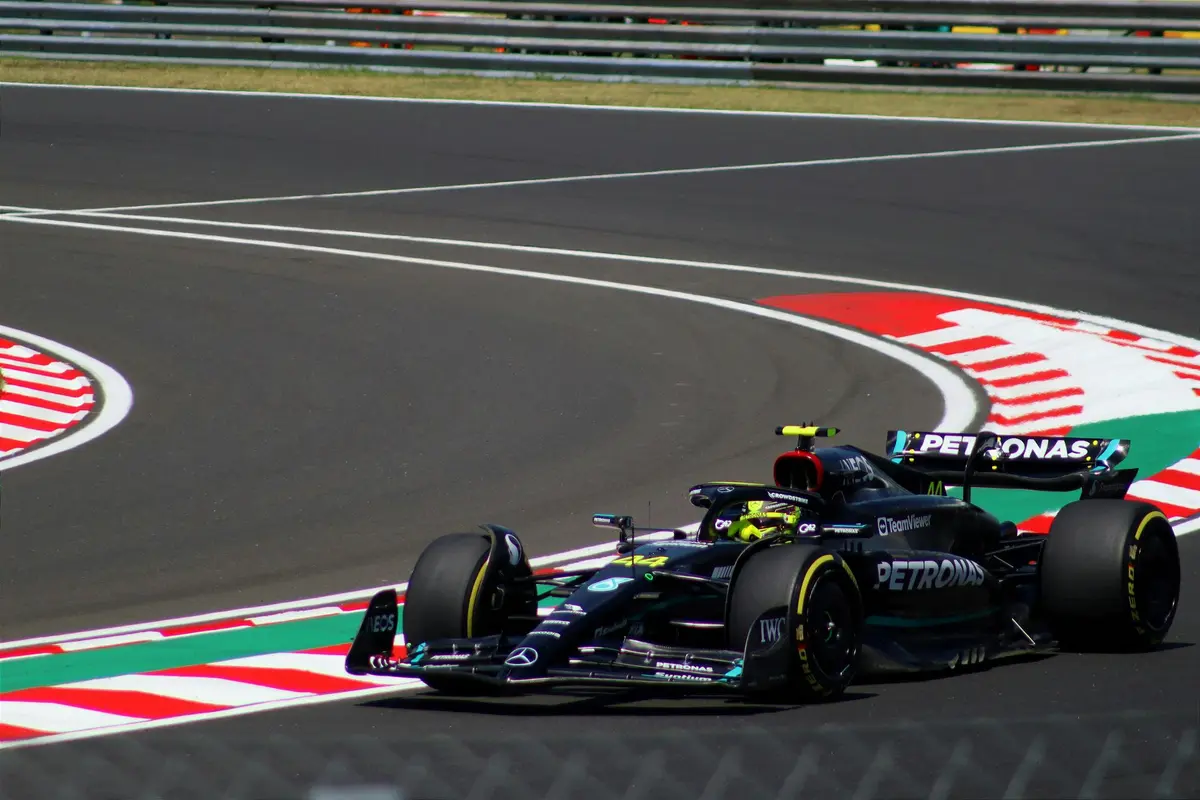
Mercedes F1 2026: The Rise Nobody Predicted
In one of the most startling storylines of the early 2026 Formula 1 season, Andrea Kimi Antonelli has emerged as the championship leader after winning two of the first three grands prix. Mercedes team principal Toto Wolff himself has described the outcome as 'unpredictable' — a remarkable admission from one of the most strategically astute minds in the paddock. For a team that knew it was handing the keys of a works Mercedes to a teenager, even internal expectations appear to have been surpassed. The Mercedes F1 2026 campaign has begun in a fashion that few analysts, bookmakers, or rival teams could have forecast heading into the new season.
Detailed Analysis: What Antonelli's Early Dominance Means
Two Wins From Three Races — The Numbers in Context
Winning two of the first three races of a Formula 1 season is a statement of intent regardless of who is behind the wheel. For Antonelli — a driver who only graduated to the full-time Mercedes F1 seat for 2026 — it represents a seismic shift in the competitive order. The Mercedes F1 2026 package has clearly delivered a car capable of fighting at the very front, but what elevates this story is that it is the younger of the two Silver Arrows drivers leading the charge, not a seasoned campaigner.
Toto Wolff's use of the word 'unpredictable' is telling. In the high-stakes world of Formula 1, team principals rarely concede surprise publicly, as it can undermine the perception of planning and preparation. Wolff's candour suggests that while Mercedes knew Antonelli had exceptional raw speed — evident from his junior career and strong practice showings — converting that pace into grand prix victories this early was beyond even the team's internal modelling. It speaks volumes about both the driver's maturity under pressure and the competitiveness of the Mercedes W16 or its 2026-specification successor.
The Technical Dimension: Mercedes' 2026 Regulatory Advantage
The 2026 season introduced sweeping regulatory changes, including revised aerodynamic philosophies and new power unit regulations. The 2026 technical framework places a premium on energy deployment and aerodynamic efficiency — areas where Mercedes has historically excelled. The new regulations also feature 'Active Aero' systems (moveable aerodynamic surfaces that automatically adjust drag and downforce levels depending on circuit sector), which reward engineers who can optimise software-hardware integration. Mercedes' deep expertise in hybrid systems and computational engineering may have given Antonelli a fundamentally superior tool, amplifying his natural talent into race-winning results.
George Russell's Role in the Equation
It is also worth examining the dynamic between Antonelli and his teammate George Russell. Russell, a seasoned and highly respected grand prix driver, provides an invaluable internal benchmark. The fact that Antonelli is outperforming or at minimum matching Russell across the opening three rounds signals that this is not merely a car story — the young Italian is delivering on a personal level too. Intra-team dynamics at Mercedes F1 will be one of the most compelling sub-plots of the 2026 season.
Context: How This Fits the 2026 Season Narrative
The 2026 Formula 1 season was always expected to be defined by uncertainty. A new technical era, reshuffled driver lineups across the grid — including Lewis Hamilton's headline move to Ferrari — and fresh constructor entrants like Cadillac and Audi all contributed to a sense of upheaval. In that context, the Mercedes F1 2026 story is both surprising and fitting. The Silver Arrows have a long history of thriving when regulations reset, having dominated the hybrid era from 2014 onwards. That Antonelli, rather than a veteran, is the figurehead of their latest renaissance adds an entirely new dimension to the narrative. It also places enormous pressure on rivals like Ferrari's Charles Leclerc and Lewis Hamilton pairing, as well as Max Verstappen's Red Bull, to respond before the championship gap becomes insurmountable.
Key Takeaways
- Antonelli leads the 2026 drivers' championship after winning two of the first three grands prix, making him the most surprising championship leader in recent F1 history.
- Toto Wolff called the outcome 'unpredictable', a rare public acknowledgement from the Mercedes team principal that the results have exceeded even internal expectations.
- Mercedes F1 2026 appears to have optimised for the new regulations, potentially leveraging their expertise in active aerodynamics and hybrid energy deployment to build a race-winning platform.
- The intra-team dynamic between Antonelli and Russell will be one of the defining narratives of the season, with the younger driver currently holding the upper hand.
Frequently Asked Questions
How has Mercedes F1 performed in the 2026 season so far?
Mercedes F1 has made an exceptional start to the 2026 season, with Andrea Kimi Antonelli winning two of the first three grands prix and leading the drivers' championship. Team principal Toto Wolff has described the team's early-season performance as 'unpredictable', suggesting results have surpassed internal forecasts.
Why did Toto Wolff describe Mercedes' 2026 start as 'unpredictable'?
Toto Wolff's use of the term reflects genuine surprise at how quickly Antonelli has converted his raw pace into race victories. While Mercedes expected to be competitive under the 2026 regulations, winning two of the first three races through their rookie-era driver exceeded the team's own projections, making 'unpredictable' an honest and candid assessment from the team principal.
What role do the 2026 regulations play in Mercedes F1's early success?
The 2026 technical regulations introduced significant changes, including Active Aero systems and revised power unit structures that reward energy deployment expertise — a traditional strength of Mercedes F1. The team's engineering depth in hybrid and software integration may have allowed them to extract performance advantages early in the regulatory cycle, as they famously did at the dawn of the hybrid era in 2014.
Conclusion: Can Anyone Stop Mercedes F1 in 2026?
With Antonelli sitting atop the drivers' standings and Mercedes F1 demonstrating a potentially superior package in the early rounds of the 2026 season, the burden now falls on the rest of the grid. Ferrari — with the star-studded lineup of Leclerc and Hamilton — Red Bull's Verstappen, and McLaren's Norris and Piastri will all need to find answers quickly. The Mercedes F1 2026 narrative is only three races old, but it is already one of the most compelling stories in the sport. Whether this dominance is sustained or challenged will define the entire championship season ahead.