Antonelli Japanese GP Win Cements Mercedes Revival
Antonelli backs up his maiden win with a dominant Japanese GP victory, accelerating Mercedes' 2026 title charge and signalling a Silver Arrows resurgence.
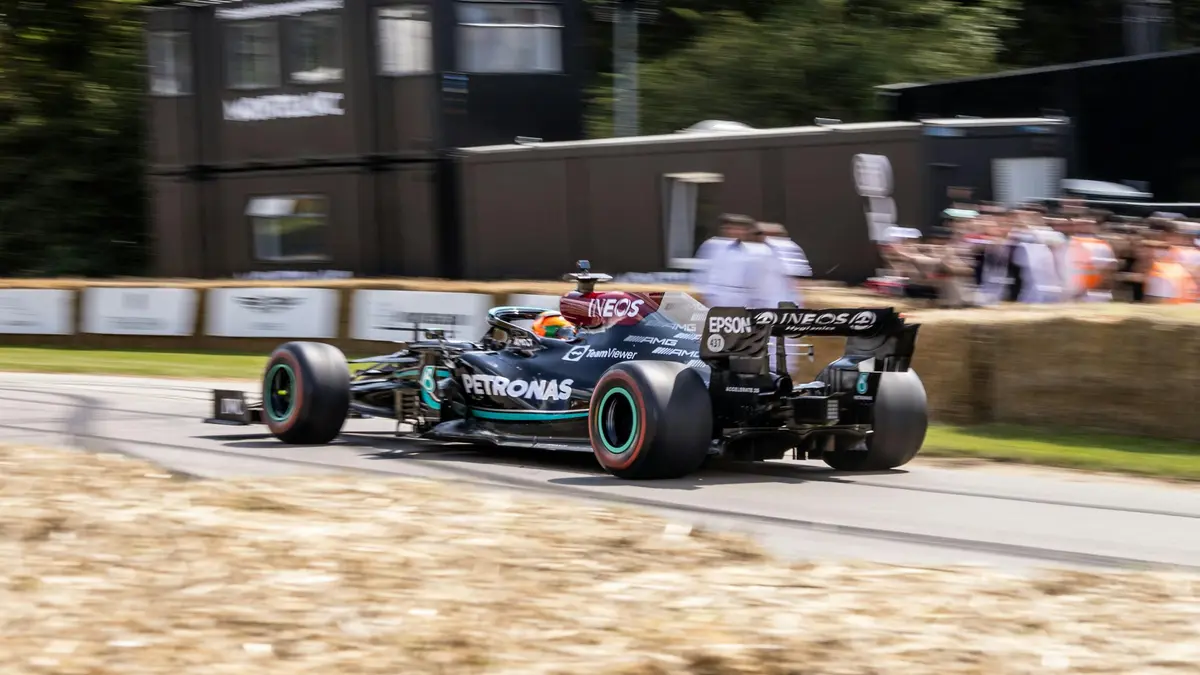
Antonelli Delivers Back-to-Back Wins for Mercedes at the Japanese Grand Prix
Andrea Kimi Antonelli's Formula 1 education is moving at a breathtaking pace. Just two weeks after claiming his maiden Grand Prix victory, the Mercedes rookie returned to the top step of the podium with a composed, opportunistic, and ultimately dominant performance at the Japanese Grand Prix. The result was not merely a replication of his first win — it was a statement. Antonelli demonstrated raw speed, strategic intelligence, and the kind of racecraft that takes most drivers years to develop. For Mercedes, this is the moment the entire paddock has been waiting for: a genuine championship contender emerging from within their own ranks.
Detailed Analysis: What Made Antonelli's Japanese GP Win So Impressive?
The word that stands out most in any assessment of Antonelli's Japanese GP win is composed. Rookie drivers — even supremely talented ones — often struggle when pressure mounts in the closing stages of a Grand Prix. Tire management, traffic, safety car restarts, and the psychological weight of leading a race can expose weaknesses that pure qualifying pace cannot. The fact that Antonelli not only led but dominated at a circuit as technically demanding as Suzuka speaks volumes about the progress he has made since stepping into the Mercedes seat vacated by the departed seven-time champion era.
The description of his drive as opportunistic is equally significant. In modern Formula 1, race victories are rarely handed to the fastest car alone — they are constructed through strategic awareness, the ability to read a race in real time, and decisive action when windows open. Antonelli's capacity to identify and exploit those windows, just weeks into his first full F1 season, suggests a level of racing intelligence that goes far beyond his years.
From a technical perspective, the 2026 regulations have placed an enormous premium on energy management and chassis balance, particularly with the new active aerodynamic systems — which automatically adjust bodywork angles to optimize downforce and drag depending on circuit sector — now fully embedded into race strategy. Suzuka's combination of high-speed corners and technical chicanes makes it one of the most demanding circuits on the calendar for these systems. A rookie mastering that environment in just his second win is a remarkable achievement.
Mercedes' strategy department will also deserve credit. The team has been rebuilding its operational confidence after a turbulent transitional season, and backing Antonelli with sharp pit wall decisions will have been as critical as the pace the young Italian extracted from the W16. The synergy between driver and team appears to be developing faster than even the most optimistic projections suggested at the season's outset.
Context: Where Does This Fit in the 2026 Season Narrative?
The Antonelli Japanese GP win takes on even greater significance when viewed through the lens of the wider 2026 championship battle. McLaren, with Lando Norris and Oscar Piastri, entered the season as many experts' favourites given their 2025 constructors' momentum. Ferrari's combination of Charles Leclerc and Lewis Hamilton — a partnership that generated enormous pre-season headlines — was expected to challenge immediately. Red Bull, with Max Verstappen still at the helm alongside rookie Isack Hadjar, remain a constant threat.
Yet it is Mercedes who appear to be making the most striking early narrative. Two consecutive wins for Antonelli means the Silver Arrows are accumulating points at a championship-relevant rate. More importantly, it signals that Mercedes' 2026 car concept — built around the new technical regulations — may be fundamentally well-suited to a variety of circuit types. If that proves true across a full season, the championship conversation shifts dramatically in their favour.
Key Takeaways
- Back-to-back victories: Antonelli has now won two consecutive Grands Prix, making him one of the most in-form drivers on the 2026 grid regardless of experience level.
- Dominant at Suzuka: His Japanese GP win was described as ultimately dominant, suggesting Mercedes had a genuine pace advantage on race day — not just a strategic fortunate outcome.
- Racecraft development: The composure and opportunism highlighted in his performance indicate Antonelli is developing the full skill set of a championship-calibre driver at an extraordinary rate.
- Mercedes resurgence: Two wins in the opening phase of the 2026 season positions Mercedes as a credible title contender, challenging the pre-season narratives that favoured McLaren and Ferrari.
Frequently Asked Questions
How has Mercedes prepared Antonelli for back-to-back Formula 1 wins in 2026?
Mercedes invested heavily in Antonelli's development through their junior programme, including Formula 2 and extensive simulator work. His integration into the team's technical debrief culture and race strategy processes appears to be paying dividends rapidly, with the team's pit wall decisions complementing his natural pace and growing racecraft awareness on Sundays.
What does Antonelli's Japanese GP win mean for Mercedes' 2026 constructors' championship chances?
Two consecutive wins for Antonelli puts Mercedes in a strong early position in the 2026 constructors' standings. If the W16's pace translates across different circuit characteristics throughout the season, Mercedes could mount a sustained title challenge against McLaren, Ferrari, and Red Bull — making them the sport's most compelling storyline of the year.
Is Antonelli the youngest Mercedes driver to win two consecutive Formula 1 Grands Prix?
Based on available information, Antonelli securing back-to-back victories so early in his debut F1 season would represent one of the most accelerated starts to a Grand Prix career in the modern era, underlining why Mercedes identified him as a generational talent worthy of their senior race seat for 2026.
Conclusion: A Season-Defining Moment for Mercedes F1
Andrea Kimi Antonelli's Japanese Grand Prix victory is more than a headline — it is a season-defining data point. Two wins from what appears to be the early phase of 2026 confirms that Mercedes have not merely replaced a legend; they may have unearthed the next one. The challenge now is consistency. The coming races will test whether the W16's strengths are circuit-specific or truly universal. But on current evidence, both Antonelli and Mercedes are operating at a level that demands the full respect and attention of every team on the grid. The Silver Arrows are back.