Alpine Refutes Colapinto Sabotage Claims in Open Letter
Alpine has published a rare open letter denying 'completely unfounded' fan allegations that the team has been sabotaging Franco Colapinto's 2026 car.
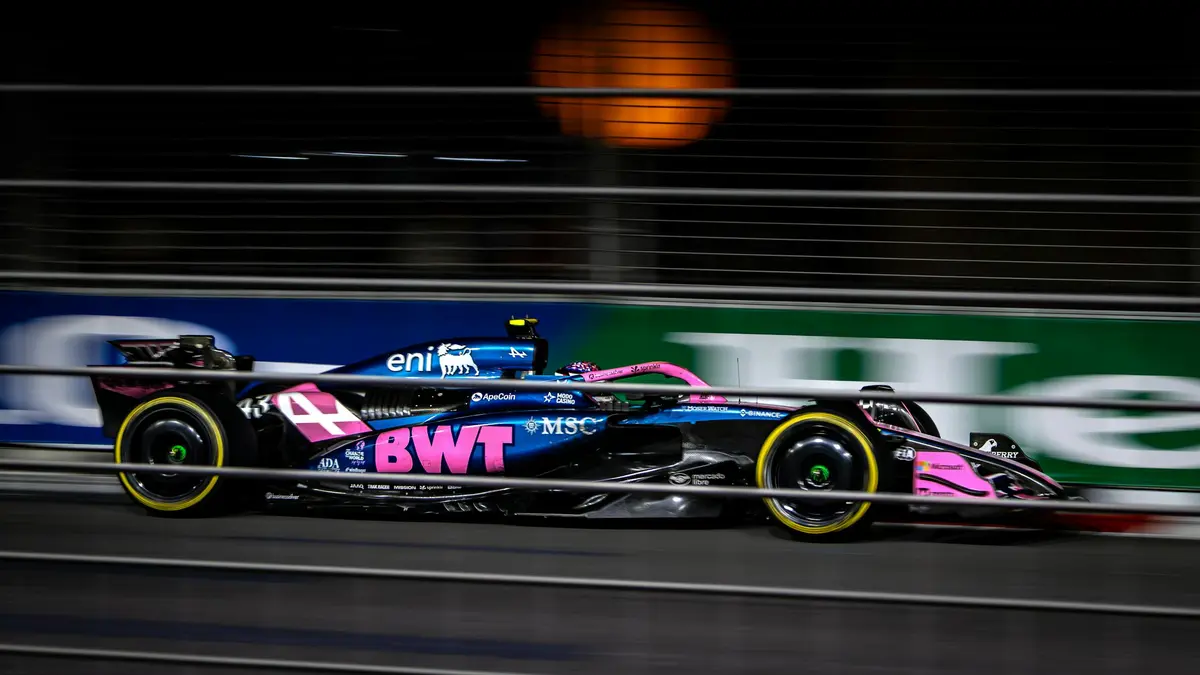
Alpine Denies Colapinto Sabotage Allegations in Unprecedented Open Letter
In a remarkable and highly unusual move that has sent shockwaves through the Formula 1 paddock, BWT Alpine F1 Team has published a formal open letter publicly refuting what the team describes as "completely unfounded" allegations circulating among sections of their fanbase. The accusations, which have gained traction on social media, claim that Alpine has been deliberately sabotaging the car and competitive opportunities of their Argentinian driver, Franco Colapinto. The team's decision to respond via an open letter — a rare step for any Formula 1 constructor — underlines just how seriously Alpine is taking these claims, and raises important questions about team dynamics, driver politics, and the growing power of fan communities in the modern era of the sport.
Detailed Analysis: What the Alpine Open Letter Really Means
The Alpine open letter is a significant document not simply for what it says, but for the fact that it exists at all. Formula 1 teams operate in one of sport's most intensely competitive and secretive environments. Publicly addressing fan-driven conspiracy theories is almost without precedent, and the decision to do so signals that the volume and intensity of the Colapinto sabotage allegations had reached a level that Alpine's communications team felt could no longer be ignored.
Franco Colapinto joined Alpine for the 2026 season after a series of impressive performances that established him as one of the most exciting young talents on the grid. As an Argentinian driver, he carries enormous expectations from a passionate South American fanbase that has waited decades for a competitive representative at the top level of motorsport. That passionate support base, while a tremendous asset for Alpine's global marketing reach, has also proven to be a double-edged sword. When results have not matched expectations, a vocal segment of that community has turned its frustration toward the team itself, alleging intentional interference with Colapinto's machinery or strategic decisions.
From a technical standpoint, it is worth noting that in 2026, Formula 1 cars operate under a radically overhauled regulatory framework featuring fully active aerodynamics — a system where aerodynamic surfaces adjust dynamically in real time to optimise downforce and drag across all circuit configurations. Under this architecture, any perceived anomaly in car balance or performance can appear suspicious to an untrained eye, even when straightforward engineering trade-offs are the actual explanation. Alpine's open letter likely serves, in part, to educate their own fanbase about the complexity of these systems and why performance variations between teammates are a normal feature of elite motorsport.
The Alpine open letter also raises questions about team strategy surrounding Colapinto versus teammate Pierre Gasly. In any two-car team, strategic prioritisation is inevitable at certain points in a season. Whether pit stop timing, tyre allocation philosophy, or development token deployment — decisions are made that will benefit one driver's race more than another's in any given weekend. Critics may interpret these as deliberate sabotage; engineers and strategists understand them as calculated, data-driven choices. Alpine's public statement is, at its core, an attempt to reframe that narrative before it does lasting reputational damage.
Context: The 2026 Season Narrative and Alpine's Position
The 2026 Formula 1 season has already proven to be one of transformation and pressure across the entire grid as teams adapt to the new technical regulations. For Alpine specifically, the stakes are extraordinarily high. The French-owned constructor is under sustained pressure to demonstrate that its long-term investment in infrastructure, power unit development, and driver talent is bearing fruit. Colapinto's arrival was positioned as a statement of intent — a young, fast, marketable driver paired with the experienced Pierre Gasly to form a balanced and commercially compelling lineup.
The Alpine sabotage controversy, however unfounded, arrives at a sensitive moment. Teams navigating the 2026 regulations cannot afford internal distractions, and managing the perception battle in the court of public opinion is a resource cost that no constructor welcomes. The open letter approach suggests Alpine's leadership believes transparency is the most effective tool to neutralise the narrative. It is a calculated communications strategy as much as it is a defence of their engineering integrity.
Key Takeaways
- Alpine has taken the extraordinary step of publishing an open letter to directly refute "completely unfounded" fan allegations of sabotaging Franco Colapinto's car and competitive opportunities in the 2026 season.
- The Alpine open letter is virtually unprecedented in Formula 1, highlighting the growing influence and potential disruptiveness of social media-driven fan communities on team operations and public relations.
- Performance variations between teammates in 2026 are often rooted in the complexity of the new active aerodynamics regulations, and are not indicative of deliberate interference.
- The controversy poses a reputational and operational risk to Alpine at a critical stage of the 2026 season, and the team's transparent response represents a calculated effort to manage that risk proactively.
Frequently Asked Questions
Why did Alpine publish an open letter about Franco Colapinto sabotage allegations?
Alpine published the open letter because fan allegations that the team was deliberately sabotaging Franco Colapinto's car and race opportunities had grown sufficiently widespread on social media to pose a genuine reputational risk. The team judged that a public, transparent response was necessary to protect both its engineering credibility and its relationship with Colapinto's passionate fanbase.
Is there any evidence that Alpine has been sabotaging Franco Colapinto's 2026 car?
According to Alpine's own public statement, the allegations are described as "completely unfounded." No credible technical evidence has been presented to support the sabotage claims. Performance differentials between teammates in the complex 2026 regulatory era are widely understood within the sport to be a product of engineering decisions, tyre strategies, and setup trade-offs rather than deliberate interference.
How does the Alpine Colapinto controversy affect the team's 2026 season prospects?
The Alpine Colapinto controversy introduces an unwanted distraction at a critical point in the 2026 season. Managing public relations battles consumes communications resources and can affect team morale if allowed to escalate. However, Alpine's proactive response via an open letter suggests the team is determined to contain the narrative quickly and refocus attention on on-track performance and development.
Conclusion: Alpine Must Let Performance Do the Talking
The publication of Alpine's open letter is a defining moment in the team's 2026 campaign — not for what it reveals about car performance, but for what it exposes about the evolving relationship between Formula 1 teams and their global fanbases. Social media has democratised opinion but also amplified misinformation, and Alpine finds itself navigating that reality in real time. Ultimately, the most powerful rebuttal available to the team is not words on a page but competitive results on track. If Franco Colapinto and Pierre Gasly can deliver strong performances in the races ahead, the sabotage narrative will fade. Alpine's priority must be ensuring their machinery gives both drivers every opportunity to do exactly that.
In this article