F1 2026 Rules: Power Over Aero in the Dirty Air Battle
F1 2026 rules pivot from aero to power units to solve the dirty air crisis. Discover how Manual Override and Active Aero are changing the 2026 grid.
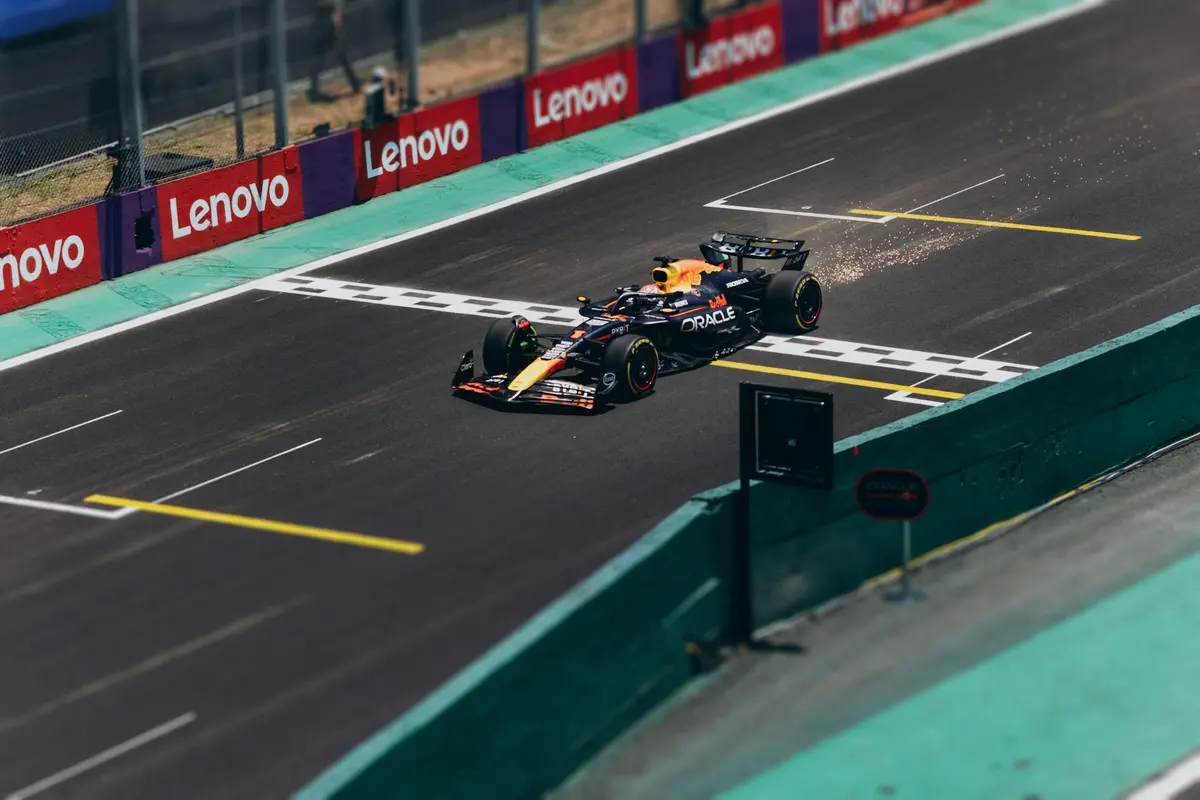
The Evolution of the F1 2026 Rules: A Paradigm Shift
As we settle into the opening stages of the 2026 Formula 1 season, the technical landscape has undergone its most radical transformation in decades. For years, the FIA and Formula 1 management have chased the elusive goal of eliminating "dirty air"—the turbulent wake left by a leading car that robs the following car of downforce. While the 2022 ground-effect regulations made significant strides, the F1 2026 rules represent a fundamental admission: aerodynamics alone cannot solve the laws of physics. As of Wednesday, March 25, 2026, the paddock consensus is clear: the battle for supremacy has shifted from the wind tunnel to the high-voltage laboratory.
The core of this shift lies in the realization that fast cars will inherently create turbulent wakes. No matter how sophisticated the underfloor tunnels or wing profiles are, pushing air at 200mph will always leave a mess for the driver behind. Consequently, the F1 2026 rules have pivoted. Rather than trying to make the air "cleaner," the regulations now focus on giving the following car the mechanical and electrical tools to overcome the aerodynamic deficit. This is a move from passive aero-solutions to active power-management strategies.
The Aerodynamic Wall and the Power Solution
Detailed analysis of the early 2026 performance data suggests that the aerodynamic efficiency of the current grid—featuring heavyweights like Ferrari’s Lewis Hamilton and Red Bull’s Max Verstappen—has hit a natural ceiling. The turbulent wake remains a factor, but the 2026 technical package compensates for this through the new Power Unit (PU) regulations. The 2026 PU features a near 50/50 split between internal combustion and electrical power, providing a massive 350kW from the ERS (Energy Recovery System).
To understand why this matters, we must look at the Manual Override mode. Manual Override is a 2026 technical feature that allows a following driver to access an additional burst of electrical energy once they are within a specific distance of the car ahead, effectively acting as an electronic slipstream. By shifting the focus to power delivery, F1 has created a system where the "dirty air" penalty is offset by a "power boost" advantage. This ensures that even if Oscar Piastri or George Russell find themselves stuck in a wake, they have the tactical tools to pull alongside on the straights.
Active Aero: The Secondary Pillar
Complementing the power shift is the introduction of Active Aero. Active Aero refers to the movable front and rear wings that switch between high-downforce (Z-mode) for cornering and low-drag (X-mode) for straights. Under the F1 2026 rules, these systems work in tandem with the power unit to minimize the impact of the car's wake. When a car like the McLaren MCL41 follows another, it can now adjust its aerodynamic profile in real-time to mitigate the loss of front-end grip, while simultaneously deploying its Manual Override boost.
Context: The 2026 Narrative and the Grid
This technical pivot has completely reshaped the competitive order. Red Bull, now fielding Max Verstappen alongside the young Isack Hadjar, has had to adapt its philosophy from the aero-dominant years of Adrian Newey (who is now spearheading Aston Martin’s charge with Fernando Alonso). Meanwhile, the entry of Audi with Nico Hülkenberg and Gabriel Bortoleto, and Cadillac with Sergio Pérez and Valtteri Bottas, has introduced new perspectives on power unit integration. These manufacturers aren't just building engines; they are building energy management systems designed to exploit the F1 2026 rules to their fullest extent.
The narrative of the 2026 season is no longer just about who has the best floor; it’s about who manages their battery deployment most effectively over a race distance. Ferrari’s Frédéric Vasseur has noted that the synergy between Charles Leclerc and Lewis Hamilton has been vital in refining their energy recovery maps, proving that driver input is more critical than ever in this high-tech era.
Key Takeaways from the 2026 Technical Shift
- Aero Limitations: F1 has acknowledged that turbulent wakes are an unavoidable byproduct of high-speed racing cars.
- Power as a Tool: The 2026 regulations use electrical deployment (Manual Override) to compensate for aerodynamic losses in dirty air.
- Active Systems: The move to X-mode and Z-mode aerodynamics allows cars to shed drag on straights, reducing the reliance on a clean air stream for top speed.
- Manufacturer Influence: The shift to power-centric rules has increased the importance of works teams like Audi, Cadillac, and Mercedes.
Frequently Asked Questions
How do the F1 2026 rules address the issue of dirty air?
The F1 2026 rules address dirty air by providing the following car with a "Manual Override" power boost and active aerodynamic adjustments (X-mode) to compensate for the loss of downforce and drag-reduction needs when trailing another car.
Why is the power unit more important than aerodynamics in the F1 2026 rules?
The power unit has become central because aerodynamic designs reached a point of diminishing returns in solving the wake problem. By utilizing a 50/50 electrical-to-combustion power split, the 2026 rules allow for tactical energy deployment to facilitate overtaking regardless of the air quality behind a lead car.
What role does the Manual Override play in the F1 2026 rules?
Manual Override is a specific energy deployment mode designed to aid overtaking. It allows a chasing driver to use extra electrical energy at high speeds, providing a performance delta that helps overcome the aerodynamic disadvantage of following in a turbulent wake.
Conclusion: A New Era of Tactical Racing
As we look toward the upcoming sessions of this 2026 season, it is clear that the "dirty air" problem hasn't been deleted—it has been managed. The F1 2026 rules have successfully moved the sport into a phase where technical ingenuity is measured by energy efficiency and tactical deployment. Whether it is the veteran Fernando Alonso at Aston Martin or the rookie Arvid Lindblad at Racing Bulls, every driver on the grid must now be a master of both the steering wheel and the battery harvest. The era of aero-dominance is over; the era of the intelligent power unit has truly begun.